



















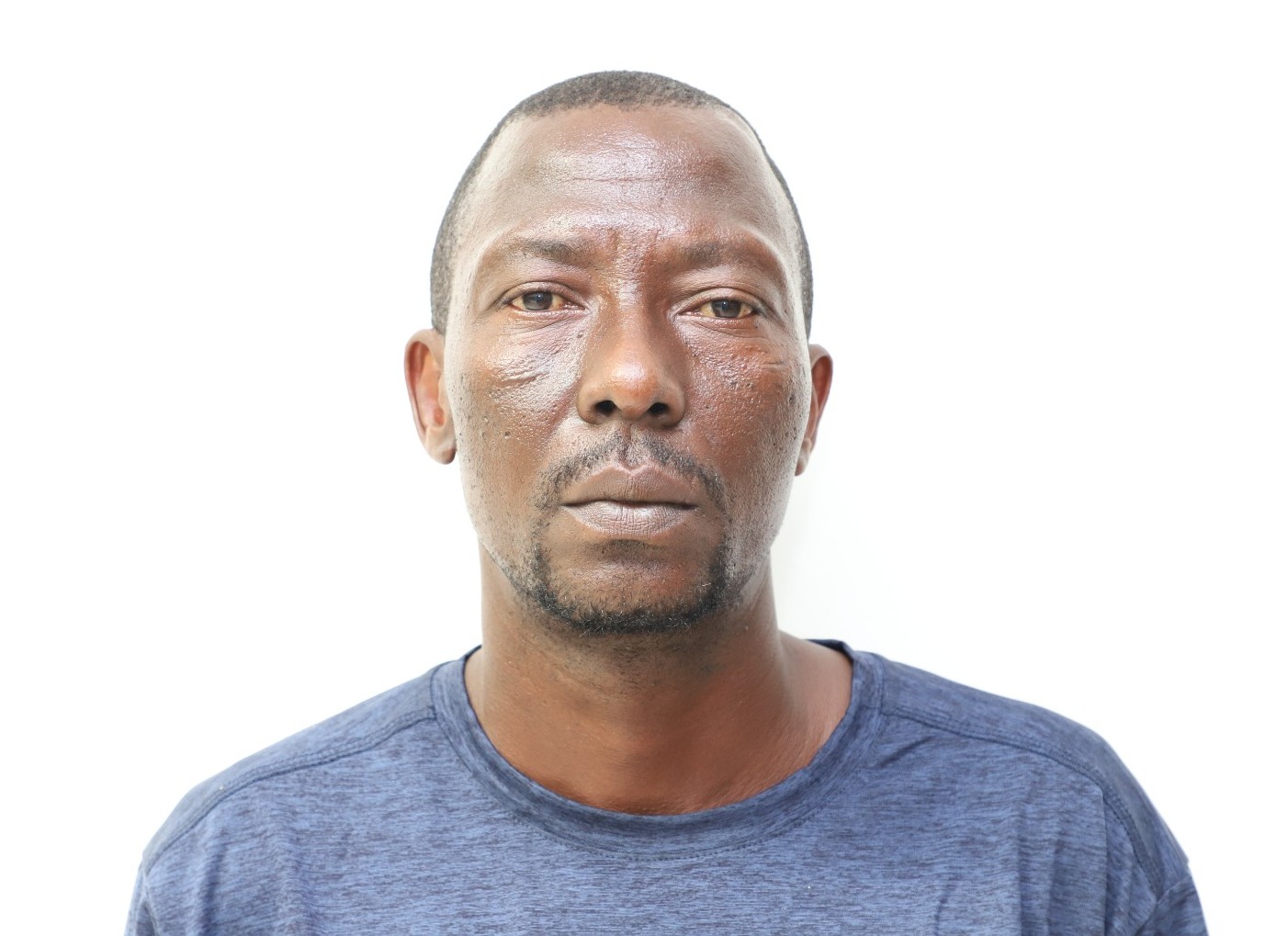
There was a time when Mzee Juma had come to regard drug dens as home.
Heroin was not simply a substance he used. It was part of the environment in which he lived, surrounded by people he considered brothers and sisters and where drugs could be obtained even when he had no money.
For Juma, leaving that life would require more than simply stopping drug use.
It meant entering an unfamiliar environment, accepting discipline, learning to open up, confronting the years he felt he had lost and eventually finding a reason to rebuild his relationship with his family and society.
His journey took him to the Reachout Centre Trust Drug Dependence Treatment Centre (RDDTC) in Likoni, where he underwent four months of treatment, psychosocial support, religious nourishment and reintegration.
“It is not an easy journey, since you are in a totally different environment with people you do not know and who you will live with like brothers,” Juma recalls.
“Remember, I was used to living in drug dens. That is where I called home, where I would get drugs whether I had money or not. We always lived like brothers and sisters, so if you did not have money, you would be assisted with heroin so that you ‘feel good’.”
The contrast between his former life and rehabilitation was immediate.
At the centre, the environment was deliberately structured around recovery.
“There are completely no drugs,” he says.
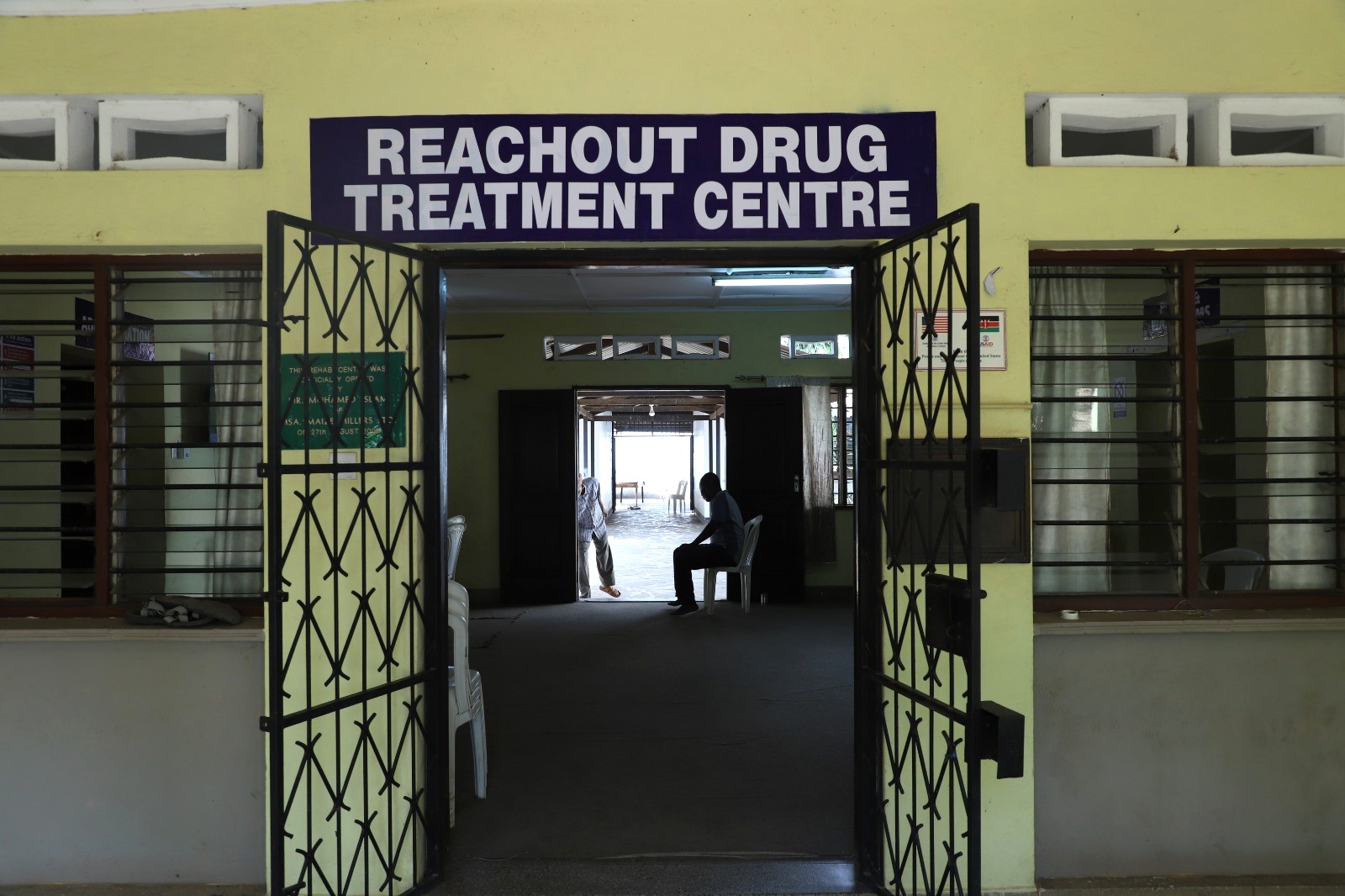
[The Reachout Drug Dependence Treatment Centre (RDDTC), at Kona ya Mtongwe in Likoni Sub County, Mombasa. Photo/Joseph Ngala/Sept’ 14, 2026].
Instead, residents cook their own food, attend treatment, observe time, exercise, sleep according to schedule, engage with one another and are encouraged to open up about their experiences.
“All rehabilitation rules must be followed and there is no excuse. The good thing is that the doctors and counsellors are always listening to you.”
For Juma, that combination of discipline and support became part of the process of finding himself again.
“It is through such perseverance that I am now a completely healed responsible person,” he says.
Today, Juma is a family man, dedicated to his family and society. His recovery has also taken another significant turn: he is working with Reachout Centre Trust, helping other people attempting to rebuild lives once entangled in drugs and substance abuse.
His story offers a window into one of the most difficult realities of drug dependence treatment.
Getting a person away from drugs may be only the beginning. Helping them build a life worth returning to is the greater challenge.
For Reachout Centre Trust Executive Director Taib Abdulrahman, this is why treatment cannot be left to chance.
The organisation’s priority, he says, is to ensure people admitted to its Drug Dependence Treatment Centre follow the appropriate treatment process and are supported towards successful recovery.
Abdulrahman acknowledges that the centre operates under strict rules, but argues that the restrictions are intended to protect the treatment environment and the people undergoing recovery.
“Indeed, we are very strict because allowing total freedom means drugs can be sneaked into the rehabilitation centre. Some of these users have been into drugs for over a decade, and removing them from such dependence is usually not an easy task,” he says.
The challenge becomes even greater when dealing with a large number of people undergoing treatment at the same time.
“With over 40 admissions at once, we ensure maximum protection, dignified health services, proper guidance and a listening ear,” Abdulrahman says.
But behind the rules is another side of rehabilitation that can easily be overlooked: the emotional and psychological battle of recovery.
As people begin to regain clearer thinking and reasoning, Abdulrahman says, some confront painful reflections about their past and the years they believe they have wasted.
For some, the return to normal life can therefore be accompanied by regret, hopelessness and fear about whether their families and communities will accept them again.
This is where Reachout places emphasis on bringing recovering clients closer to their families.
“We involve their families to assure them that they are still welcome back into their families and to society, and that they should never regret but focus on their whole life ahead of them,” Abdulrahman says.
That approach points to an important lesson in the fight against drug dependence: recovery does not happen inside a rehabilitation centre alone.
The family, neighbourhood and wider community can either strengthen recovery or make it considerably harder.
A person who completes treatment but returns to stigma, rejection, unemployment and the same social environment associated with previous drug use may face a difficult battle to remain on the path of recovery.
This makes reintegration just as important as treatment itself.
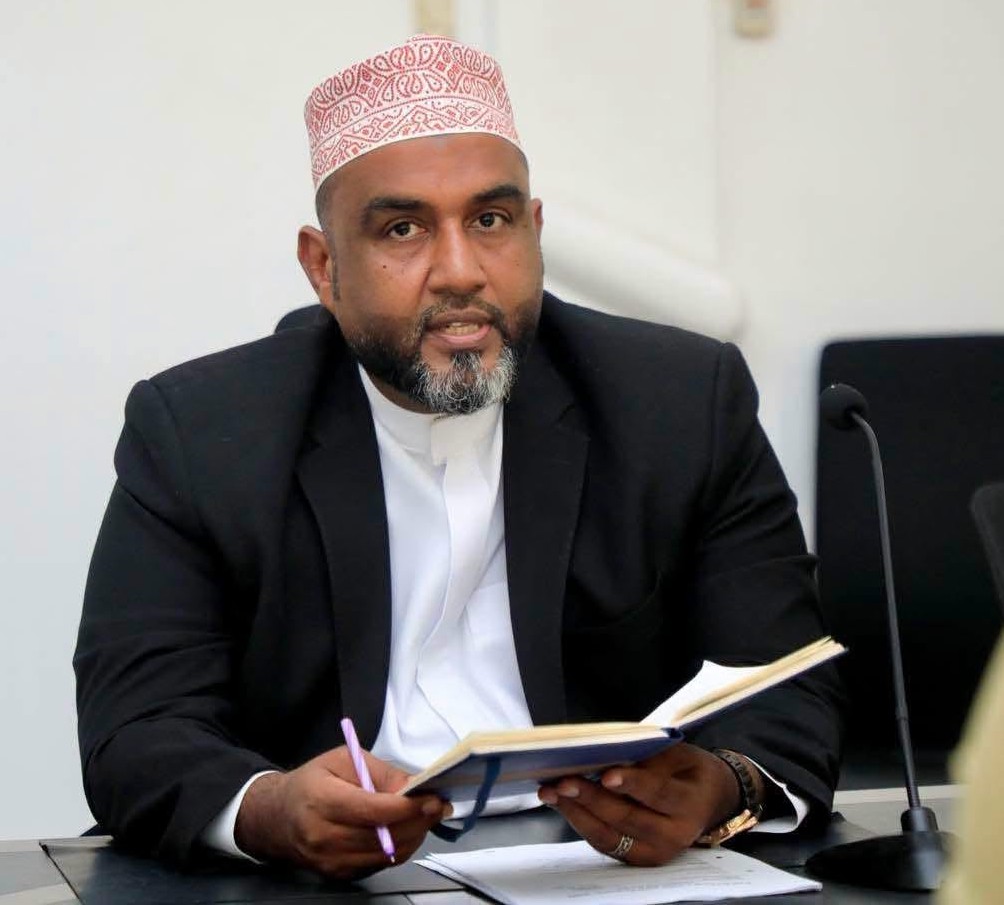
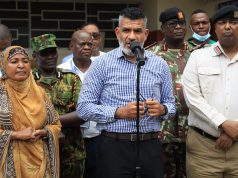
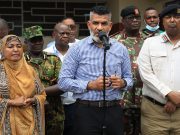
[Reachout Centre Trust Executive Director Taib Abdulrahman. He says drug rehabilitation is more just treatment. It needs follow-up, monitoring and help. Photo/Joseph Ngala/Sept’ 14, 2026].
For Juma, however, reintegration has taken a remarkable form.
The man who once regarded drug dens as home is now a family man and has dedicated part of his life to helping others who are trying to escape the same cycle.
His journey challenges the tendency to define people by their addiction.
A person may have spent years dependent on drugs, but that history does not necessarily have to become the final chapter of their life.
It also challenges society to look beyond the moment someone stops using drugs.
What happens next matters.
Can the recovering person return to a family that is ready to receive them? Can they find meaningful work? Can they regain dignity? Can they build new friendships? Can the community see them as a person in recovery rather than permanently label them by their past?
These questions matter because rehabilitation ultimately seeks more than abstinence.
It seeks restoration.
For Juma, the transformation is already visible.
He moved from a world where heroin could be shared among people, he called family to a structured environment where he had to learn a different way of living. He emerged not only as someone determined to protect his own recovery, but also as someone willing to help others find theirs.
His story is a reminder that drug dependence can take people away from their families and communities—but recovery can begin the journey of bringing them back.
And perhaps the most important lesson from his experience is that recovery is not about pretending the past never happened. It is about refusing to allow the past to decide what comes next.