





















MOMBASA, Kenya—Kenya is targeting its first crude oil exports in December 2026, with the government saying development of the South Lokichar oil fields is on course for commercial production.
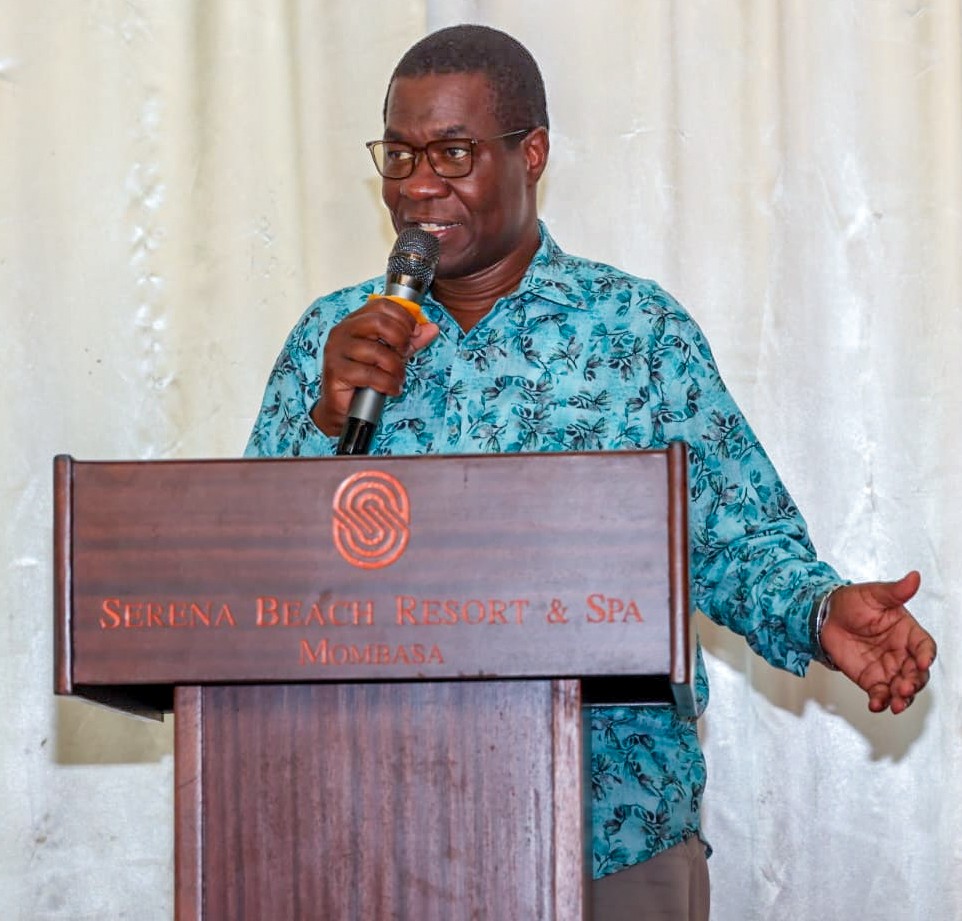
Energy and Petroleum Cabinet Secretary Opiyo Wandayi told the Senate Standing Committee on Energy that crude oil would begin moving from South Lokichar to the Port of Mombasa in December following parliamentary approval of the field development plan earlier this year.
Senate Energy Committee Chair William Kisang said the committee had sought an update on the project as part of its oversight of programmes in the energy and petroleum sector.
“We are on course to export the first crude on first of December this year,” Kisang said.
The start of commercial production would place Kenya among oil-producing countries, more than 14 years after oil was discovered in the country in 2012. Wandayi said Gulf Energy, the new contractor, was leading the development towards production.
The government is also expanding electricity access, particularly in 14 underserved counties, through mini-grid projects being implemented by the Ministry of Energy, Kenya Power and the Rural Electrification and Renewable Energy Corporation. The programme targets connections by March 31, 2027.
Wandayi said the number of electricity customers had increased from about nine million in August 2022 to approximately 10.5 million, as the government expands generation capacity and upgrades transmission and distribution infrastructure.
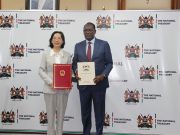
Kenya is also advancing plans for its first nuclear power plant in Siaya County, with groundbreaking targeted for 2027. Wandayi said the government was pursuing discussions with South Korea on the programme, whose initial facility is expected to have a capacity of 2,000 megawatts.
Kenya Nuclear Power PLC has been appointed as the project’s owner-operator, working with the Nuclear Power and Energy Agency and Kenya Power. The government says it will continue engaging communities and other stakeholders over concerns surrounding the project.
Meanwhile, the government is pushing ahead with a proposed Sh2 trillion petroleum refinery and petrochemical complex in Lamu, which Wandayi said would represent a major investment in the country’s petroleum and industrial sectors.
On fuel security, Wandayi said Kenya had maintained uninterrupted petroleum supplies despite disruptions and uncertainty in the Middle East. He attributed this to the government’s government-to-government fuel importation framework and the ability of suppliers to source products from multiple markets.
Although longer shipping distances had increased costs, he said the government had prioritised securing supplies while continuing measures to cushion consumers, including a Petroleum Development Fund subsidy and a reduction in VAT on petroleum products from 16 per cent to eight per cent. Parliament has extended the tax relief for another 90 days from October 15.
Wandayi also said Rwanda had shifted part of its fuel imports from the Port of Dar es Salaam to Mombasa, with the arrival of the first vessel carrying fuel destined for Rwanda. The move is expected to increase petroleum volumes transported through Kenya’s pipeline network.
The Senate committee said it would continue monitoring the projects as the government seeks to expand electricity access, strengthen petroleum security and diversify the country’s energy sources.