






NAIROBI, Kenya—The possibility of a political understanding between Western Kenya and the Mount Kenya region is emerging as a significant conversation within Kenya’s opposition politics, following renewed calls for unity among leaders seeking to challenge President William Ruto in the August 10, 2027 General Election.
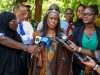
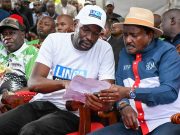
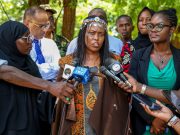
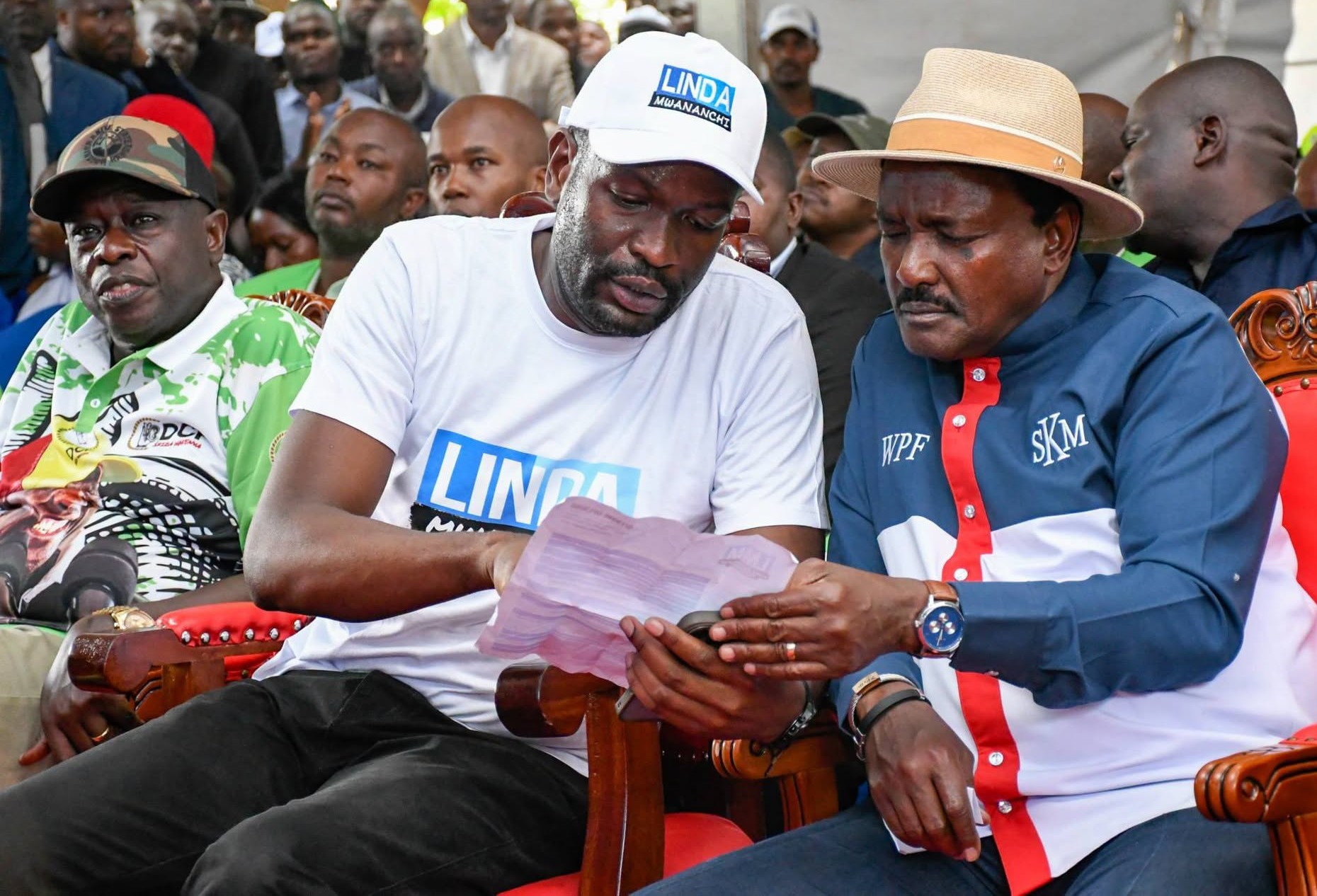
The emerging political realignments took centre stage on Saturday during the burial of Eunice Nyangari Gachagua, the elder sister of former Deputy President Rigathi Gachagua, in Kieni, Nyeri County, where opposition leaders turned a family gathering into a platform for discussing the country’s political future.
Among the most consequential declarations came from Wiper Party leader Stephen Kalonzo Musyoka, who announced his willingness to sacrifice his presidential ambitions and support another candidate if that would guarantee opposition unity and help remove President Ruto from power.
Kalonzo grounded his position in his political history with the late former Prime Minister Raila Odinga, recalling how he had previously put aside his own presidential ambitions to support the former opposition leader’s presidential bids.
“I have done that before and I am ready to do it if that is the best and only way to send President William Ruto home. I have been Raila’s running mate three times and we won the elections. You all understand what happened and we were denied our victory,” Kalonzo said.
His declaration carries historical significance given his previous association with Raila, having served as his running mate in the 2013 and 2017 presidential elections before supporting the Azimio la Umoja coalition in 2022, when Martha Karua was Raila’s running mate.
By invoking that history, Kalonzo presented his willingness to support another opposition candidate as a continuation of a political position he had previously taken, rather than a new concession prompted by the approaching election.
However, his declaration does not settle the question of who should lead the opposition into the next election. Instead, it places renewed attention on whether competing political interests within the coalition can be reconciled through a negotiated presidential candidature.
The Mulembe-Murima proposition
Beyond Kalonzo’s willingness to sacrifice his presidential ambitions, Saturday’s gathering also brought into focus another important political development: the possibility of stronger cooperation between Western Kenya and the Mount Kenya region.
Linda Mwananchi Movement leader and Nairobi Senator Edwin Sifuna openly challenged Gachagua to visit Bungoma County and assess the political mood in Western Kenya, saying the region was ready to work with Mount Kenya to remove President Ruto from power.
The invitation was significant because it pointed to an attempt to expand opposition cooperation beyond individual leaders and establish relationships between influential regional political constituencies.
Sifuna’s outreach also came against the backdrop of previous political disagreements between the two leaders, particularly during Gachagua’s impeachment in October 2024.
Gachagua subsequently indicated his willingness to visit Sifuna’s Bungoma home before Christmas, an engagement that could provide an opportunity for further political consultations.
The proposed Mulembe-Murima understanding therefore introduces an interesting dimension to the opposition’s coalition-building efforts, bringing together the political interests of Western Kenya and Mount Kenya.
For Gachagua, whose political influence is closely associated with the Mount Kenya region, building relationships beyond his traditional political base could form an important part of his wider national political engagements.
For Sifuna, the outreach provides an opportunity to strengthen political cooperation between Western Kenya and other regions while positioning the Linda Mwananchi Movement within the broader opposition negotiations.
However, such an arrangement would require more than public declarations of solidarity. Both regions have distinct political interests, leadership expectations and historical experiences that could complicate efforts to establish a lasting electoral agreement.
The political arithmetic
The proposed Mulembe-Murima understanding raises important questions about the political arithmetic that could shape the 2027 presidential contest.
Mount Kenya and Western Kenya are among the country’s significant electoral constituencies, and political cooperation between their influential leaders could form part of a broader effort to assemble a national coalition.
However, neither region should be treated as a politically uniform voting bloc whose support can automatically be transferred through agreements between political leaders.
Any meaningful political arrangement would also need to consider other regions, including Ukambani, the Coast, Nyanza, the Rift Valley and North Eastern, whose participation would be important in building a national electoral coalition.
The Constitution requires a presidential candidate to secure more than half of all valid votes cast and at least 25 per cent of the votes cast in more than half of the counties.
Consequently, regional cooperation alone would not settle the opposition’s electoral challenge. The coalition would also need a national political programme capable of addressing issues affecting Kenyans across the country.
The presidential ticket?
Perhaps the biggest test facing the United Opposition is how it will settle on a presidential candidate without creating divisions among its leading figures.
Kalonzo’s willingness to step aside addresses one aspect of the challenge, but it does not automatically resolve the competing interests of other political principals.
DCP leader Rigathi Gachagua, Democratic Action Party of Kenya leader Eugene Wamalwa, Sifuna and other opposition figures still face questions surrounding coalition leadership, political representation, power-sharing and the selection of a common presidential candidate.
The leaders reiterated their commitment to opposition unity during Saturday’s burial, maintaining that their collective objective should take precedence over individual political ambitions.
Nevertheless, the negotiations will require more than an agreement on who should occupy the presidential ticket. Kenyans will also expect a credible political programme addressing the cost of living, unemployment, healthcare, public accountability and government service delivery.
Political understanding
Saturday’s developments in Kieni demonstrated how the approaching General Election is influencing relationships among leaders who previously occupied different political positions.
Kalonzo’s willingness to sacrifice his presidential ambitions, Sifuna’s invitation to Gachagua to engage Western Kenya and renewed calls for unity by Wamalwa and other opposition figures have added another dimension to conversations about a common political platform.
Yet the real test will be whether these public declarations can translate into a formal political agreement accommodating different regions, parties and individual leaders.
The proposed Mulembe-Murima understanding could become part of a wider opposition coalition, but its eventual direction will depend on the willingness of political players to negotiate beyond regional interests and establish a shared national agenda.
With the August 10, 2027 General Election approaching, the opposition faces two related challenges: assembling a broad political coalition and agreeing on who should lead it.
Whether the emerging political relationships will eventually produce a unified presidential campaign remains an open question.