























MOMBASA, Kenya—Mombasa County is preparing to deploy more than 3,000 young people as part of an emergency response plan as authorities brace for potentially heavy rains and renewed flooding concerns across the coastal city.
The planned recruitment comes at a time when Mombasa remains particularly vulnerable to flooding because of its low-lying terrain, drainage challenges, rapid urbanisation and increasing pressure on existing infrastructure.
The county government says the additional manpower will be used to strengthen emergency response and other operations as the rainy season approaches, with officials seeking to reduce the disruption that heavy rainfall can cause to transport, businesses, public services and residential areas.
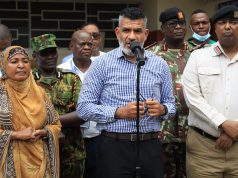
Governor Abdullswamad Shariff Nassir said the county plans to revive its Mombasa Ni Yangu youth employment programme as part of the contingency measures.
Speaking after a meeting with the Mombasa County Special Security Committee, Nassir said the county was moving early to prepare for the expected weather conditions and minimise their impact on residents.
The proposed recruitment is expected to provide additional personnel who can be deployed during emergencies, particularly in areas affected by flooding and other weather-related disruptions.
For Mombasa, preparations for heavy rainfall carry particular significance.
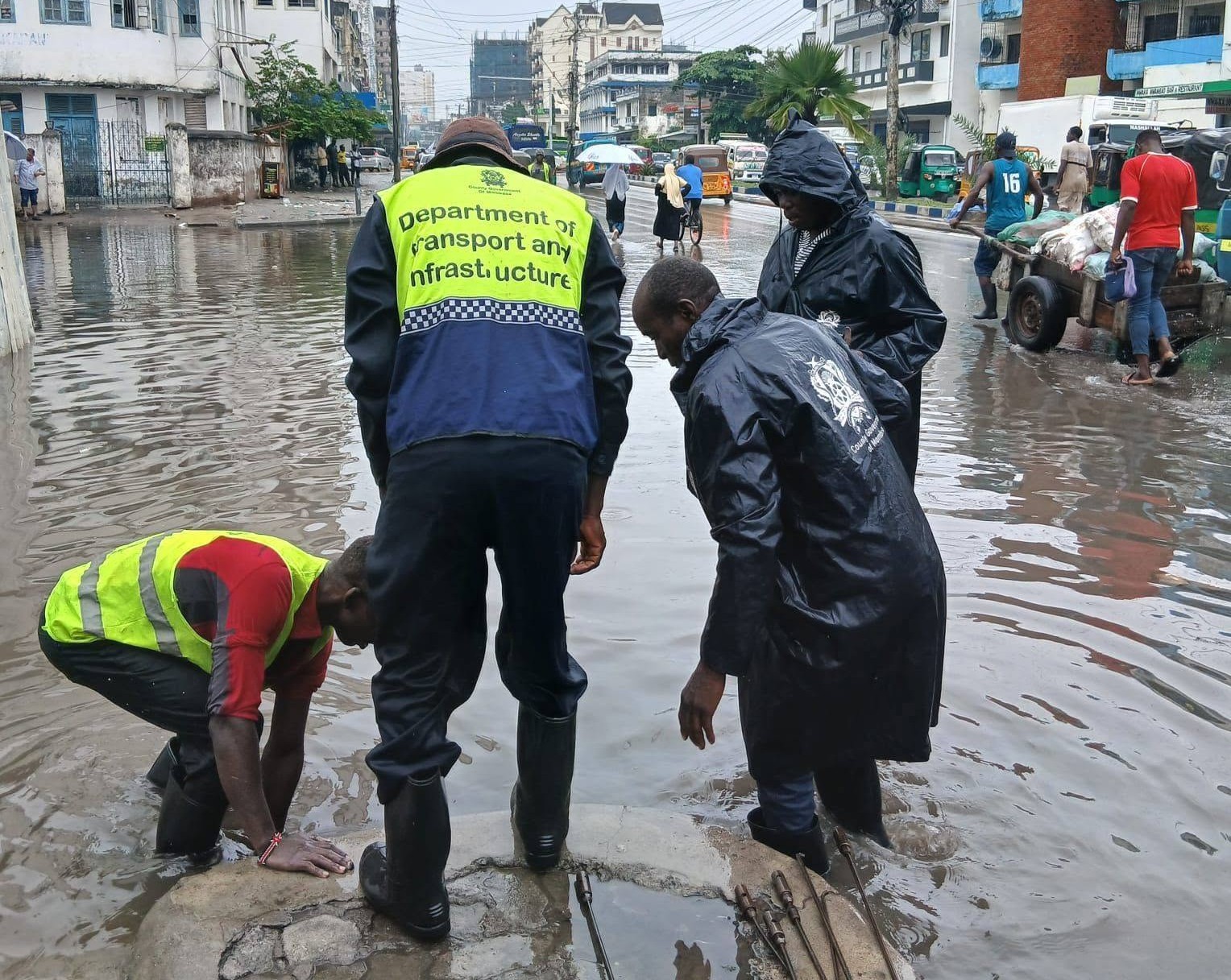
The coastal city has for years struggled with flooding during periods of intense rainfall, with some residential estates and roads becoming difficult to access when drainage systems are overwhelmed.
Blocked drainage channels, inadequate storm-water infrastructure, informal settlements in vulnerable areas and rapid development have all contributed to the city’s exposure to flooding.
The consequences can extend beyond flooded roads and homes.
Heavy rains can disrupt transport, affect businesses, damage property and increase the risk of waterborne diseases when floodwater mixes with sewage or other waste.
In some areas, residents have previously been forced to navigate flooded roads while emergency teams struggle to reach affected households.
The environmental challenge is therefore not simply about the amount of rain received, but also about how prepared the city is to absorb, channel and respond to it.
The county government’s decision to increase its emergency manpower signals an attempt to address one part of that challenge.
However, the effectiveness of the intervention will ultimately depend on how quickly the additional personnel can be deployed and whether other preparedness measures—including drainage clearance, waste management, emergency communication and protection of vulnerable communities—are implemented alongside the recruitment.
The move also places renewed attention on the role of young people in responding to environmental emergencies.
Rather than viewing youth employment only as an economic intervention, the county appears to be linking temporary employment with community resilience, creating a pool of young people who can support emergency operations while earning an income.
But as preparations intensify, authorities are also confronting another challenge: misinformation.
Mombasa County Commissioner Mohammed Nur has warned residents against sharing unverified information about the anticipated weather situation.
Nur raised concern over videos circulating on social media that are being presented as scenes from Mombasa despite not originating from the county.
He said the circulation of such material could create unnecessary fear and confusion at a time when residents need accurate information to prepare for possible emergencies.
The County Commissioner urged residents to verify information before sharing it, particularly as authorities step up their preparations for adverse weather.
The warning highlights the increasingly important role of social media during emergencies.
While digital platforms can help authorities communicate warnings quickly and enable residents to share information about flooded roads, stranded motorists or communities requiring assistance, misleading content can equally make an emergency harder to manage.
For a city such as Mombasa, where heavy rainfall can rapidly disrupt movement and livelihoods, reliable information can be as important as physical emergency infrastructure.
The coming weeks will therefore test more than the county’s ability to recruit additional personnel.
They will test how effectively Mombasa can coordinate its emergency response, keep drainage systems functioning, communicate accurate information and protect communities most exposed to flooding.
The planned deployment of more than 3,000 youths could provide much-needed manpower.
But the broader environmental challenge facing Mombasa requires longer-term solutions.
As rainfall patterns become increasingly difficult to predict and urban areas continue to expand, the city will need sustained investment in drainage infrastructure, waste management, flood-control systems and climate resilience.
For residents living in flood-prone neighbourhoods, preparedness cannot begin when the water is already rising.
The real test of Mombasa’s readiness will be whether the county can turn early warnings into early action—and ensure that when the rains come, emergency response reaches the people who need it most.