






















OL KALOU, Nyandarua County—The July 16 Ol Kalou parliamentary by-election has rapidly evolved from a local electoral contest into one of Kenya’s most closely watched political battles, exposing the growing tensions that could shape the country’s political landscape ahead of the 2027 General Election.
Originally expected to fill a parliamentary vacancy, the by-election has instead become a symbolic contest between the ruling United Democratic Alliance (UDA) and the opposition, with each side viewing the outcome as a measure of political influence in the Mt. Kenya region.
Yet, beyond campaign rallies and party slogans, the contest has been overshadowed by allegations of voter bribery, violence, intimidation and the misuse of state resources—developments that have drawn the attention of the Independent Electoral and Boundaries Commission (IEBC).
IEBC Sounds the Alarm
In an unprecedented warning just days before polling, IEBC Chairperson Erastus Edung Ethekon announced that the Commission could postpone or even cancel the July 16 by-election if violence and violations of the Electoral Code of Conduct continue.
The Commission cited reports of violent confrontations, voter bribery, destruction of campaign materials, night campaigns and other electoral offences. It also warned that candidates found culpable of electoral malpractice risk disqualification.
Such warnings are rare in Kenya’s electoral history and demonstrate the seriousness with which the Commission views the prevailing security and integrity concerns surrounding the mini-poll.
More Than a Parliamentary Seat
Political analysts argue that Ol Kalou is no longer simply about electing one Member of Parliament.
Instead, the constituency has become an early political battleground as rival camps seek to demonstrate their strength ahead of the 2027 General Election.
For the Kenya Kwanza administration, retaining the seat would reinforce the ruling coalition’s influence in the Mt. Kenya region.
For the opposition, a victory would signal shifting political dynamics in what has traditionally been regarded as an important support base.
The intensity of the campaigns reflects the broader national political realignment already underway.
The campaign period has been characterised by persistent allegations from opposition leaders that state resources are being deployed to influence voters.
Among the claims made publicly are allegations that items such as cooking gas cylinders, mattresses and cash have been distributed to voters, and that security agencies have been used to intimidate political opponents.
The government has not accepted these allegations, while the IEBC has stated that it is investigating reported electoral offences and has warned all candidates and political actors against violating electoral laws.
The allegations have intensified public debate over the fairness of the electoral environment.
Gachagua Rejects Cancellation
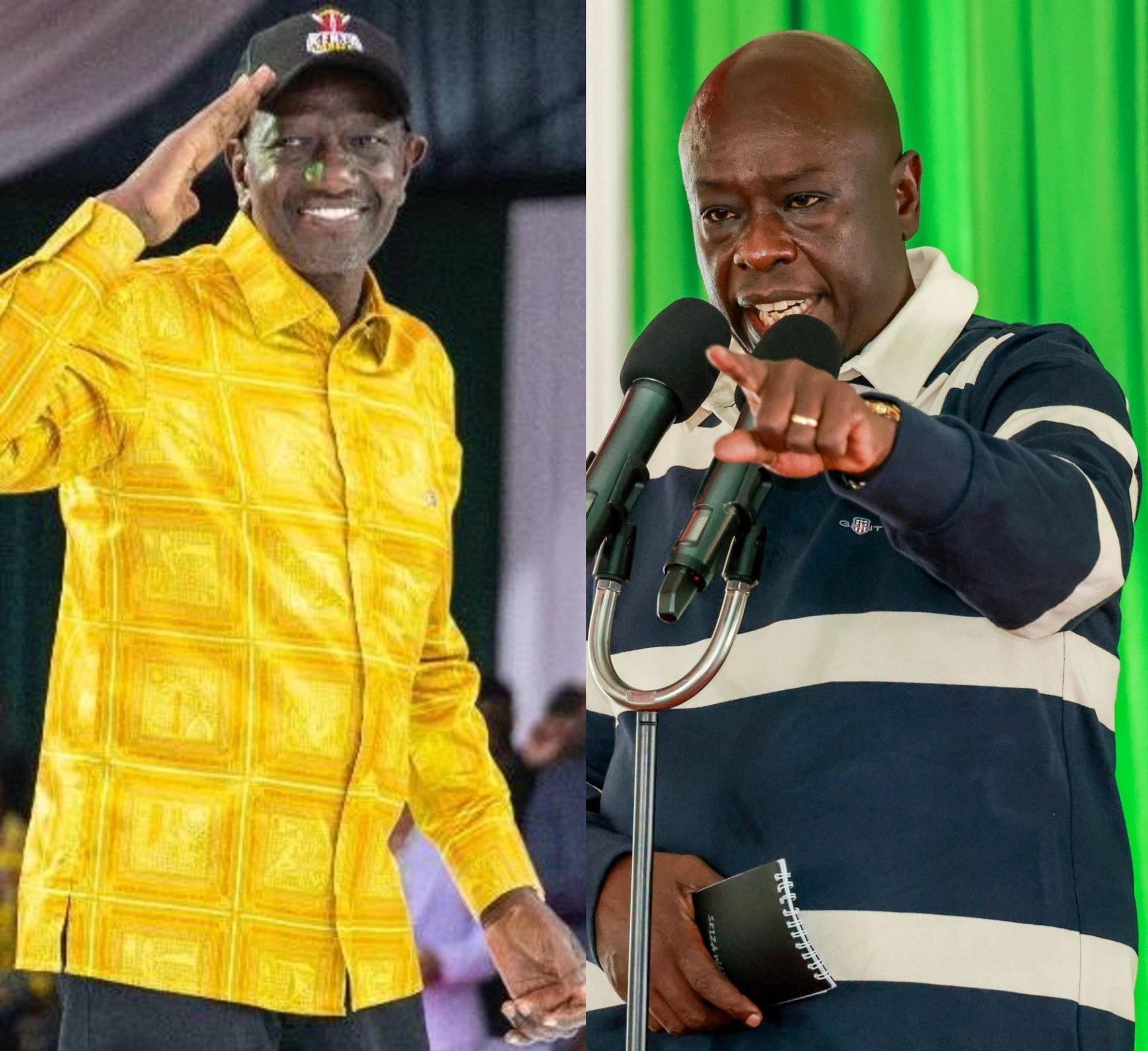
Democracy for Citizens Party (DCP) leader Rigathi Gachagua has strongly opposed any proposal to postpone or cancel the election.
According to Gachagua, the by-election should proceed as scheduled on Thursday, July 16.
He has alleged that the violence witnessed during the campaign is being orchestrated to create conditions that would justify cancelling the election after the ruling side allegedly realised it faced a difficult contest.
Those claims represent the opposition’s position and have added another layer of political tension to an already heated campaign.
Critical Test for IEBC
Beyond the competing political narratives, the Ol Kalou by-election represents one of the first major operational tests for the newly constituted IEBC under Chairperson Erastus Ethekon.
The Commission faces the difficult task of balancing two constitutional responsibilities: protecting the right of citizens to elect their leaders while ensuring that elections are conducted in a peaceful, credible and lawful environment.
Any decision—whether to proceed, postpone or cancel the election—will carry significant legal, political and institutional consequences.
How the Commission manages this process could influence public confidence ahead of the 2027 General Election.
Democracy on Trial
Election observers have long argued that electoral violence, voter bribery and intimidation undermine not only individual contests but public confidence in democratic institutions.
When political competition shifts from ideas and policies to fear and inducements, the credibility of the electoral process itself comes under scrutiny.
The situation in Ol Kalou therefore presents a broader national question: can Kenya conduct peaceful, credible and issue-based elections in the run-up to 2027?
The Road Ahead
As polling day approaches, attention will remain fixed on the actions of political parties, security agencies, the IEBC and voters themselves.
The Commission has made its position clear that the integrity of the electoral process cannot be compromised. At the same time, opposition leaders insist that the constitutional right of voters to elect their representative should not be curtailed because of alleged misconduct by political actors.
Whatever the outcome on July 16, the Ol Kalou by-election has already become far more than a local parliamentary contest.
It is shaping up as an early referendum on electoral integrity, institutional independence and Kenya’s democratic preparedness as the country steadily moves toward the 2027 General Election.