














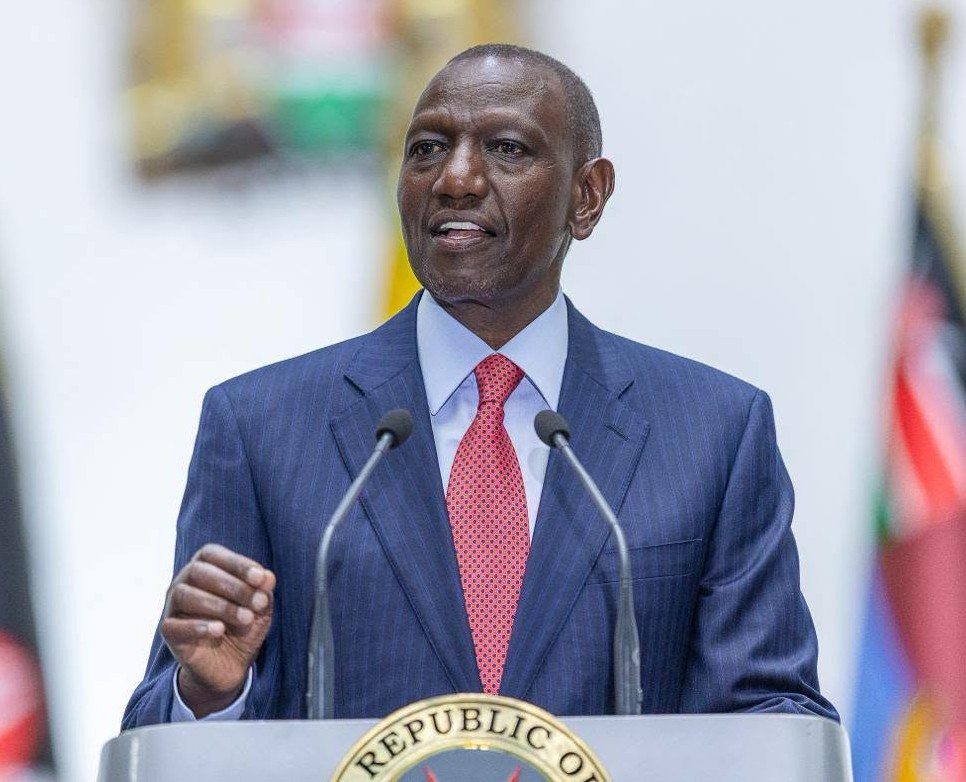
President William Ruto’s Vision 2060 proposal was intended to shift Kenya’s focus to long-term development. Instead, it has triggered a political debate over whether the country should prioritise tomorrow’s ambitions or today’s challenges.
When President William Ruto addressed the nation last week, he sought to shift Kenya’s political conversation from today’s challenges to the country’s long-term future.
Instead of focusing solely on the rising political temperatures ahead of the 2027 General Election, the President unveiled an ambitious proposal to begin developing Vision 2060, a successor to the country’s long-running Vision 2030 blueprint.
His message was clear: Kenya should not be trapped in election politics every five years but should instead build a development agenda capable of outliving individual administrations.
Yet only days after the address, a different political narrative has begun to take shape.
Rather than debating the merits of Vision 2060, several opposition leaders have questioned whether the country is ready to embark on another long-term national vision while many Kenyans continue to grapple with concerns over the cost of living, governance and public service delivery.
Political Divide Over Priorities
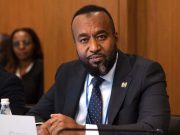
Former Chief Justice David Maraga was among the first prominent leaders to argue that the President’s address did not sufficiently tackle what he viewed as the country’s immediate governance challenges.
His criticism was soon echoed by Wiper leader Kalonzo Musyoka and Democracy for the Citizens Party (DCP) leader Rigathi Gachagua, both of whom questioned whether discussions about Kenya’s long-term future should take precedence over current economic and governance concerns.
On Sunday, former Interior Cabinet Secretary Dr. Fred Matiang’i added his voice to the debate, dismissing the proposed Vision 2060 process as poorly timed and arguing that the government should first resolve what he described as pressing constitutional and governance issues before launching a new national development blueprint.
Although the leaders differ in political affiliation and emphasis, their reactions point to a common argument: that the national conversation should remain focused on the issues affecting citizens today.
Ruto’s Case
For President Ruto, however, the proposal represents something much broader than another government policy.
He argues that Vision 2030 was conceived before the promulgation of the 2010 Constitution and that Kenya now requires a new long-term framework aligned with the country’s devolved system of governance and insulated from changing political administrations.
The President has announced nationwide public consultations beginning on August 12, saying the process will involve citizens, professional bodies, faith groups, academia, civil society, the private sector, young people and other stakeholders before the vision is eventually anchored in law.
In the government’s view, the initiative is intended to provide continuity in national development regardless of which political coalition forms future governments.
More Than a Development Debate
Yet the emerging disagreement is about more than Vision 2060 itself.
It reflects two competing political messages likely to dominate the road to the 2027 General Election.
The government is seeking to campaign on long-term transformation, infrastructure, economic planning and institutional reforms.
Its critics, meanwhile, are attempting to keep public attention fixed on current economic conditions, governance, accountability and the day-to-day challenges facing households.
In many respects, both sides are competing not only for votes but also for control of Kenya’s national conversation.
The Road to 2027
Whether Vision 2060 ultimately gains broad public support may depend less on the document itself than on how Kenyans judge the government’s handling of present-day challenges.
If citizens become convinced that immediate concerns are being addressed, the discussion may gradually shift towards the country’s long-term future.
If not, opposition leaders are likely to continue framing the debate around today’s realities rather than tomorrow’s ambitions.
As Kenya inches closer to the 2027 General Election, the contest may therefore extend beyond political parties and personalities.
It may become a contest over which vision resonates more with voters: one centred on long-term national transformation or one demanding immediate solutions to the challenges confronting Kenyans today.