





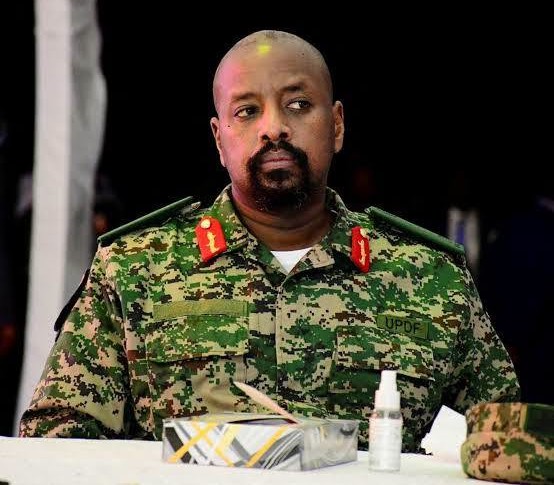
KAMPALA, Uganda—Uganda’s media landscape has been thrown into uncertainty after Chief of Defence Forces Gen. Muhoozi Kainerugaba ordered the shutdown of some of the country’s leading independent media outlets, prompting fresh concerns over press freedom and freedom of expression.
The directive affected Nation Media Group (NMG) Uganda’s NTV Uganda, Spark TV and the Daily Monitor, with security personnel reportedly deployed to the company’s premises in Kampala as broadcasts were disrupted and access to the facilities restricted.
Gen. Muhoozi, who is also the son of President Yoweri Museveni, announced the decision through a series of posts on his official X account, declaring that he did not believe in a free press and that the affected media outlets would not resume operations without his permission. He did not publicly provide a detailed legal basis for the closures.
The shutdown marks one of the most significant confrontations between Uganda’s security establishment and independent media in recent years.
NTV Uganda and Spark TV are operated by Nation Media Group, one of East Africa’s largest independent media companies, while the Daily Monitor remains one of Uganda’s most influential privately owned newspapers.
The developments have drawn criticism from media stakeholders and press freedom advocates, who argue that restricting independent media could undermine constitutional guarantees on freedom of expression and the public’s right to information.
The incident also revives memories of previous confrontations between Ugandan authorities and independent media. In 2013, the Daily Monitor was shut down for several days following reports relating to political succession, highlighting a long-running tension between sections of the media and the state.
The latest crackdown comes as Uganda continues to navigate an evolving political landscape amid growing discussion about future leadership and democratic governance.
By Sunday, military personnel remained deployed at Nation Media Group premises in Kampala, while journalists and staff reported disruptions to normal operations.
The developments are expected to attract regional and international attention as press freedom organisations and democratic governance advocates closely monitor the situation and its implications for independent journalism in Uganda.