



















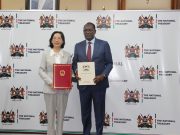




MOMBASA, Kenya — The Intergovernmental Authority on Development (IGAD) has launched a renewed regional push to strengthen pharmaceutical manufacturing across Africa as governments seek to reduce reliance on imported medicines and vaccines following lessons from the COVID-19 pandemic.
The three-day Community of Practice meeting in Mombasa has brought together government officials, pharmaceutical manufacturers, regulators, development partners and health experts from 11 countries to develop strategies aimed at expanding local production and improving regional collaboration.
The initiative forms part of the Health Emergency Preparedness, Response and Resilience Programme, which covers countries in Eastern and Southern Africa and supports the African Union’s ambition of producing 60 per cent of the vaccines used on the continent by 2040.
Speaking during the meeting, IGAD Head of Health Unit Dr. Mohammed Elduma said the region can no longer rely heavily on imported medical products, particularly during health emergencies that disrupt global supply chains.
“The Community of Practice provides a platform where regulators, manufacturers, ministries of health, the private sector, development partners and technical agencies can jointly identify solutions to strengthen pharmaceutical manufacturing across the region,” he said.
Dr. Elduma said the COVID-19 pandemic, alongside recurring outbreaks of diseases such as Ebola, exposed Africa’s vulnerability after many countries struggled to access essential medicines, vaccines and other medical supplies.
He said IGAD is implementing the programme in partnership with the East, Central and Southern Africa Health Community (ECSA-HC), regional economic communities and African Union institutions to help member states expand pharmaceutical manufacturing capacity and strengthen regional cooperation.
According to Dr. Elduma, the region is shifting from country-specific manufacturing models towards a regional production approach that enables manufacturers to serve wider African markets.
“We want to move beyond thinking about local manufacturing for individual countries. A manufacturer in Kenya should be able to supply medicines to Zambia, South Africa, Sudan, Egypt and other African markets through stronger regional integration,” he said.
He noted that expanding regional markets would make pharmaceutical investments more attractive while improving the availability of quality medicines and vaccines across Africa.
The forum has attracted representatives from ministries of health, national medicines regulatory authorities, pharmaceutical manufacturers, development agencies, private sector players and regional organisations, all working to develop practical recommendations for strengthening the continent’s pharmaceutical value chain.
World Bank Lead Health Specialist Dr. Ramesh Govindaraj said increasing pharmaceutical production within Africa is critical to improving access to medicines, vaccines and medical devices while strengthening the continent’s health security.
He said greater regional cooperation would reduce dependence on imports, improve supply chain resilience and ensure countries are better prepared to respond to future public health emergencies.
The meeting is expected to generate recommendations on policy harmonisation, regulatory cooperation, investment promotion and regional partnerships aimed at accelerating pharmaceutical manufacturing across Eastern and Southern Africa.
Africa’s Manufacturing Gap
Africa currently imports the vast majority of its medicines and vaccines, making many countries vulnerable to global supply chain disruptions during health emergencies. The African Union has set a target of manufacturing 60 per cent of the vaccines used across the continent by 2040, a goal that requires increased investment, stronger regulatory systems, technology transfer and closer collaboration among African countries.
Regional organisations such as IGAD say expanding pharmaceutical manufacturing will not only improve health security but also create jobs, stimulate industrial growth and reduce the continent’s dependence on imported medical products.