






















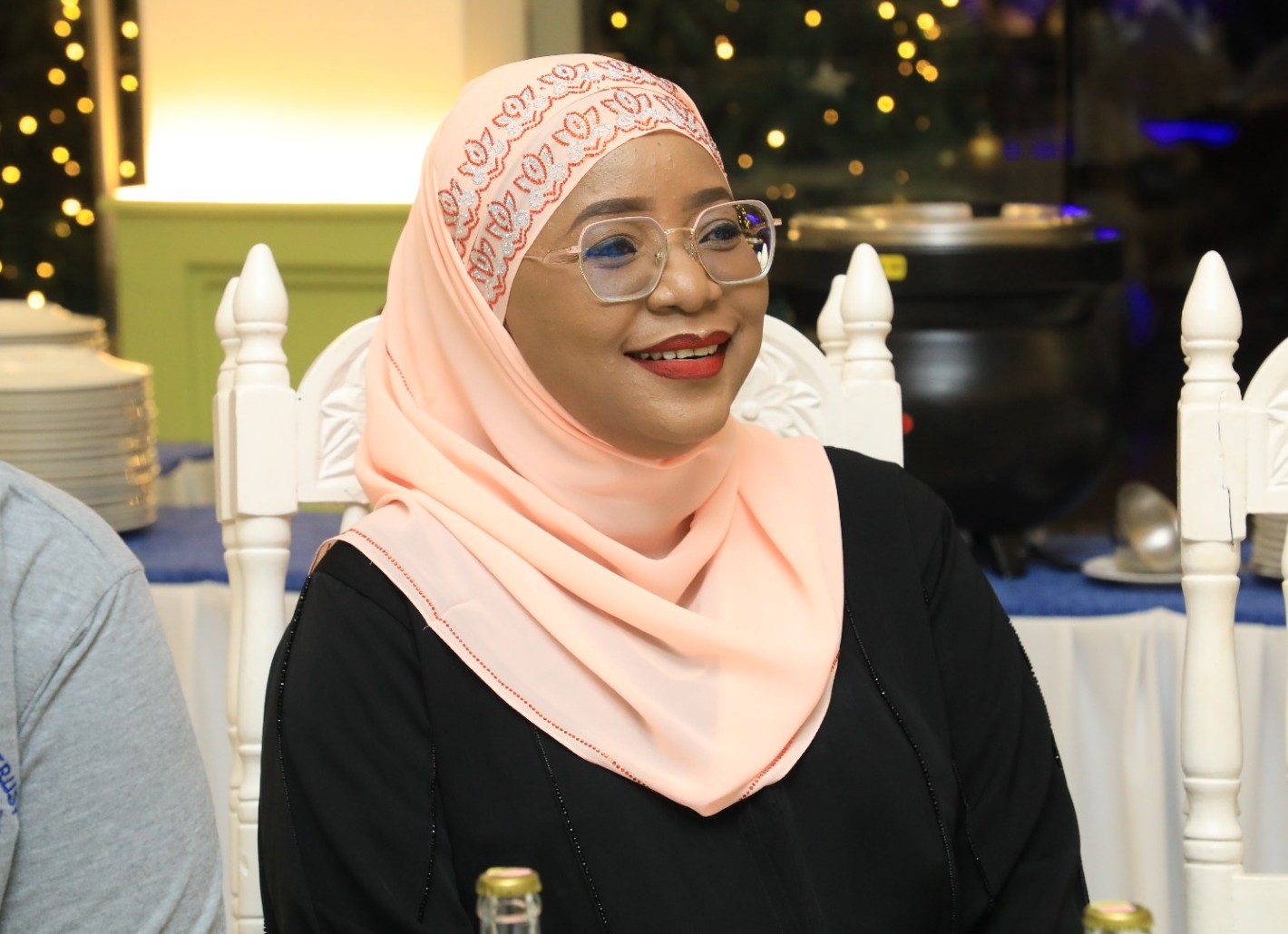
For nearly 20 years, Faizah Hamid has walked into places many people fear—drug dens, broken homes and communities scarred by addiction. As one of the Coast’s leading women in addiction recovery, she has spent her career proving that behind every person battling drugs is a life worth saving.
The first thing most people notice about a drug den is the silence.
It is not the silence of peace, but one filled with hopelessness. Young men stare blankly into space. Women hide the pain of addiction behind weary faces. Families watch from a distance, wondering whether they have already lost the people they love.
For many, these are places to avoid.
For Faizah Hamid, they became a workplace.
For nearly two decades, the Reachout Centre Trust Programmes Manager has chosen to walk towards the very places that others flee. While many see danger, crime and despair, she sees something different—a human being whose story is not yet over.
It is a decision that has defined her life.
Long before she became a manager, before she supervised programmes or coordinated interventions across Kenya’s Coast, Faizah was simply a volunteer determined to make a difference.
She had no promise of recognition. No guarantee that the people she reached out to would change. Only a conviction that everyone deserves another chance.
That conviction has carried her from volunteer to outreach worker, then Monitoring and Evaluation Officer, and today to Programmes Manager at Reachout Centre Trust, where she oversees programmes supporting people affected by drug and substance use, HIV prevention, mental health, family reintegration and community recovery.
Yet despite the titles, colleagues say little has changed.
She is still the woman willing to spend hours inside drug dens talking to people society has already written off.
She still believes recovery begins with listening.
She still refuses to give up on people who have given up on themselves.
“Even one life transformed is enough to keep me going,” she says.
Those words are more than a personal philosophy.
They are reflected in hundreds of lives that have been rebuilt.
One of them belongs to Debora Ebole.
For twenty years, addiction controlled every aspect of her life.
“When I look back at how much I suffered, I see how drugs took away not just my life, but my family’s too. I couldn’t take care of them,” she recalls.
Then came a day when Faizah and her colleagues found her inside a drug den.
She expected judgment.
Instead, she found compassion.
“Faizah Hamid is one in a million,” Debora says. “Together with her team, they found me dirty and broken, but they never cared about my appearance. They walked with me through every stage of healing.”
Today, more than ten years later, Debora says she has remained drug-free.
“I don’t use any drugs anymore—not even a cigarette.”
Another life transformed is that of Kassim Chai.
There was a time when addiction had consumed more than a decade of his life.
Today, he spends his days helping others escape the same trap.
“I was deeply immersed in drugs,” he says. “People who knew me then can hardly believe I am now responsible, healthy and raising a family.”
He remembers resisting every attempt to help him.
“I was rude. I refused assistance. But Reachout Centre Trust, under Faizah Hamid’s leadership, never stopped believing in me.”
Eventually, he agreed to treatment.
Today, he works as an outreach worker—walking alongside people beginning the same journey that once saved his own life.
Stories like these reveal why Faizah’s work extends far beyond addiction treatment.
Recovery is about rebuilding families.
Restoring dignity.
Giving parents their children back.
Helping communities rediscover hope.
As a woman working in one of the country’s most demanding social sectors, Faizah has also become a leading advocate for women who use drugs—a group often overlooked in public conversations and frequently burdened by violence, stigma, poverty and limited access to healthcare.
She has pushed for programmes that recognise the unique realities women face, ensuring interventions address not only addiction but also mental health, reproductive health, HIV prevention and protection from gender-based violence.
In a field where success is rarely measured overnight, progress often comes quietly.
Sometimes it is a mother reunited with her children.
Sometimes it is a former addict finding employment.
Sometimes it is simply another sunrise for someone who once believed life was over.
These moments rarely make headlines.
Yet they represent the victories that keep Faizah returning to communities day after day.
Her leadership is not defined by speeches or public recognition.
It is found in the trust she builds, the dignity she restores and the hope she refuses to surrender.
In a society where many choose to walk away from addiction, Faizah Hamid keeps walking towards it—not because the work is easy, but because she believes every life is worth fighting for.