





















NAIROBI, Kenya – Kenya has renewed efforts to strengthen a national reading culture amid growing concerns over literacy levels, with government officials calling reading a critical investment in education and national development.
The renewed campaign was marked during the National Reading Day 2026 celebrations held at the Kenya National Library Service (KNLS) headquarters in Nairobi, where the government said promoting reading remains key to improving learning outcomes under the Competency-Based Curriculum (CBC).
According to UNESCO, about seven in ten children in Sub-Saharan Africa are unable to read and understand a simple text by the age of 10, highlighting the scale of the literacy challenge facing the region.
Speaking during the celebrations, Secretary to the Cabinet Mercy Wanjau said developing strong reading habits among children and young people is essential for building an informed, innovative and productive society.
“Reading is not simply an educational activity. It is a national investment in human capital. Every child who develops strong reading skills is better equipped to succeed in school, participate in society and contribute to Kenya’s social and economic development,” she said.
This year’s National Reading Day attracted 450 participants from Nairobi and Nakuru counties, representing a 23.5 per cent increase in participation compared to last year’s event.
Held under the theme “Our Stories, Our Future: Empowering Minds Through Reading,” the event brought together government agencies, publishers, librarians, authors, educators, development partners and learners to promote reading as a lifelong habit.
Participants took part in a book march through Nairobi before attending storytelling sessions, cultural performances, school presentations, exhibitions and author engagements aimed at encouraging reading among children and young people.
Kenya National Library Service Director General Dr. Charles Nzivo said libraries continue to play a vital role in expanding access to books and knowledge, particularly through digital platforms.
“Libraries remain one of the most powerful equalizers in society. By expanding access to books, digital resources and community learning spaces, we are helping build a generation of readers, innovators and informed citizens,” he said.
KNLS said its digital library currently serves about 4,700 registered users, reflecting increasing demand for online educational resources as more Kenyans embrace digital learning.
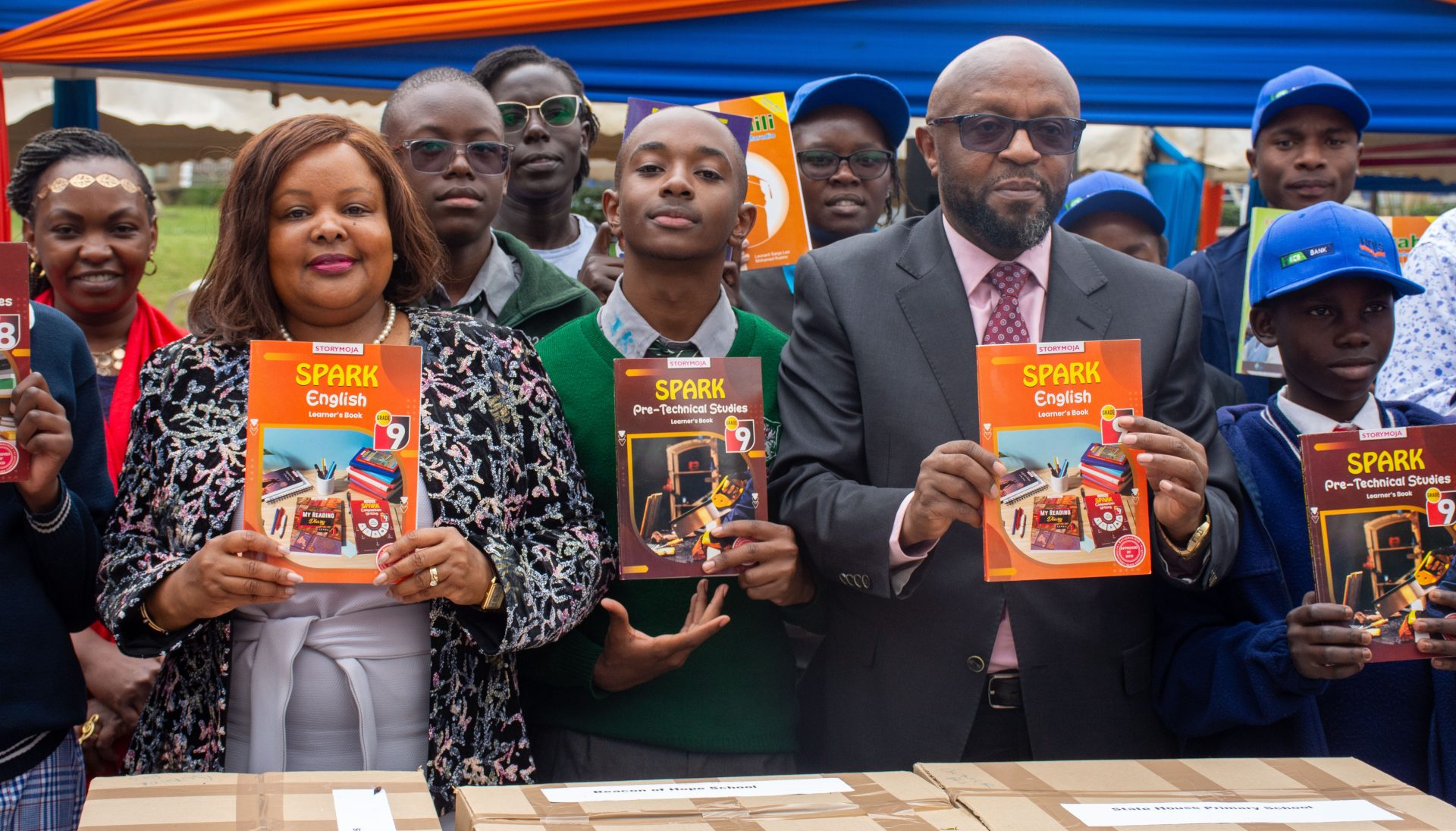
During the week-long programme, more than 700 learners participated in storytelling sessions, reading competitions and creative writing activities. Nine schools from Nairobi took part in the competitions, showcasing reading, storytelling and creative skills.
Organisers also donated more than 2,500 books to learners and communities in an effort to improve access to quality reading materials. Activities were coordinated through KNLS branches at Maktaba Kuu, Buruburu and Nakuru.
The celebrations concluded with an awards ceremony recognising outstanding schools, learners and partners for their contribution to promoting literacy and a culture of reading across the country.