























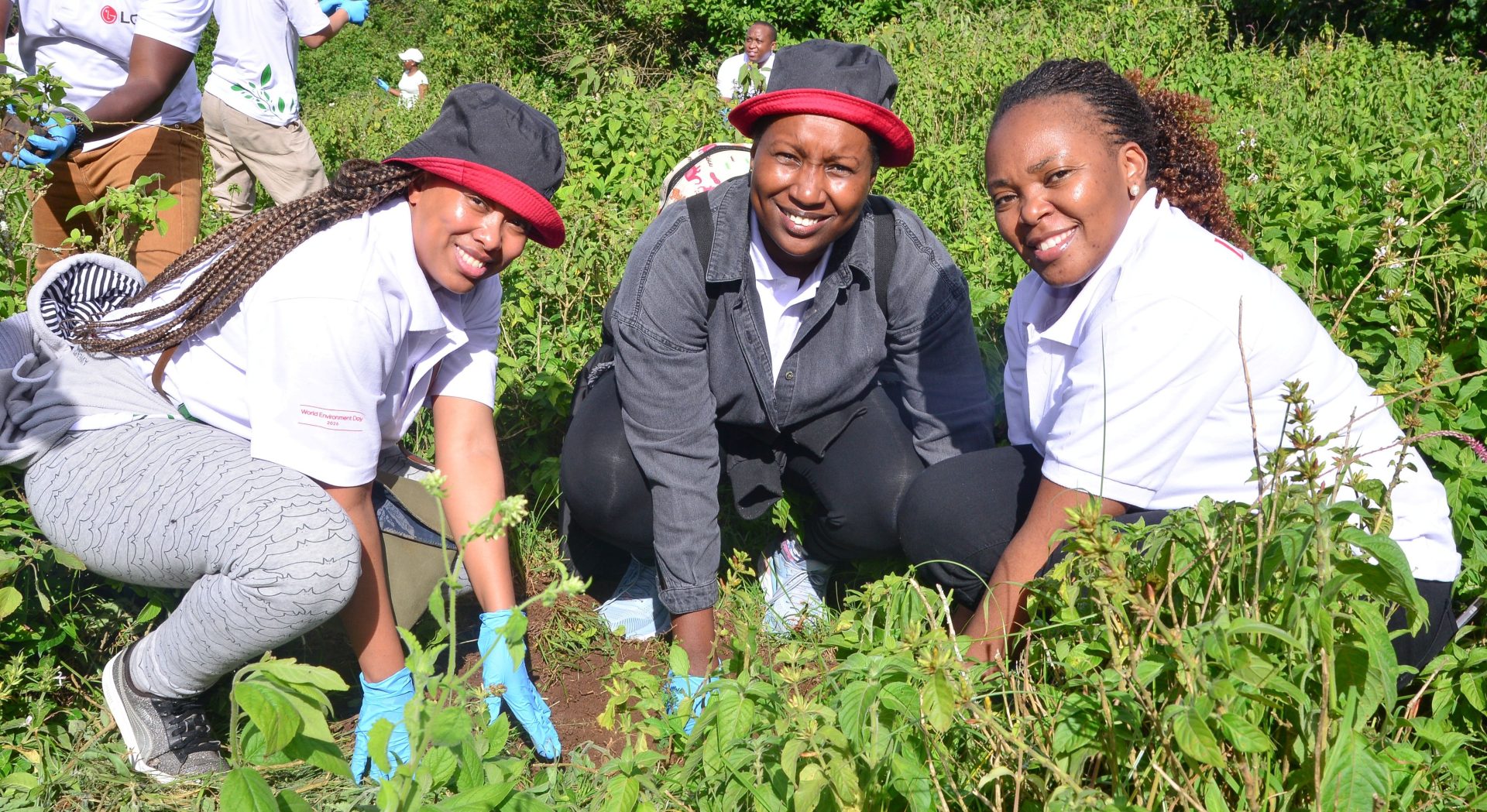
NAIROBI, Kenya—Efforts to restore Kenya’s degraded forests received a boost on Friday as more than 300 indigenous trees were planted at Ngong Hills Forest amid growing concerns over environmental degradation and threats facing the country’s critical water catchment areas.
The tree-planting exercise, undertaken through a partnership involving private sector players, conservation groups and community forest associations, comes as Kenya continues to grapple with declining biodiversity, deforestation, prolonged droughts, flooding and increasing pressure on natural ecosystems.
Ngong Hills Forest, a 7,000-acre ecosystem located on the outskirts of Nairobi, remains one of the country’s key water catchment areas, supporting communities across Nairobi, Kajiado, Kiambu and neighbouring counties. Environmentalists warn that continued degradation of such ecosystems could undermine water security and accelerate the impacts of climate change.
Conservation stakeholders say protecting forests has become increasingly urgent as Kenya seeks to meet its national target of increasing tree cover while addressing the effects of decades of deforestation, illegal logging, encroachment and unsustainable land use practices.
The latest restoration exercise follows a similar initiative undertaken last year in which more than 300 indigenous seedlings were planted within degraded sections of the forest. Conservation groups involved in the programme reported that 252 of the seedlings survived, translating to an 84 per cent survival rate.
Environmental experts note that while tree-planting campaigns have become increasingly common across the country, the success of restoration efforts depends largely on long-term maintenance and monitoring of planted seedlings.
According to conservation practitioners, restoring degraded forests plays a critical role in regulating water flows, reducing soil erosion, absorbing carbon emissions and providing habitats for wildlife.
Speaking during the exercise, Tree Niches Co-founder and Director Dr. Solomon Kipkoech said forest restoration should focus on rebuilding resilient ecosystems capable of supporting both biodiversity and local communities.
“Kenya has lost significant portions of its natural ecosystems over the years due to deforestation and land degradation. Every successful restoration project contributes towards reversing that trend and strengthening environmental resilience,” he said.
The initiative was carried out in partnership with the Ngong Hills Metro Community Forest Association and conservation organisation Tree Niches, with participants calling for increased collaboration between communities, conservation groups and the private sector to accelerate forest restoration efforts.
The exercise coincided with renewed national conversations around environmental conservation as Kenya works towards restoring degraded landscapes and safeguarding critical ecosystems from growing human and climate-related pressures.