






















Court Battle, Doctors’ Revolt and a Secretive Health Deal at the Centre of a Growing National Storm
When reports emerged that the United States planned to establish an Ebola quarantine facility in Kenya for American citizens exposed to the deadly virus in East and Central Africa, the reaction was swift, emotional and deeply divided.
Within days, what began as a public health preparedness discussion had transformed into a full-blown national controversy involving the Kenyan Government, the U.S. Government, doctors, constitutional lawyers, civil society groups and the courts.
At the centre of the storm is a question that has ignited fierce public debate:
Did Kenya agree to become a quarantine destination for potentially Ebola-exposed Americans while assuming risks that many citizens believe should never have crossed its borders?
The question has become even more urgent following a High Court decision to suspend the implementation of the proposed arrangement pending the hearing of legal challenges filed by activists and constitutional watchdogs.
For many Kenyans, the issue is no longer just about disease control.
It is about sovereignty, transparency, public trust and whether the government adequately consulted citizens before engaging in discussions with a foreign power over one of the world’s deadliest diseases.
A deadly virus returns to the region
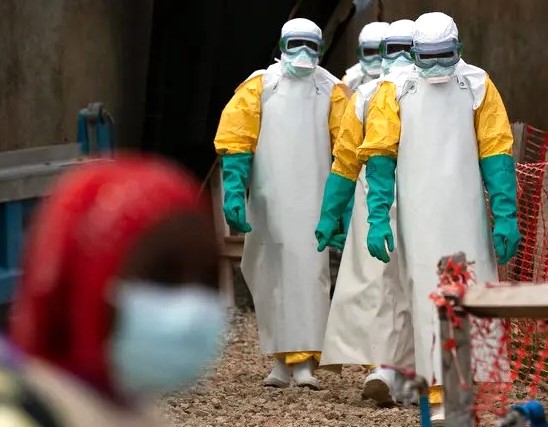
The controversy unfolds against the backdrop of renewed Ebola outbreaks in parts of East and Central Africa.
The virus, which has claimed thousands of lives during previous outbreaks, remains one of the most feared infectious diseases globally due to its high fatality rate and potential for rapid transmission.
Although Kenya has not recorded an active Ebola outbreak, its strategic position as a regional transport and logistics hub places it on the frontline of preparedness efforts whenever neighbouring countries experience health emergencies.
Government officials have maintained that discussions with the U.S were part of broader efforts to strengthen Kenya’s readiness to respond to potential outbreaks and enhance regional disease surveillance.
Supporters of the arrangement argue that international cooperation is essential in confronting modern health threats that do not respect national borders.
However, critics contend that preparedness should never involve exposing the country to avoidable risks.
The deal that sparked a firestorm
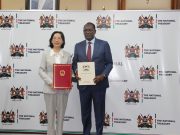
According to reports, the proposed arrangement would have seen American citizens exposed to Ebola in outbreak zones quarantined at a specially designated facility in Kenya rather than being transported directly to the United States.
The facility was reportedly to be established at Laikipia Air Base and operated with significant American involvement.
To supporters, the proposal represented a practical public health measure.
To opponents, it represented something entirely different.
Many questioned why one of the world’s wealthiest nations would seek to quarantine its potentially exposed citizens thousands of kilometres away instead of managing them within its own territory.
That question quickly spread across social media, political circles and professional medical associations.
For critics, the optics alone were troubling.
If Ebola is dangerous enough to require strict quarantine measures, they asked, why should Kenya shoulder any part of that burden?
Doctors push back
Perhaps the most significant opposition came from the medical community.
Doctors and health sector stakeholders voiced concerns over the potential implications of hosting a facility associated with Ebola exposure management.
Their argument was not necessarily that Kenya lacks medical expertise.
Rather, many feared that introducing such a facility could create unnecessary risks for healthcare workers, nearby communities and the wider health system.
Some questioned whether adequate safeguards had been publicly disclosed. Others raised concerns about emergency response protocols, liability issues and long-term implications for Kenya’s public health infrastructure.
The controversy exposed a deeper concern within the medical profession: trust.
Many healthcare workers argued that major public health decisions require extensive consultation, transparency and public participation, particularly when dealing with diseases capable of triggering widespread fear.
The courts step in
As public anxiety intensified, legal action soon followed.
Petitioners moved to court seeking urgent intervention, arguing that the arrangement raised constitutional, public health and governance concerns.
The petitioners questioned whether proper procedures had been followed and whether Kenyans had been adequately informed about the nature of the proposed agreement.
The High Court’s decision to suspend implementation dramatically altered the trajectory of the debate.
What had initially appeared to be an administrative and diplomatic matter was suddenly transformed into a constitutional question.
The court’s intervention effectively shifted the battleground from government boardrooms to the judiciary.
A question of sovereignty
Beyond the medical and legal dimensions lies an even more politically sensitive issue. National sovereignty.
For many observers, the controversy has revived long-standing debates about the balance between international partnerships and national interests.
Kenya enjoys close cooperation with the United States in areas ranging from security and trade to health and development assistance.
That partnership has delivered significant benefits over the years.
Yet critics argue that partnerships must operate within clearly defined limits and with full public accountability.
The Ebola dispute has become a test case for how far international cooperation should go when matters of national health security are involved.
Government defends its position
Government officials have consistently maintained that the discussions were intended to strengthen preparedness and enhance Kenya’s ability to respond to emerging health threats.
Officials argue that infectious diseases require international collaboration and that preparedness measures are often misunderstood when viewed through the lens of fear rather than science.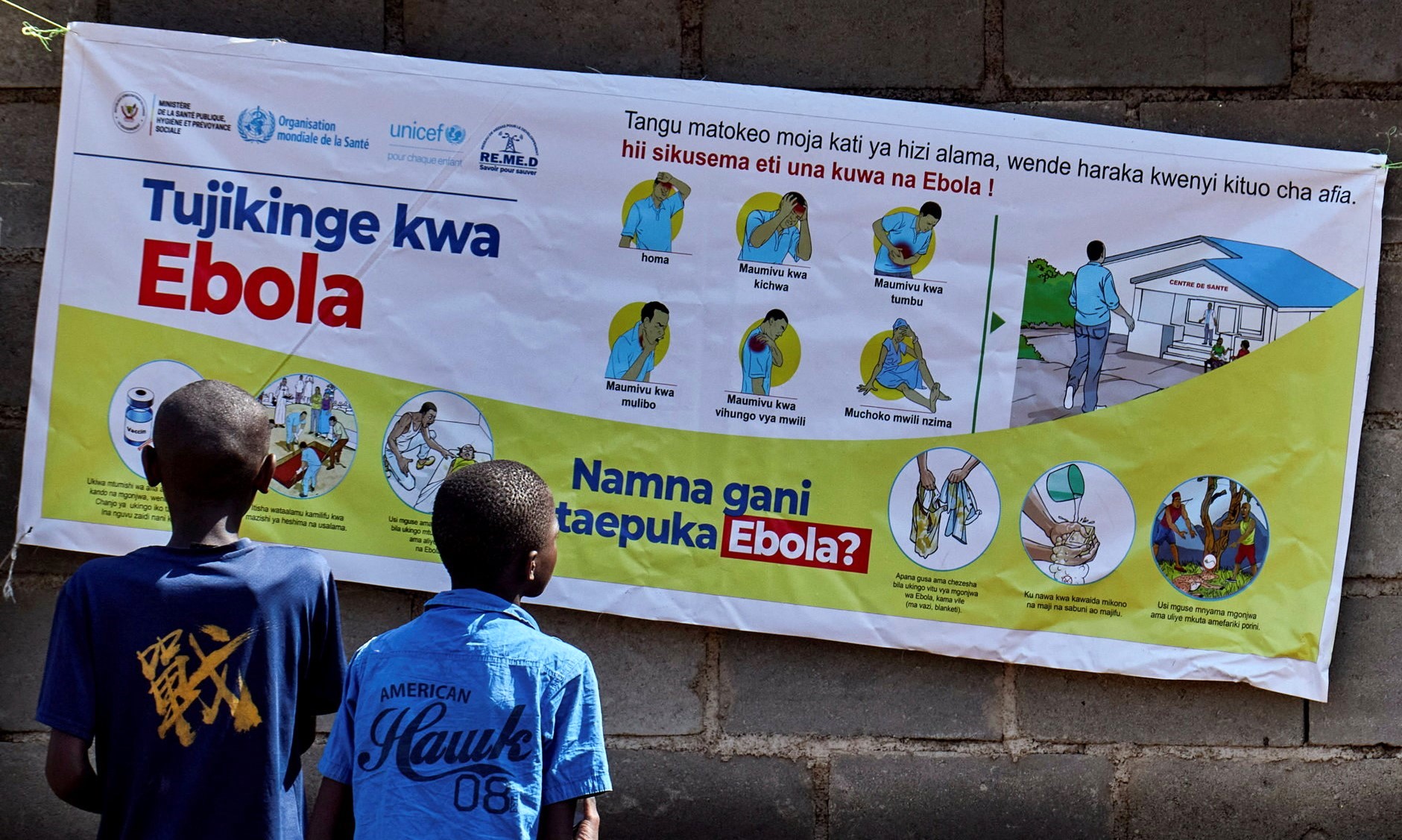
[Congolese children Ibrah Asimwe and Alex Uketi read an advocacy poster as aid agencies intensify efforts to contain a new Ebola outbreak involving the Bundibugyo strain outbreak, in Bunia, Ituri province, Democratic Republic of Congo.Photo/courtesy/REUTERS/Gradel Muyisa Mumbere/May, 30, 2026].
Supporters of the government’s position warn that misinformation and panic could undermine legitimate efforts to protect public health.
They maintain that preparedness does not automatically translate into increased risk and that Kenya has successfully managed complex health challenges before.
Why this debate is far from over
The High Court’s intervention may have temporarily halted the plan, but it has not resolved the underlying questions.
What exactly was agreed?
How advanced were the discussions?
What safeguards were proposed?
Who would have exercised operational control?
What obligations would Kenya have assumed?
And perhaps most importantly, where should the line be drawn between international cooperation and national responsibility?
These questions continue to linger as the legal battle unfolds.
The bigger picture
The Ebola controversy is ultimately about more than a quarantine facility.
It is a reflection of growing public demand for transparency in government decision-making.
It highlights the increasing scrutiny facing international agreements that touch on public safety.
And it underscores how quickly health emergencies can evolve into political and constitutional flashpoints.
Whether the courts eventually uphold or reject the proposed arrangement, one thing is already clear: The debate has exposed a deep public sensitivity around issues of health security, foreign influence and national sovereignty.
As Kenya awaits the next chapter in the unfolding legal and political battle, the country finds itself grappling with a question that extends far beyond Ebola itself:
How should a nation balance global cooperation with the duty to protect the confidence, safety and trust of its own citizens?