























MOMBASA, Kenya—The Kenya Revenue Authority (KRA), Kenya Ports Authority (KPA) and private-sector stakeholders have stepped up efforts to improve cargo clearance and reduce delays at the Port of Mombasa as part of a broader push to strengthen Kenya’s position as a regional trade and logistics hub.
The institutions are working on a series of measures targeting cargo processing, gate operations, technology and the use of alternative facilities to ease pressure on the port and improve the movement of goods.
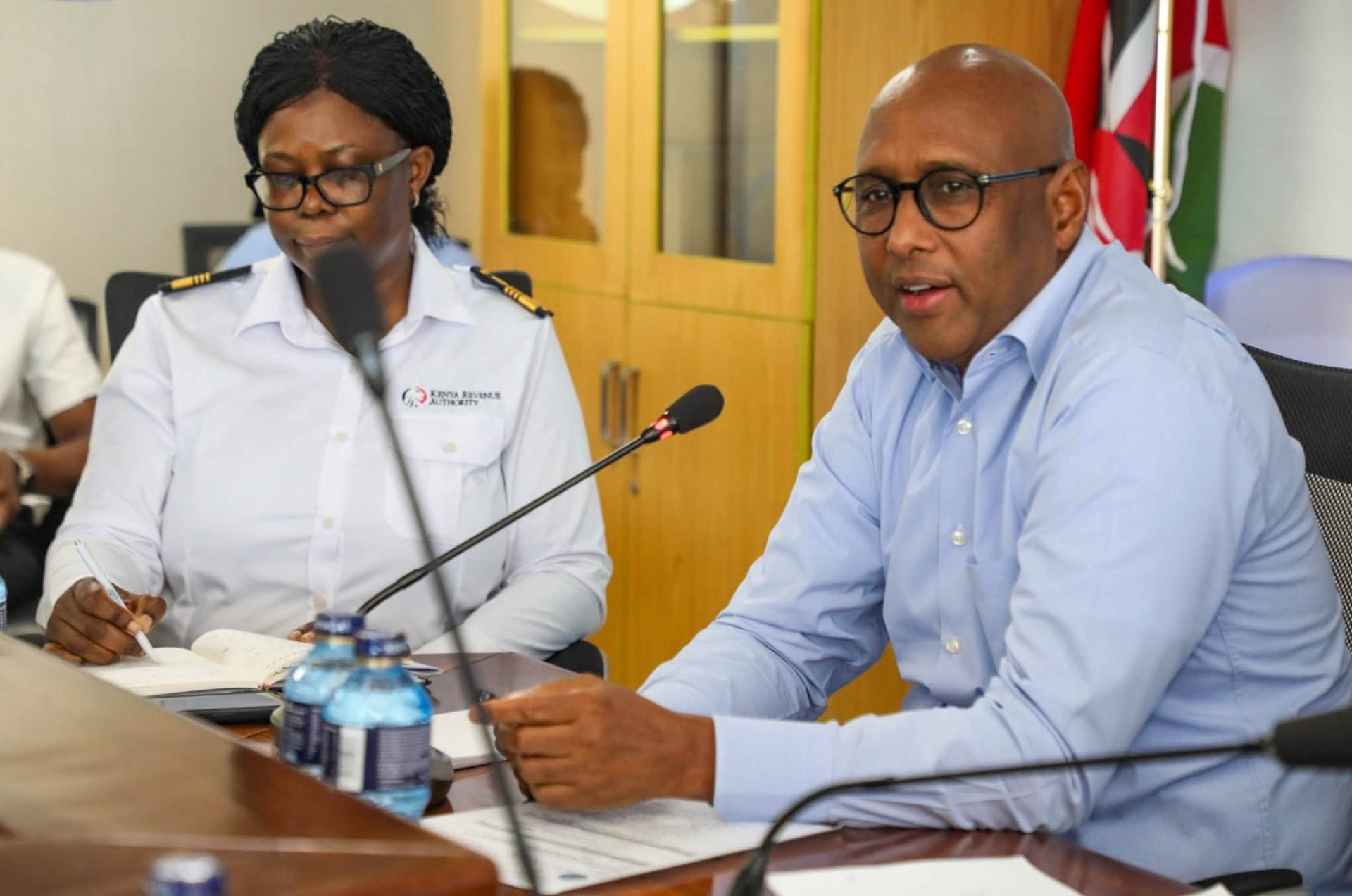
Speaking during a strategic coordination meeting at the Port of Mombasa, KRA Commissioner General Adan Mohammed said closer collaboration between government agencies and businesses was necessary to create a more predictable cargo clearance environment.
He said the reforms are intended to remove operational bottlenecks while expanding the use of technology and strengthening compliance, with the ultimate goal of supporting businesses while protecting government revenue.
The Port of Mombasa currently handles approximately 2.1 million twenty-foot equivalent units (TEUs), making it a major maritime gateway for the region and a critical component of Kenya’s trade infrastructure.
One of the key reforms under review is the Advanced Cargo Declaration (ACD) system, which allows cargo documentation to be submitted and verified before goods are loaded at the port of export.
Since its rollout on August 3, the system has received more than 1,000 applications, an indication of growing uptake among traders and shipping stakeholders. Participants described the system as a potentially significant development in facilitating trade and reducing delays in cargo processing.
KRA and KPA are also preparing to pilot a Smart Gate at the port, supported by integration between the Integrated Customs Management System (iCMS) and other government agencies.
The system is expected to automate cargo movement while improving visibility and transparency across the supply chain and reducing delays at exit points. The two agencies also plan to harmonise staff shifts to support continuous gate operations.
The stakeholders are further looking at ways of using Inland Container Depots and Container Freight Stations in Nairobi and Mombasa to decongest the port and create additional space for cargo operations.
Container Freight Stations have been urged to operate on a 24-hour, seven-day basis and offer favourable tariffs to support uninterrupted cargo evacuation.
While the reforms are focused on facilitating legitimate trade, KRA has warned that enforcement against tax evasion and fraud will remain a priority.
Mohammed said the authority would continue supporting compliant businesses through improved service delivery while maintaining a firm stance against deliberate non-compliance, arguing that effective enforcement protects legitimate traders and government revenue.
The meeting brought together KRA, KPA, regulatory agencies, the Mombasa County Government, Container Freight Station operators, shipping agents and private-sector representatives, with the stakeholders agreeing to maintain structured engagement as they work to address operational challenges affecting cargo movement through the port.