
















![[Kenya's Interior CS Kipchumba Murkomen. Kenya is seeking stronger partnership with China and East Africa to combat terrorism. Photo/courtesy/Sept' 10, 2026].](https://jambonewsnetwork.com/wp-content/uploads/2026/09/MURKOMEN-180x135.jpg "Kenya seeks stronger China, E. Africa partnership against terrorism")




NAIROBI, Kenya—As the world marks World Youth Skills Day, attention is turning to the critical role of skills development in preparing young people for economic independence, personal growth and meaningful participation in society.
For Kenya, a country with one of the youngest populations in Africa, empowering young people with practical and market-driven skills is not only an economic priority but also an important strategy in addressing some of the social challenges affecting the youth, including unemployment, drug and substance abuse, crime and hopelessness.
More than three-quarters of Kenya’s population is below the age of 35, presenting the country with a significant demographic advantage. However, this youthful population also faces a major challenge—a shortage of employment opportunities and limited access to practical skills that can enable them to create sustainable livelihoods.
Every year, thousands of young people complete school and enter the labour market, but many struggle to secure jobs due to a mismatch between their qualifications and the skills demanded by employers.
Experts say that while academic education remains important, young people must also be equipped with technical, vocational and entrepreneurial skills that enable them to generate income, start businesses and respond to changing economic realities.
Vocational training has increasingly become an important pathway for empowering young people, offering practical skills in areas such as beauty therapy, hairdressing, barbering, mechanics, technology, agriculture, construction, hospitality and entrepreneurship.
Beyond providing employment opportunities, skills training gives young people confidence, purpose and alternatives that can protect them from engaging in harmful activities.
Interventions
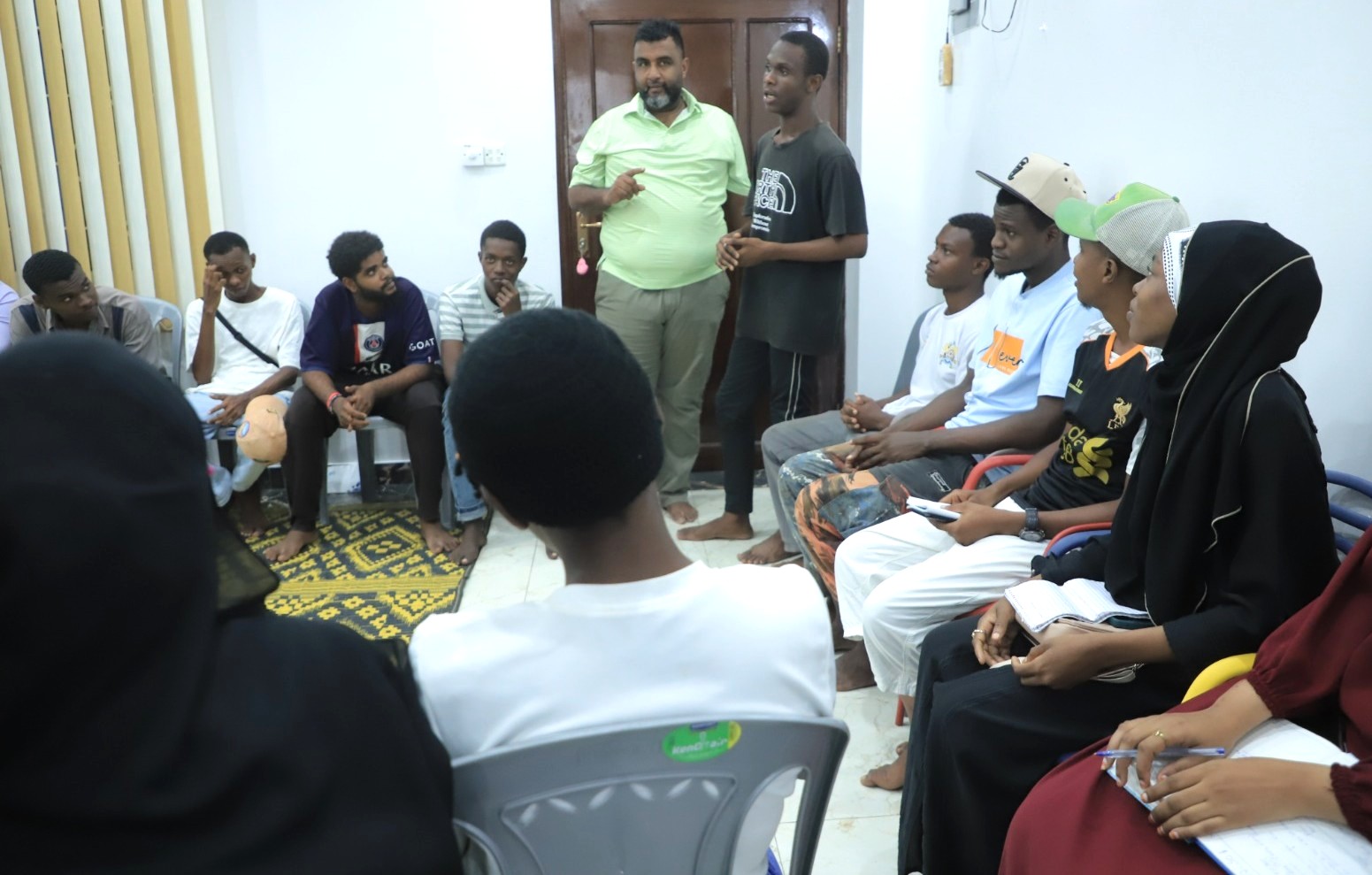
In Mombasa, Reachout Centre Trust, through its Adolescent and Young People (AYP) Project, has embraced skills empowerment as a key component of supporting young people, particularly those vulnerable to drug and substance abuse and other social challenges.
The organisation believes that prevention goes beyond awareness creation—it requires creating opportunities that allow young people to build productive futures.
Through the AYP Project, adolescents and young people are equipped with vocational and life skills designed to enhance their economic independence and self-reliance.
The programme provides training opportunities including beauty therapy and salon skills for young women, barbering skills for young men, entrepreneurship and other vocational skills that enable young people to earn a living, support their families and become positive contributors to their communities.
Reachout Centre Trust Executive Director Taib Abdulrahman says empowering young people with practical skills is essential in helping them overcome social challenges and discover their potential.
“Young people need more than just messages about avoiding negative behaviours. They need opportunities, skills and support systems that enable them to build meaningful lives. When a young person has a skill and an opportunity to earn, they gain confidence and hope for the future.”
According to Abdulrahman, skills development must be viewed as an investment in strengthening communities and preventing young people from falling into harmful environments.
“Through our Adolescent and Young People Project, we are not only working to prevent drug and substance abuse, but also empowering young people with vocational, entrepreneurship and life skills that make them self-reliant and productive members of society.”
Across Kenya, institutions, government agencies and private sector players continue to expand skills development programmes through Technical and Vocational Education and Training (TVET) institutions, innovation hubs and youth empowerment initiatives.
Technology has also become an increasingly important part of skills development. Digital literacy, online entrepreneurship, digital marketing, coding and access to technology platforms are opening new opportunities for young people to work, learn and create businesses beyond traditional employment.
Technology
As artificial intelligence and emerging technologies continue to influence the world of work, experts say young people must combine practical vocational skills with digital knowledge to remain competitive in the modern economy.
However, challenges remain. Many young people still face barriers including limited access to training opportunities, high costs of equipment, inadequate digital connectivity and a lack of mentorship and business support after completing skills programmes.
Closing these gaps requires stronger partnerships between government, learning institutions, community organisations and the private sector to ensure that skills training translates into real economic opportunities.
For many young people, acquiring a skill is more than learning a trade—it is gaining independence, dignity and the ability to shape their own future.
As Kenya commemorates World Youth Skills Day, the message is clear: investing in youth skills is investing in the country’s future.
A skilled young generation is not only better prepared for employment and entrepreneurship but is also better positioned to build safer, healthier and more resilient communities.