






















NAIROBI, Kenya—Concerns over Kenya’s readiness to respond to a potential Ebola outbreak have intensified following reports of congestion and system failures during health screening of arriving passengers at Jomo Kenyatta International Airport (JKIA).
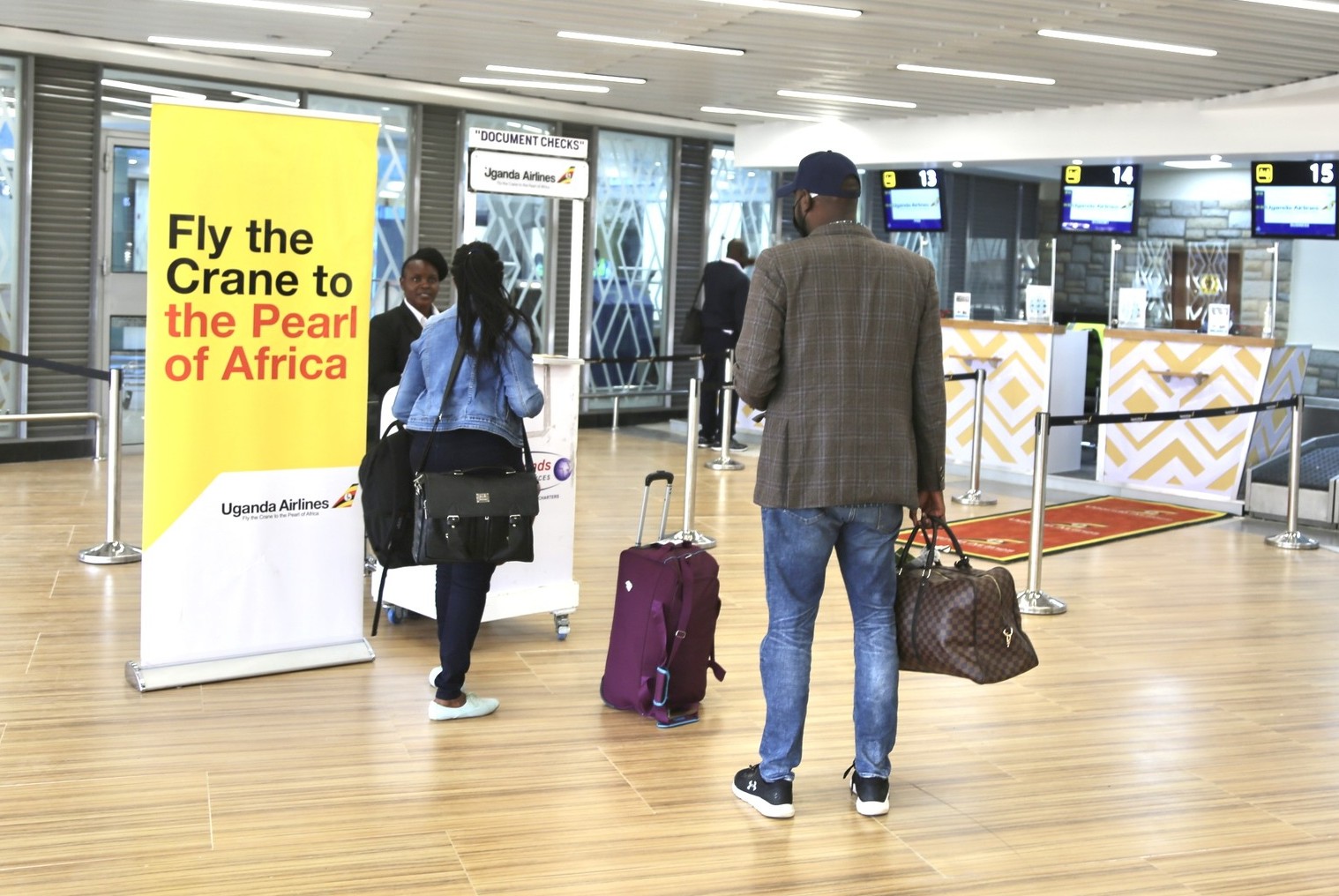
Travellers arriving in Nairobi have reported lengthy delays at designated health screening points where they are required to complete digital health declarations by scanning QR codes and submitting travel information before being cleared to enter the country.
Passengers on a recent flight from China described scenes of confusion as technical glitches and limited staffing slowed the process, forcing hundreds of travellers to queue for extended periods.
Some travellers claimed that overwhelmed officials eventually allowed a number of passengers to proceed without fully completing the required digital health declaration process.
“People were stuck for a long time and the system was not working properly. Eventually, some passengers were allowed through as officials tried to clear the backlog,” one traveller said.
The reported disruptions have raised concerns among public health observers, particularly as Kenya continues to strengthen surveillance measures against Ebola and other infectious diseases.
The developments come against the backdrop of an ongoing debate over the government’s plan to establish a 50-bed Ebola quarantine and isolation facility at Laikipia Air Base in Nanyuki.
The facility forms part of a broader national preparedness programme aimed at enhancing Kenya’s capacity to detect, isolate and manage highly infectious diseases. However, the project has attracted legal challenges and public scrutiny, with critics demanding greater transparency regarding its implementation.
Kenya has remained on heightened alert following the resurgence of Ebola in parts of the Democratic Republic of Congo (DRC), a country that has experienced several outbreaks of the disease over the past decade.
Health Cabinet Secretary Aden Duale has defended the government’s preparedness strategy, insisting that the planned facility is one of 23 quarantine and isolation centres being established across the country.
Speaking in Parliament on Wednesday, Duale said the government would proceed with the project despite opposition from some leaders and sections of the public.
“On Laikipia Air Base, it is one of the 23 quarantine isolation centres we are building, and we will not stop it,” he told lawmakers.
The Cabinet Secretary also maintained that the country had significantly strengthened border surveillance systems, revealing that more than 71,000 travellers had been screened at various entry points as part of Ebola preparedness efforts.
According to the Health Ministry, Kenya has expanded disease surveillance at airports, border crossings and health facilities while also enhancing laboratory capacity and emergency response mechanisms.
However, lawmakers remain divided over the Laikipia project and the broader preparedness strategy, with some questioning whether existing systems can effectively respond to a public health emergency.
The concerns have been amplified by the reported challenges at JKIA, which serves as Kenya’s primary international gateway and a critical frontline in the country’s disease surveillance network.
As the government continues to reassure the public about its preparedness, the incidents at the airport are likely to fuel further debate over the effectiveness of screening systems and the country’s overall readiness to respond to future disease outbreaks.