




















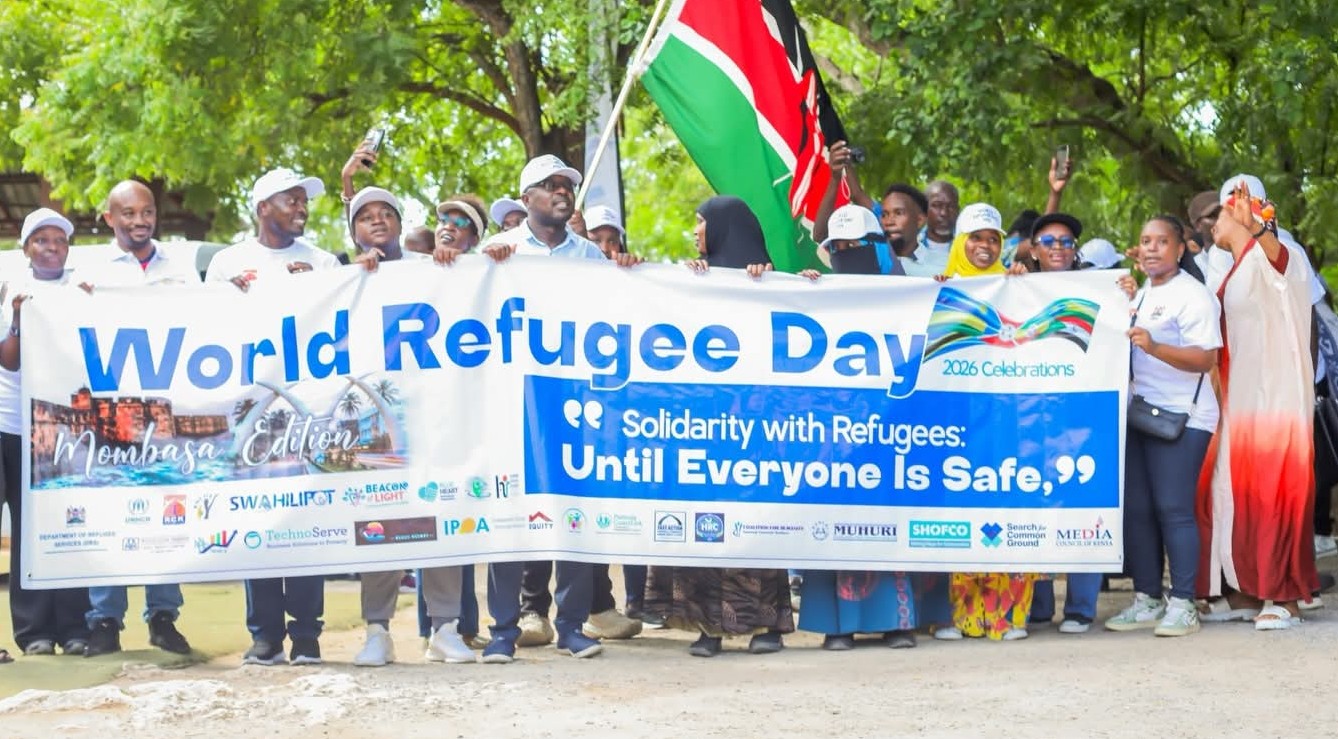
As the world marks World Refugee Day on June 20, governments, humanitarian agencies and international organisations are renewing calls for stronger global solidarity with millions of people forced to flee their homes due to conflict, persecution, violence and climate-related disasters.
The annual observance, established by the United Nations to honor the courage and resilience of refugees worldwide, comes at a time when forced displacement has reached unprecedented levels. According to UN estimates, more than 120 million people around the world have been displaced from their homes, making it one of the largest humanitarian crises in modern history.
From the ongoing conflict in Sudan to wars in Ukraine and Gaza, as well as instability in the Democratic Republic of Congo and Myanmar, millions continue to cross borders seeking safety, protection and a chance to rebuild their lives. Many refugees undertake dangerous journeys, leaving behind homes, livelihoods and loved ones in pursuit of security and hope.
This year’s World Refugee Day theme places renewed emphasis on international responsibility-sharing, with humanitarian agencies urging wealthier nations and development partners to increase support for countries hosting large refugee populations. Aid organisations argue that refugee protection should not be left to a small number of host nations but should be a shared global commitment.
While refugees are often viewed through the lens of humanitarian need, experts say their stories also reflect resilience, innovation and determination. Across the world, displaced people have established businesses, joined local workforces, excelled in sports and academia, and contributed significantly to the social and economic development of their host communities.
“Refugees are not defined by the circumstances that forced them to flee,” humanitarian advocates have repeatedly emphasized. “Given opportunities and support, they become active contributors to society and agents of development.”
Africa continues to shoulder a significant share of the global refugee burden. The continent hosts millions of refugees and asylum seekers who have fled conflict and instability in neighboring countries. Nations including Kenya, Uganda, Ethiopia and Chad have become critical sanctuaries for those escaping violence and humanitarian emergencies.
Dadaab and Kakuma
Kenya remains among Africa’s most prominent refugee-hosting countries. The country hosts hundreds of thousands of refugees, primarily from Somalia, South Sudan, the Democratic Republic of Congo, Ethiopia and Burundi. Many reside in the sprawling Dadaab and Kakuma refugee camps, which have become symbols of both humanitarian protection and the long-term challenges associated with displacement.
Located in Garissa County, Dadaab is one of the world’s largest refugee complexes, having provided shelter to generations of refugees, particularly those fleeing conflict in Somalia. Kakuma Refugee Camp in Turkana County hosts people from several countries across the region and has increasingly become a hub for education, entrepreneurship and community-led development initiatives.
In recent years, Kenya has worked alongside the United Nations High Commissioner for Refugees (UNHCR) and other development partners to promote refugee inclusion and self-reliance. Policies aimed at improving access to education, economic opportunities and social services have been viewed as important steps towards reducing dependency on humanitarian assistance.
Despite these efforts, humanitarian agencies warn that refugee support systems are facing mounting pressure. Funding shortages continue to threaten essential services including food distribution, healthcare, education and protection programmes. Aid groups say the gap between humanitarian needs and available resources is widening, leaving vulnerable populations at increased risk.
The crisis has also been compounded by climate change, which is increasingly emerging as a driver of displacement. Severe droughts, floods and environmental degradation are forcing communities to move in search of water, food and sustainable livelihoods, particularly in parts of Africa and Asia.
As World Refugee Day is commemorated across the globe, leaders and humanitarian organisations are urging governments, institutions and individuals to reject discrimination, promote inclusion and uphold the rights of people seeking refuge.
For millions of displaced people around the world, the day is not only a recognition of their resilience but also a reminder that the search for safety, dignity and opportunity continues. It is a call for collective action at a time when global displacement is rising and humanitarian needs are greater than ever before.
In a world increasingly shaped by conflict, economic uncertainty and climate-related crises, the message of World Refugee Day remains clear: protecting refugees is not solely the responsibility of host countries but a shared obligation that requires global cooperation, compassion and sustained commitment.