























MOMBASA, County—A rise in school fires across Kenya has sparked concern among education officials, child protection experts and peacebuilding organisations, who say the incidents reflect deeper social and behavioural challenges affecting young people.
Stakeholders say the trend highlights gaps in support systems at home, in schools and within communities, calling for a coordinated response to address student welfare, discipline and mental wellbeing.
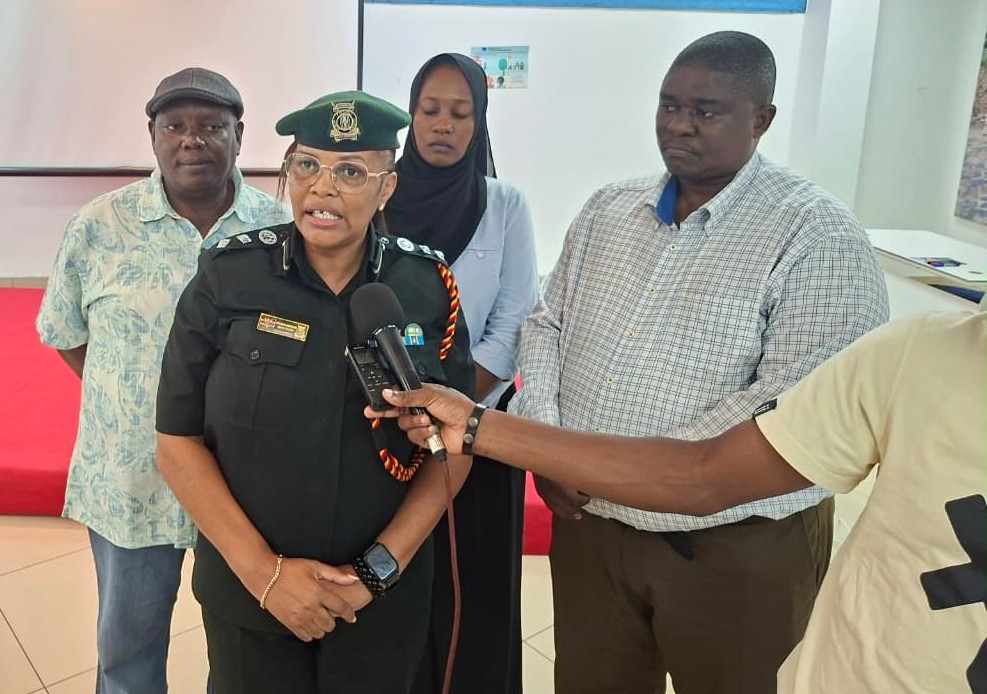
The concerns were raised during a stakeholder forum in Mombasa organised by Search for Common Ground under its youth-focused “Talk to Me” project, which brought together government agencies, schools, civil society groups and child protection institutions.
The meeting came in the wake of a deadly fire at Utumishi Girls Academy that claimed the lives of 16 students, reigniting national debate on school safety and youth engagement.
Search for Common Ground officer, Wahida Mohammad said the programme is targeting 94 youths aged between 13 and 18 years in its latest phase, aimed at equipping them with leadership and peacebuilding skills.
“We want to equip them with leadership and peacebuilding skills so they can return to their communities and create positive change among their peers,” she said.
Mohammad noted that lessons from earlier phases of the programme revealed gaps in sustainability and coordination, prompting a shift towards working through existing structures such as Amani Peace Clubs and children’s assemblies.
The National Cohesion and Integration Commission (NCIC) warned that unresolved tensions among young people could have wider social and political consequences if not addressed early.
NCIC official Mohammed Hamisi said schools with active peace clubs reported fewer incidents of unrest compared to those without such programmes.
“We have observed that many schools affected by serious incidents do not have peace clubs. Strengthening these initiatives is key to promoting dialogue and stability,” he said.
Child protection expert and senior superintendent of prisons Professor Justina Wawasi Mwang’ombe said school unrest often reflects broader family and societal challenges, including weak parental supervision and rising exposure to digital risks.
“The child is a product of the environment,” she said. “What we see in schools is often a reflection of what is happening within families and communities.”
She urged stronger digital literacy programmes in schools and closer collaboration with agencies such as the Communications Authority of Kenya to promote responsible technology use among learners.
Civil society representatives also called for improved relationships between students and school administrations, arguing that strained communication often fuels frustration and unrest.
Community activist Simon Katee said schools should create safe spaces where students feel heard and supported.
“When children feel ignored or disconnected, frustrations build up,” he said.
Stakeholders agreed that preventing school unrest requires joint action from parents, teachers, government agencies, community leaders and young people.
The Search for Common Ground programme will run for three years and aims to strengthen youth leadership, peacebuilding and community dialogue across Kenya, with participants expected to lead initiatives within their communities.