
















Why more taxes when government is spending billions? Leaders accuse government of wasteful expenditure as battle over proposed taxes intensifies
A fierce political battle is brewing over the proposed 2026 Finance Bill, with leaders aligned to the ODM-backed Linda Mwananchi movement accusing the Kenya Kwanza administration of imposing a heavier tax burden on struggling Kenyans while allegedly failing to curb wasteful government expenditure.
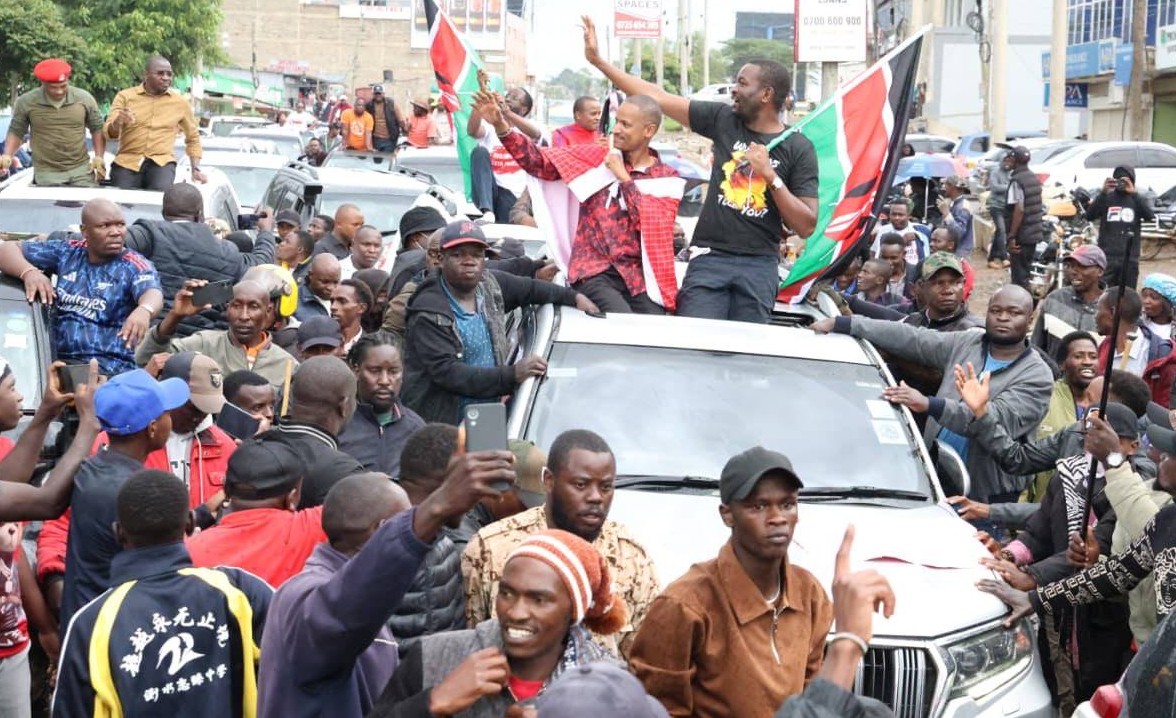
The leaders, among them ODM Deputy Party Leader Godfrey Osotsi, ODM Secretary-General Edwin Sifuna and Embakasi East MP Babu Owino, have mounted a spirited campaign against the Bill, arguing that the government should first reduce its own spending before asking citizens to contribute more through taxation.
Their criticism comes at a time when many households continue to grapple with the rising cost of living, high food prices, increased utility bills and shrinking disposable incomes.
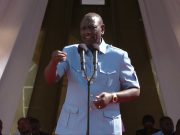
Addressing supporters, Osotsi questioned what he described as excessive expenditure at State House, saying previous administrations had demonstrated that government could function effectively with significantly lower operational costs.
“There is a lot of wastage in government. Can you imagine State House uses KSh18 billion in a year, yet Kibaki showed us that you can run State House with even KSh3 billion, and it still delivers,” said Osotsi.
Sifuna echoed the concerns, accusing the government of prioritising spending at the top while ordinary Kenyans continue to shoulder the burden of taxation.
“It is unacceptable. How can one person alone spend KSh17 billion while Kenyans are suffering out here? He says he cannot reduce taxes, yet you hear he is moving around giving one young man KSh2 million, another KSh10 million, and KSh5 million to a church. Where do you think that money comes from?” Sifuna posed.
Finance Bill 2026
At the centre of the political storm is the 2026 Finance Bill, which is expected to outline government revenue proposals and taxation measures aimed at financing public expenditure.
However, opposition leaders argue that additional taxes will only deepen the economic hardships already facing millions of citizens.
Babu Owino warned that the proposed measures could have far-reaching consequences for vulnerable groups across the country.
“The Finance Bill is coming. Where will this Finance Bill take our lives? It will punish children, it will punish women. That is why we are saying reject the Finance Bill,” he said.
The leaders further called on Members of Parliament from both the government and opposition benches to reject the Bill when it comes before the National Assembly.
In remarks that underscored the growing political tension surrounding the legislation, Osotsi warned that lawmakers who support the Bill could face resistance from voters, particularly young people who have become increasingly active in governance and accountability debates.
“If you are a Member of the National Assembly, under the Linda Mwananchi movement your vote should be a ‘No’ to the Finance Bill. Any MP—whether from the government or opposition—who votes ‘Yes’, we will ask Gen Z to occupy their homes,” he asserted.
Growing National Debate
The emerging opposition to the Finance Bill reflects a broader national conversation about taxation, public spending and accountability in government.
While the government maintains that revenue collection remains necessary to finance development programmes and public services, critics argue that greater efforts should first be made to eliminate waste, reduce non-essential expenditure and ensure value for taxpayers’ money.
As Parliament prepares to debate the proposed legislation, the Finance Bill is shaping up to be more than a fiscal document. It has become a test of public trust, government priorities and the economic realities facing millions of Kenyans.
For many citizens, the question remains straightforward: should the government tighten its own belt before asking taxpayers to tighten theirs?