























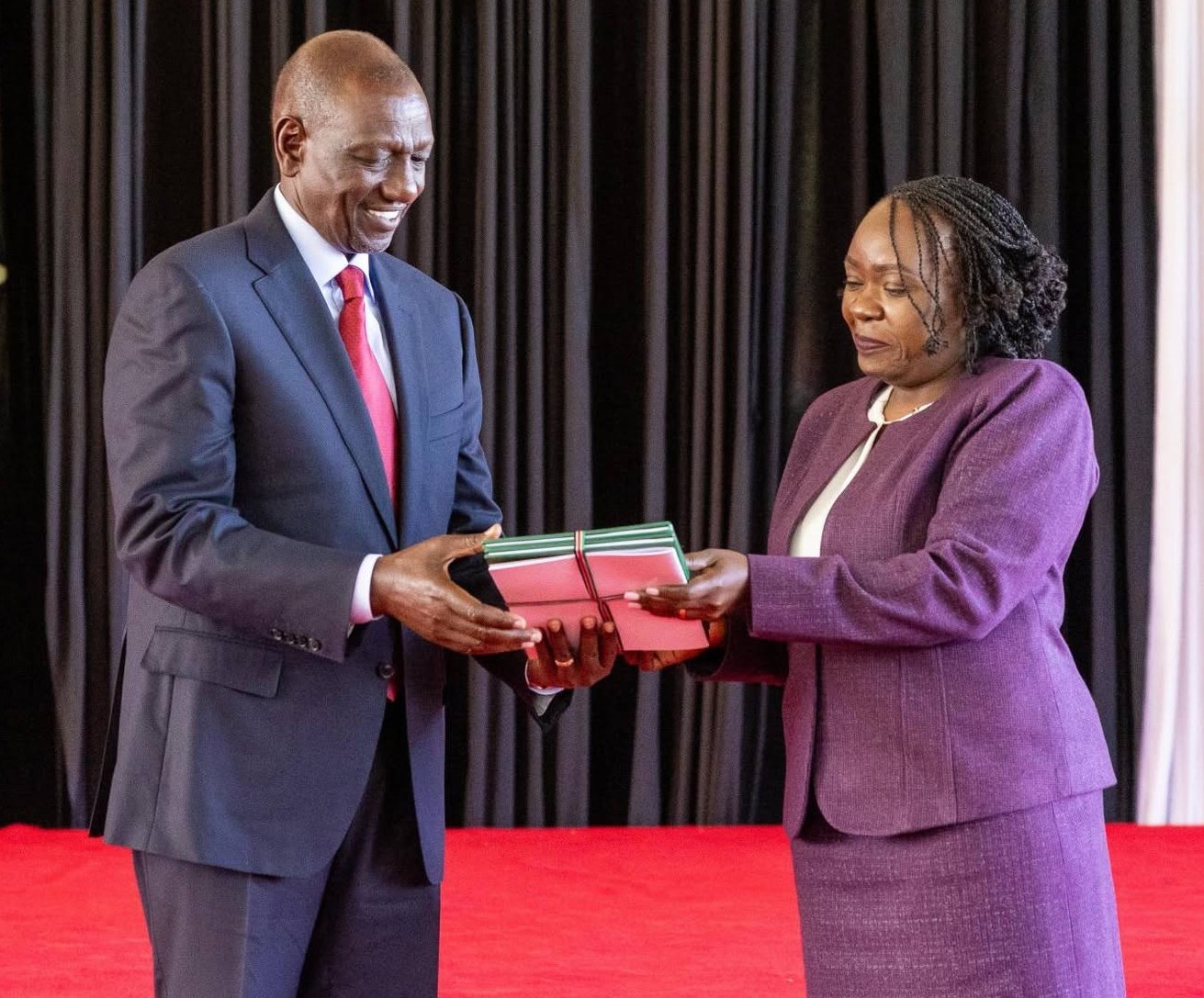
NAIROBI, Kenya—The government’s decision to establish a KSh2 billion compensation fund for victims of state violence was intended to mark a significant step towards healing and reconciliation. Instead, it has exposed a deeper debate about justice, accountability and the legacy of the deadly 2024 Gen-Z protests.
While survivors and victims’ families have welcomed the acknowledgement of state excesses, many insist that compensation alone cannot address the pain, trauma and unanswered questions surrounding the deaths, injuries, abductions and disappearances linked to the demonstrations.
Their concerns gained fresh relevance this week after an Independent Policing Oversight Authority (IPOA) investigator testified in the inquest into the death of Rex Masai, one of the most prominent victims of the June 2024 anti-Finance Bill protests.
Appearing before the Milimani Law Courts, IPOA Principal Investigator Justin Nyatete told the court that investigators were unable to conclusively identify the police officer who fired the fatal shot that killed Masai. According to the testimony, crucial forensic evidence and CCTV footage that could have assisted investigations were either unavailable, missing or not collected.
The revelation has renewed concerns among human rights defenders and victims’ families about the pace and effectiveness of efforts to hold those responsible accountable.
For the family of Rex Masai, whose death became a symbol of the violent crackdown on protesters, the inability to identify the shooter highlights what many victims see as the greatest weakness in the government’s reparations framework: the absence of justice.
The Coalition of Victims and Survivors Against State Violence says the compensation programme announced by the government fails to adequately address accountability for those responsible for killings, torture, enforced disappearances, abductions and other alleged violations.
Survivors have also rejected what they describe as an incomplete apology from the state, arguing that acknowledgement without direct engagement with victims falls short of meaningful reconciliation.
“Because the brutality and excesses were personal, the apologies should also be personal,” survivor advocate Nick Karanja said following the announcement.
2 Billion Fund
The compensation framework provides for a KSh2 billion fund to address more than 1,100 claims involving deaths, injuries, torture, abductions and enforced disappearances. However, questions have emerged over how beneficiaries will be identified, how compensation amounts will be determined and when payments will be made.
Human rights organisations have raised concerns over the lack of publicly available information regarding the compensation process. Some activists argue that transparency is essential, particularly given claims that some victims remain hospitalised, others are still in custody and several cases of alleged disappearances remain unresolved.
Vocal Africa Chief Executive Officer Hussein Khalid has questioned whether the current process adequately reflects the concerns of victims and their families, arguing that accountability and transparency must remain central to any reparations programme.
The Debate
The debate reflects a broader principle recognised in international human rights law: reparations are only one pillar of justice. Experts often point to four interconnected elements of transitional justice—truth, accountability, reparations and guarantees of non-recurrence.
In the absence of accountability, critics argue, compensation risks being perceived as an attempt to close a painful chapter without fully confronting the circumstances that led to the violations.
That concern is particularly pronounced in the case of the 2024 protests, where allegations of excessive use of force by security agencies continue to dominate public discourse. Human rights groups have repeatedly called for thorough investigations into deaths, injuries, abductions and alleged attacks on protesters.
For survivors, the central question remains unresolved: if the state acknowledges that violations occurred, who will be held responsible?
The answer may determine whether the compensation programme is remembered as a milestone in the pursuit of justice or as a financial settlement that failed to address the deeper demands of accountability.
With survivors now demanding greater transparency and warning of fresh demonstrations should their concerns remain unaddressed, the debate over reparations is increasingly becoming a debate about justice itself.
For many victims and their families, compensation may provide recognition and relief. But without truth, accountability and credible investigations, they argue, justice remains incomplete.