





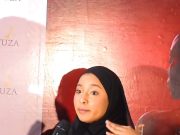







For Rehema Muramba, the first sign that something was wrong came when her 10-month-old baby suddenly stopped breastfeeding.
At first, she did not think much of it. But soon, her breast became increasingly painful, particularly whenever she tried to breastfeed. The pain, she recalls, felt like a wound that had burst from inside.
The resident of Kakoneni, Malindi, sought medical attention, beginning a nearly year-long journey through hospitals, medication, and uncertainty.
She was initially diagnosed with mastitis and cysts and put on medication. But her condition did not improve.
It was not until September 2025 that she received the diagnosis that would change her life: stage-three breast cancer.
“I had to accept the result, take it positively, and start the treatment journey,” Ms Muramba says.
She underwent eight cycles of chemotherapy followed by surgery. Radiotherapy was next, but before she could begin, she noticed small lumps returning in her breast.
She went back to her doctor and was referred to Nairobi for a PET scan. She was subsequently put on a three-month course of injections, which she was still receiving when she spoke about her experience.
But for Ms Muramba, cancer was not just a battle against the disease.
It was also a battle to raise money for transport, food and other costs associated with treatment.
When treatment itself becomes a burden
Travelling from Malindi to Mombasa for treatment meant finding money not only for herself but, at times, for the person accompanying her.
“Cancer treatment is expensive,” she says.
Unemployed at the time, Ms Muramba depended on her husband and relatives to raise money for transport and other basic needs as she continued with treatment.
Her circumstances reflect a challenge faced by many cancer patients in rural and low-income communities, where receiving a diagnosis is only the beginning.
For some, the distance to specialised facilities, the cost of transport and other expenses can determine whether treatment is started or completed.
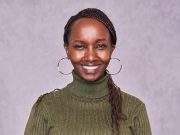
It was during this difficult period that Ms Muramba met Charity Karimi, the founder of Malindi Hands of Hope, a community-based organisation supporting people affected by cancer.
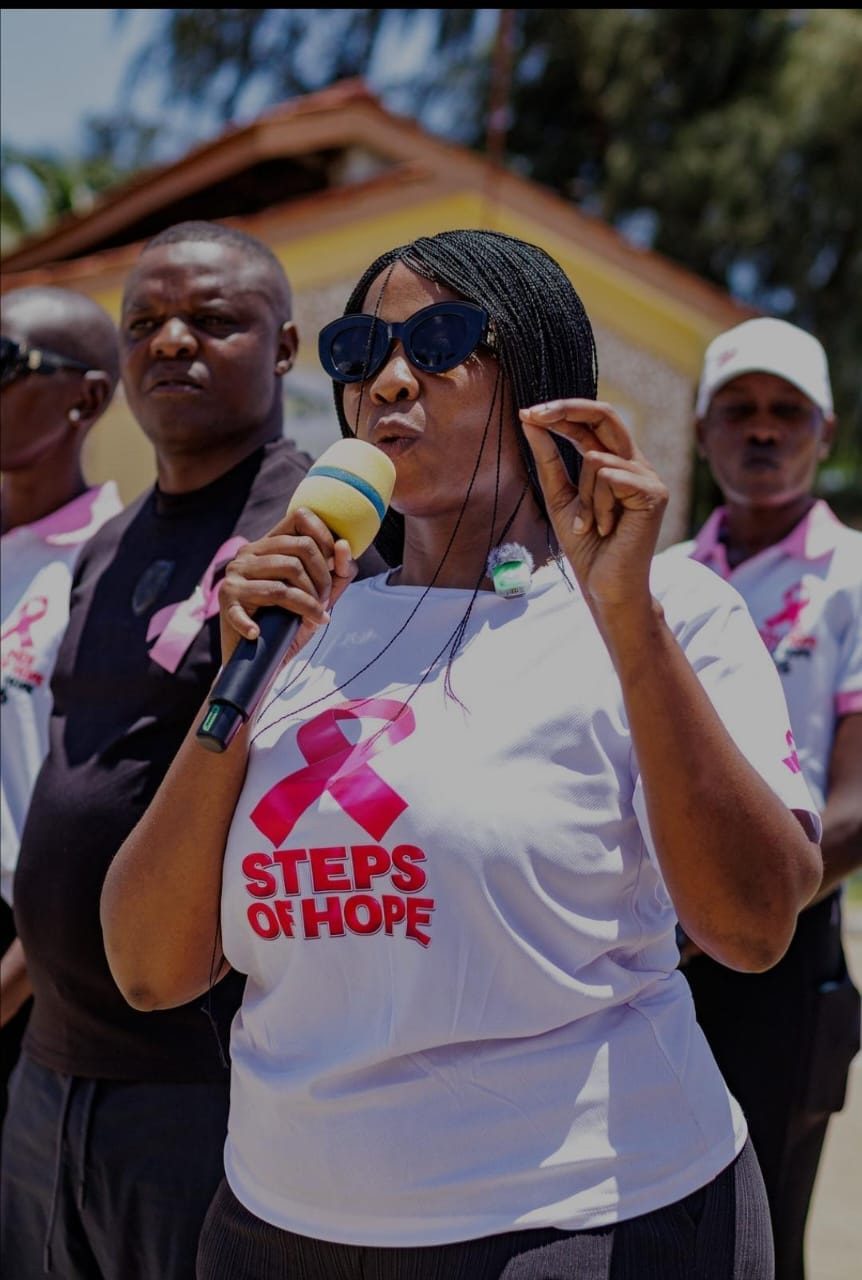
Ms Karimi’s involvement in cancer support began almost by accident.
She had planned to organise a fundraising event for cancer survivors to help them reintegrate into the community. But as she searched for survivors to support, she encountered women facing a more immediate problem.
“I started by accident. It was just a fundraising event meant to help some survivors find their way back into the community and get through treatment. But while organising the event, I did not meet the survivors I needed. Instead, I met women who had not had a chance to get treatment,” she says.
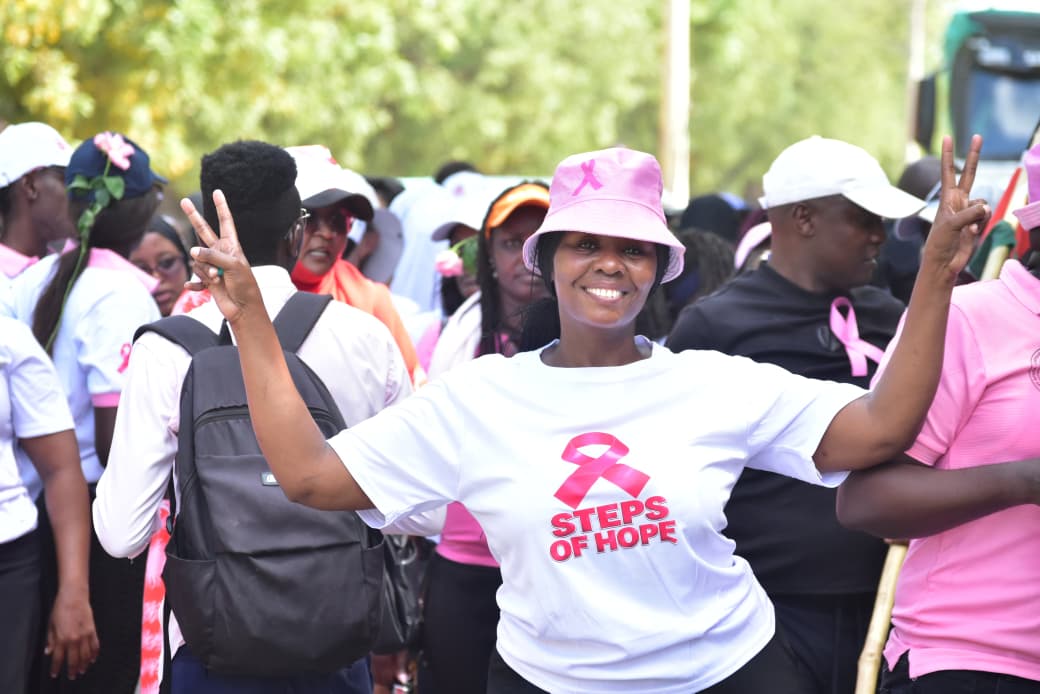
The experience changed her plans and eventually led to the establishment of Malindi Hands of Hope.
“I realised there are a lot of women in the community who are suffering in silence because they cannot even afford the medical treatment that comes with cancer,” she says.
From diagnosis to survival
Ms Muramba became one of the women the organisation encountered.
Through Malindi Hands of Hope, she received help with transport and medical expenses and was also assisted to access Social Health Authority (SHA) coverage for a year.
The support came at a time when she was dealing not only with the physical effects of treatment but also the fear and uncertainty associated with a cancer diagnosis.
“When the family realises that you are diagnosed with cancer, they think that is the end of your journey. They see death,” she says.
But Ms Muramba chose to hold on to hope.
“I never lost hope, and I asked my family to stand with me.”
Her husband and relatives supported her as much as they could before additional assistance came.
Today, she says her health has improved compared with the period before she began treatment.
Her experience also highlights how easily early warning signs can be mistaken for less serious conditions.
After her baby stopped breastfeeding, a doctor advised her to express the breast milk. She did so for about two months, but the milk kept coming.
That was when she became convinced something was wrong.
She returned to hospital, setting in motion the chain of consultations and treatment that eventually led to her cancer diagnosis.
A journey that is not always straightforward
Ms Muramba’s experience is shared by other women in Kilifi.
Linet Neema, from Soweto in Malindi, noticed lumps in her breast in May 2025.
She went to the hospital and was given medication. But after completing the prescribed dose, the lumps remained.
She returned for further help and was referred to Malindi General Hospital for screening.
However, when she arrived, she says, the screening service was unavailable.
She eventually sought help at a private facility, where she paid Sh3,000 for cancer screening.
By July, she had been diagnosed with stage-two breast cancer.
She is still undergoing treatment.
Despite the difficulties, Ms Neema has a message for other women.
“Cancer does not kill; just get treatment. It is good to accept the situation and never lose hope,” she says.
Late diagnosis remains a concern.
The experiences of Ms Muramba and Ms Neema come against a backdrop of concern over the late breast cancer diagnosis in Kenya.
Data from the Kenya National Cancer Registry (NaCaRe-KE) show that among breast cancer cases with documented staging between 2020 and 2023, 31.4 per cent were diagnosed at stage three, while 37.2 per cent were at stage four.
The National Cancer Institute of Kenya says late detection reduces the chances of survival, while early detection and prompt treatment can improve outcomes.
In Kilifi, the gap in breast cancer examination is also evident.
The 2022 Kenya Demographic and Health Survey found that only nine per cent of women aged 15 to 49 in the county had ever been examined by a healthcare worker for breast cancer.
For Ms Muramba and Ms Neema, the warning signs were there. But getting from noticing a change in their breasts to receiving a diagnosis was not always straightforward.
Beyond the cost: Fighting stigma
For Ms Karimi, however, the challenge goes beyond the cost of treatment.
Stigma, fear and misinformation continue to prevent some women from seeking medical attention.
In some communities, she says, cancer is still associated with death, causing women to remain in denial or avoid hospitals even when symptoms become advanced.
“There is a lot of stigma in the village. We even found women with advanced symptoms of cancer, but they don’t want to go to the hospital. They are so scared, so in denial,” she says.
Some women, she adds, also lack basic information about cancer and what a diagnosis means.
“It has been a very big challenge to try and convince them they can live beyond cancer.”
Ms Karimi says a cancer diagnosis can make patients feel as though their lives have come to an end. In some cases, even relatives withdraw their support.
For her, therefore, cancer awareness should not end with encouraging women to go for screening.
Patients also need emotional, psychosocial, and practical support to remain on treatment.
Knowing the warning signs
The World Health Organisation says breast cancer may present through changes such as a lump or thickening in the breast, changes in breast size or shape, alterations to the skin or nipple, or abnormal or bloody discharge.
People who notice an abnormal breast lump are advised to seek medical attention, even when it is not painful.
The Ministry of Health similarly encourages people to have unusual breast changes assessed at a health facility rather than ignoring them.
For women like Ms Muramba and Ms Neema, recognising such changes was the first step in a journey that would eventually lead to treatment.
Keeping hope alive
Ten months after it was established, Malindi Hands of Hope has supported 10 women living with cancer, helping them access or remain on treatment despite financial difficulties.
For Ms Karimi, the experience has reinforced one message: a cancer diagnosis should not become a death sentence.
“Cancer is not the end of the world,” she says.
For Ms Muramba and Ms Neema, treatment continues.
So does the fight for a future beyond cancer.