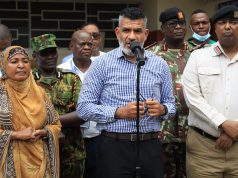

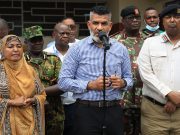



















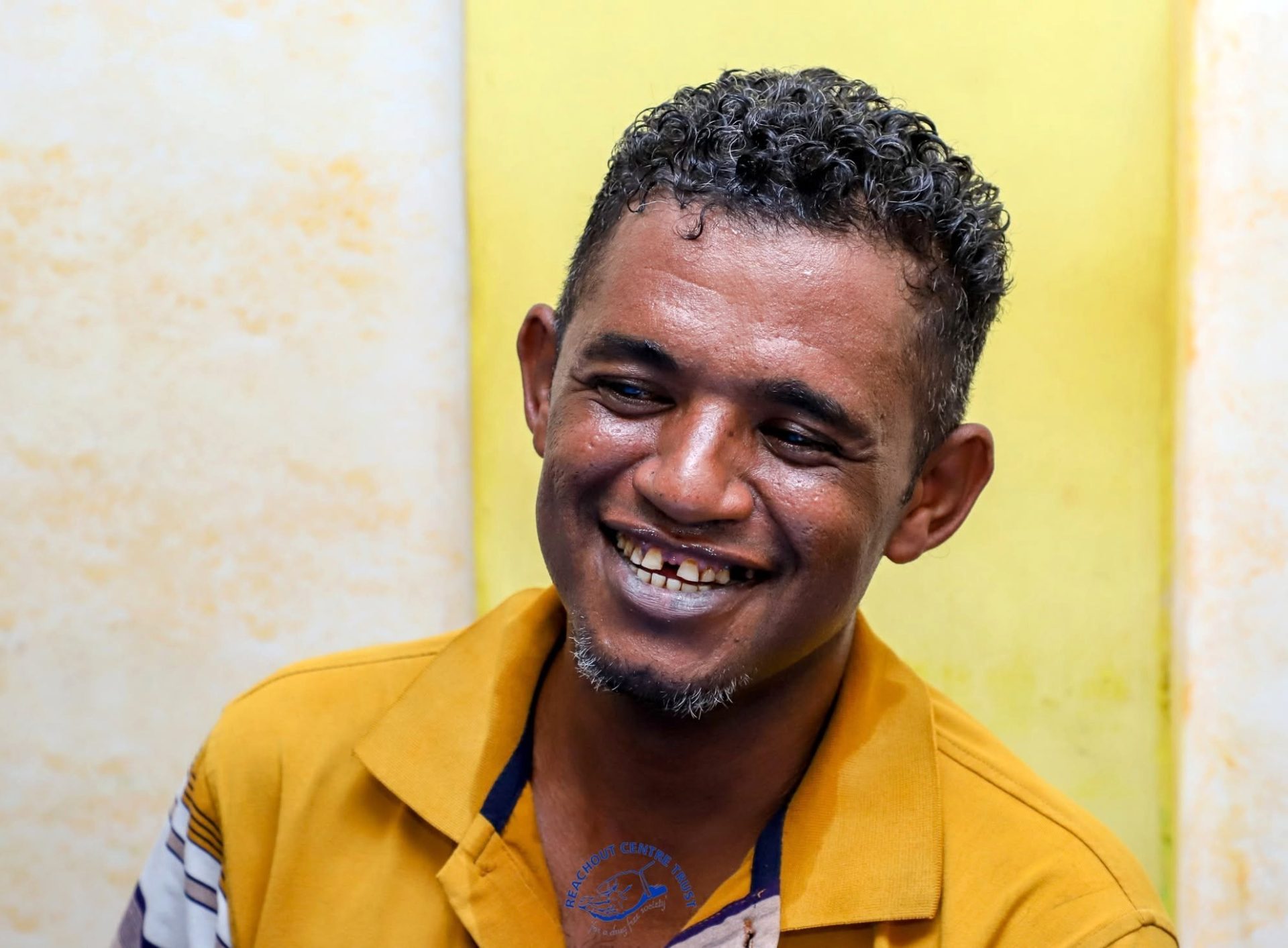
For nearly two decades, addiction pushed Murad Swaleh to the brink of despair. Chased from home and consumed by hopelessness, he sought solace among graves and prayed for death. Today, he is reunited with his family, working to help others recover, and living proof that no life is beyond redemption.
There was a time when Murad Swaleh no longer saw a future for himself.
For nearly twenty years, drugs and substance abuse held him captive, stripping away everything he once cherished. The addiction robbed him of his dignity, severed family ties, and pushed him into a world where despair became his daily companion.
What began as a struggle gradually evolved into a nightmare.
Repeated attempts to break free from addiction ended in disappointment. Each promise to quit was followed by another relapse. Each new beginning seemed to lead back to the same darkness.
As the years passed, Murad lost more than his health.
He lost the trust of those closest to him.
He lost the comfort of home.
He lost the simple joy of being a father and family man.
Eventually, his family could no longer bear the pain and uncertainty that accompanied his addiction. He was chased away from home, left to survive on the streets and in drug dens where hopelessness thrived.
Looking back today, Murad speaks openly about the depths of despair that addiction pushed him into.
“There were moments when life felt completely meaningless,” he recalls.
The pain became so overwhelming that he frequently sought refuge in graveyards, spending days and nights among the tombstones.
There, surrounded by silence and death, he prayed for his own life to end.
He believed the world had given up on him.
He believed his family would be better off without him.
But unknown to Murad, his story was far from over.
A Hand That Refused to Let Go
At one of the lowest points in his life, outreach workers from Reachout Centre Trust encountered him during their community interventions targeting people affected by drugs and substance abuse.
Their mission was simple yet profound: restore hope where society often sees none.
The team approached Murad with an offer of counselling, treatment, rehabilitation, and eventual reintegration into family and community life.
But Murad was not ready.
Years of addiction had built walls of mistrust and resistance.
He rejected assistance.
At times, he became hostile and aggressive towards those trying to help him.
Yet the Reachout Centre Trust team remained unwavering.
Where others saw a lost cause, they saw a human being deserving of dignity and another chance.
Eventually, Murad agreed to begin treatment and recovery.
The journey, however, was anything but straightforward.
Like many individuals battling addiction, he experienced setbacks. He relapsed and returned to the drug dens he had tried so desperately to escape.
Still, the Reachout team continued searching for him.
They reached out again.
And again.
And again.
Not with judgment, but with patience, understanding, and unwavering commitment.
It was this persistence that would ultimately change the course of his life.
The Miracle of a Second Chance
Today, the man who once waited for death in graveyards wears a smile that reflects renewed purpose and hope.
Murad is sober.
He is reunited with his family.
He has rebuilt relationships with his children.
And remarkably, he now works with the very organisation that helped save his life.
“It was not easy for me and even for the Reachout Centre Trust staff. But look at me now—completely healed and energetic,” says Murad emotionally.
“I have my family back, my lovely children whom I adore day and night, and today I am also a staff member at Reachout Centre Trust.”
His gratitude remains deeply rooted in the second chance he was given.
“I thank God for giving me another opportunity to live. Reachout Centre Trust never gave up on me. Today I can help myself, support my family, and serve the community through advocacy and as a member of the Community Advisory Board fighting drugs and substance abuse.”
For Murad, recovery did not simply mean overcoming addiction.
It meant rediscovering his identity, restoring broken relationships, and finding purpose in helping others avoid the path he once travelled.
Twenty-Five Years of Restoring Dignity
According to Reachout Centre Trust Executive Director Taib Abdulrahman, Murad’s story mirrors hundreds of others the organisation has encountered during its 25 years of service.
For a quarter of a century, the organisation has worked tirelessly to rehabilitate people trapped in addiction, helping them regain their dignity, livelihoods, and place within their families and communities.
“Many of those affected by drugs abandon their homes and end up living in drug dens. Our work has always been to help them recover, rebuild their lives and successfully reintegrate into their families and society,” says Abdulrahman.
He notes that recovery is most successful when communities, government institutions, and development partners work together.
To strengthen these efforts, Reachout Centre Trust collaborates with organisations such as the Kenya Red Cross Society (KRCS), alongside both National and County governments, to promote policies that ensure people affected by substance use disorders are treated with dignity and supported throughout their recovery journey.
A Growing Crisis Among Children
Even as recovery stories like Murad’s inspire hope, Abdulrahman warns of an emerging crisis that demands urgent intervention.
The organisation is increasingly encountering children as young as 12 years who have already been introduced to drugs and substance abuse.
The trend, he says, signals a troubling shift that requires society to rethink its response.
“Following the low age bracket of people using drugs—some as young as 12 years—we are now accelerating our efforts more towards prevention rather than treatment because the situation is dire in our communities and in our schools,” he states.
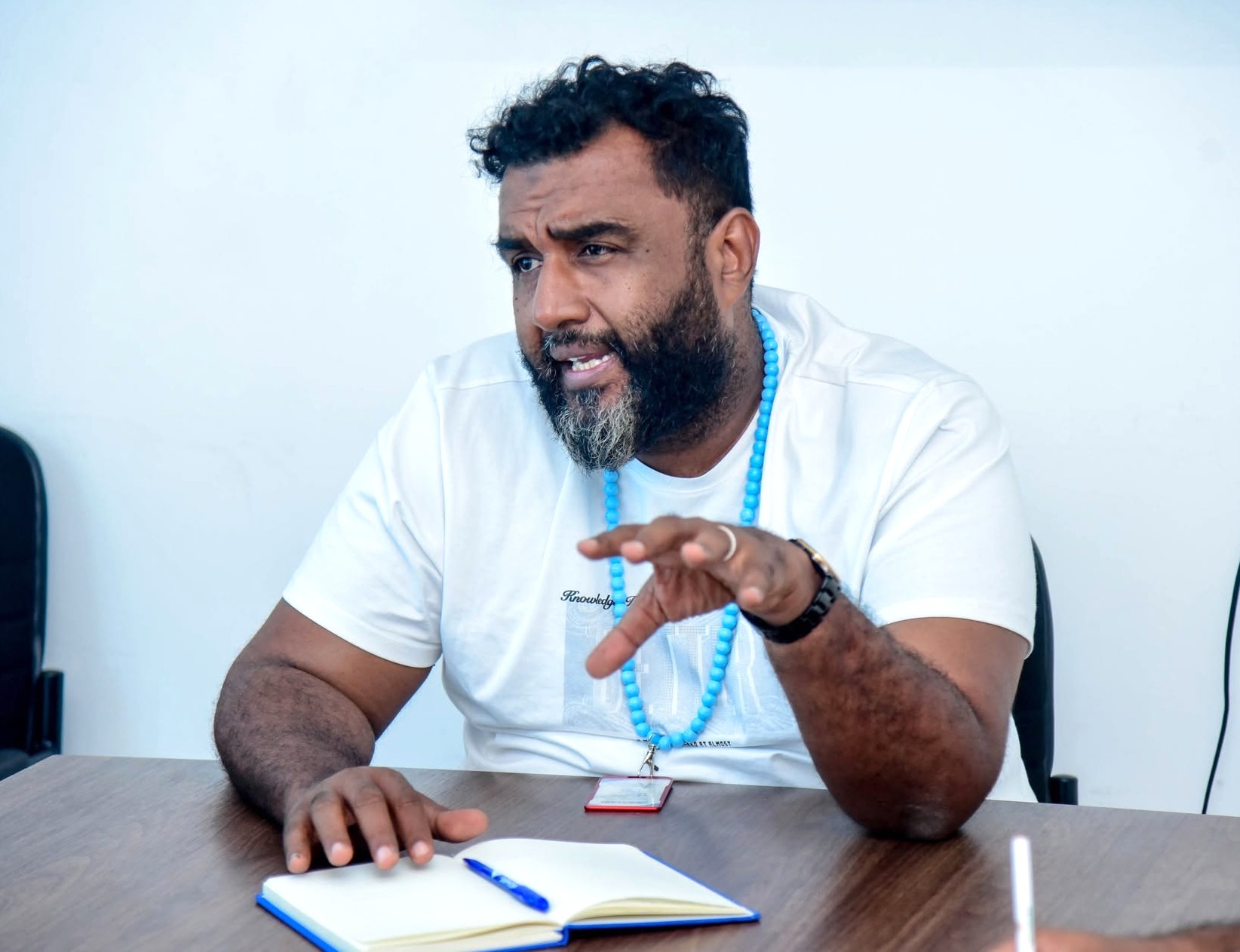
[Reachout Centre Trust Executive Diretor Taib Abdulrahman during the interview in his office. He has warned that the age bracket of which people are indulging in drugs has reduced upto 12 years, thus the need to accelerate prevention efforts within the community and in schools. Photo/Joseph Ngala/June 24, 2026].
The warning serves as a reminder that while rehabilitation remains critical, preventing young people from entering the cycle of addiction in the first place may be the most effective solution.
Beyond Recovery
As the world prepares to mark the International Day Against Drug Abuse and Illicit Trafficking (IDADA), Murad’s story offers a powerful lesson.
Behind every person struggling with addiction is a human being whose dreams, family, and dignity remain worth fighting for.
His journey from graveyards and drug dens to family reunification and community leadership demonstrates that recovery is possible when compassion replaces stigma and support replaces abandonment.
Today, Murad Swaleh stands not as a victim of addiction, but as living proof that even in the darkest moments, hope can still find a way back home.