























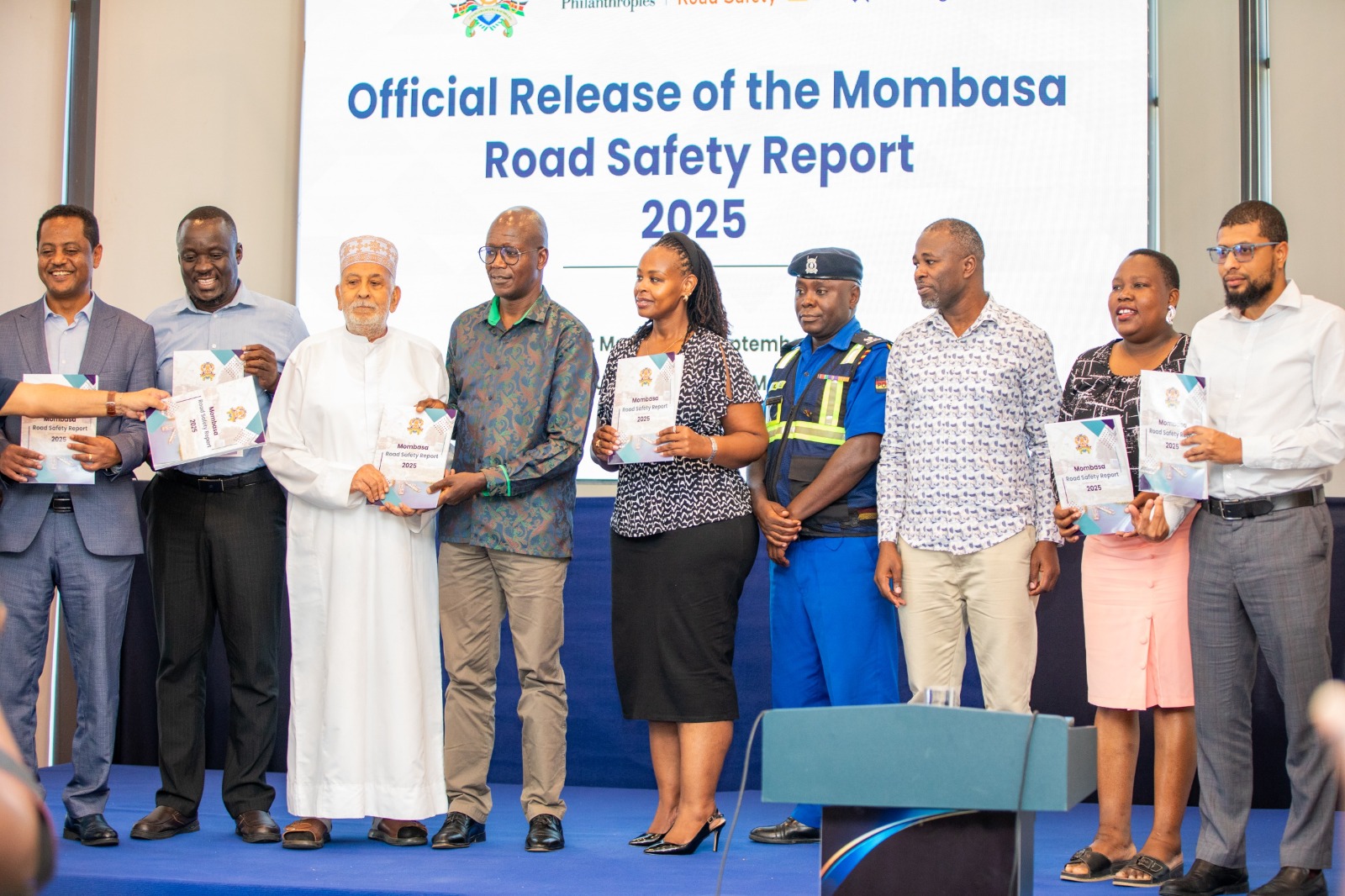
Mombasa recorded a 15 per cent decline in reported road crashes and serious injuries in 2025 compared with the previous year, although 84 people still died in road accidents across the county.
The figures are in the Mombasa Road Safety Report 2025, released on Monday by Deputy Governor Francis Thoya.
Thoya attributed the improvement to ongoing road safety interventions but said more effort was required to protect road users along accident-prone routes.
“Sustaining this progress will require renewed commitment from all stakeholders,” Thoya said, calling on the National Police Service, National Transport and Safety Authority (NTSA), county departments and development partners to strengthen road safety measures.
The report identifies the Mombasa-Nairobi Road, Mombasa-Malindi Road, Makupa Causeway, Likoni-Ukunda Road and Port Reitz-Airport Road as the county’s five leading fatal crash corridors.
Vulnerable road users accounted for a substantial proportion of the deaths recorded.
Users of two- and three-wheelers represented 44 per cent of reported fatalities, while pedestrians accounted for 37 per cent. Men represented 86 per cent of those killed, with people aged between 30 and 39 years frequently affected.
Road design and enforcement
County Executive Committee Member for Transport and Infrastructure Daniel Manyala linked the reduction in crashes to stronger cooperation between the county government, police, NTSA, Bloomberg Philanthropies and other road safety partners.

Manyala said safety campaigns had also contributed to the improvement, noting that December 2025 recorded no reported road fatalities in the county.
He said authorities were incorporating safety features into road designs, particularly along routes with significant pedestrian activity.
One example is Koinange Road in Tudor, where authorities introduced safety measures after identifying several schools along the road.
Manyala said access roads designed by the county between 2024 and 2025 also incorporated infrastructure for pedestrians and cyclists.
He, however, warned that road safety gains could come under pressure during the 2026 election period because of increased political activity and risky behaviour such as speeding and passengers hanging onto vehicles.
Cycling infrastructure
Manyala also defended the county’s investment in non-motorised transport infrastructure, saying road planning must reflect the number of residents who depend on walking as their main mode of transport.
He said approximately 60 per cent of Mombasa residents primarily walk to their destinations.
The county is implementing a cycling lane along Links Road and Fidel Odinga Road in Nyali, a project that has attracted concerns from some stakeholders.
Manyala said the project was not intended exclusively for cyclists but was designed to create space for motorists, pedestrians and cyclists.
Under the proposed design, motorists would have six metres of road space, with the remaining sections allocated to pedestrians and cyclists.
“Roads belong to all of us,” Manyala said, urging residents to support infrastructure designed to accommodate different categories of road users.
Speeding remains a challenge
NTSA Coast Regional Manager Caroline Sankan said the decline was encouraging but noted that pedestrians continued to face significant risks.

She called for increased investment in non-motorised transport infrastructure and closer coordination between agencies.
Sankan identified speeding, particularly among public service vehicle operators, as a major contributor to road crashes.
More than 500 matatu drivers and other public service vehicle operators have undergone road safety training and sensitisation, she said.
“Speed continues to be one of the leading causes of traffic crashes,” Sankan said, adding that NTSA had encountered vehicles with malfunctioning speed governors and cases of operators exceeding prescribed limits.
The authority plans to strengthen enforcement and continue engaging public transport operators.
Using data to target interventions
Mombasa County Traffic Officer Antony Nyongesa said the report would enable authorities to identify locations and periods associated with increased risk and direct interventions accordingly.
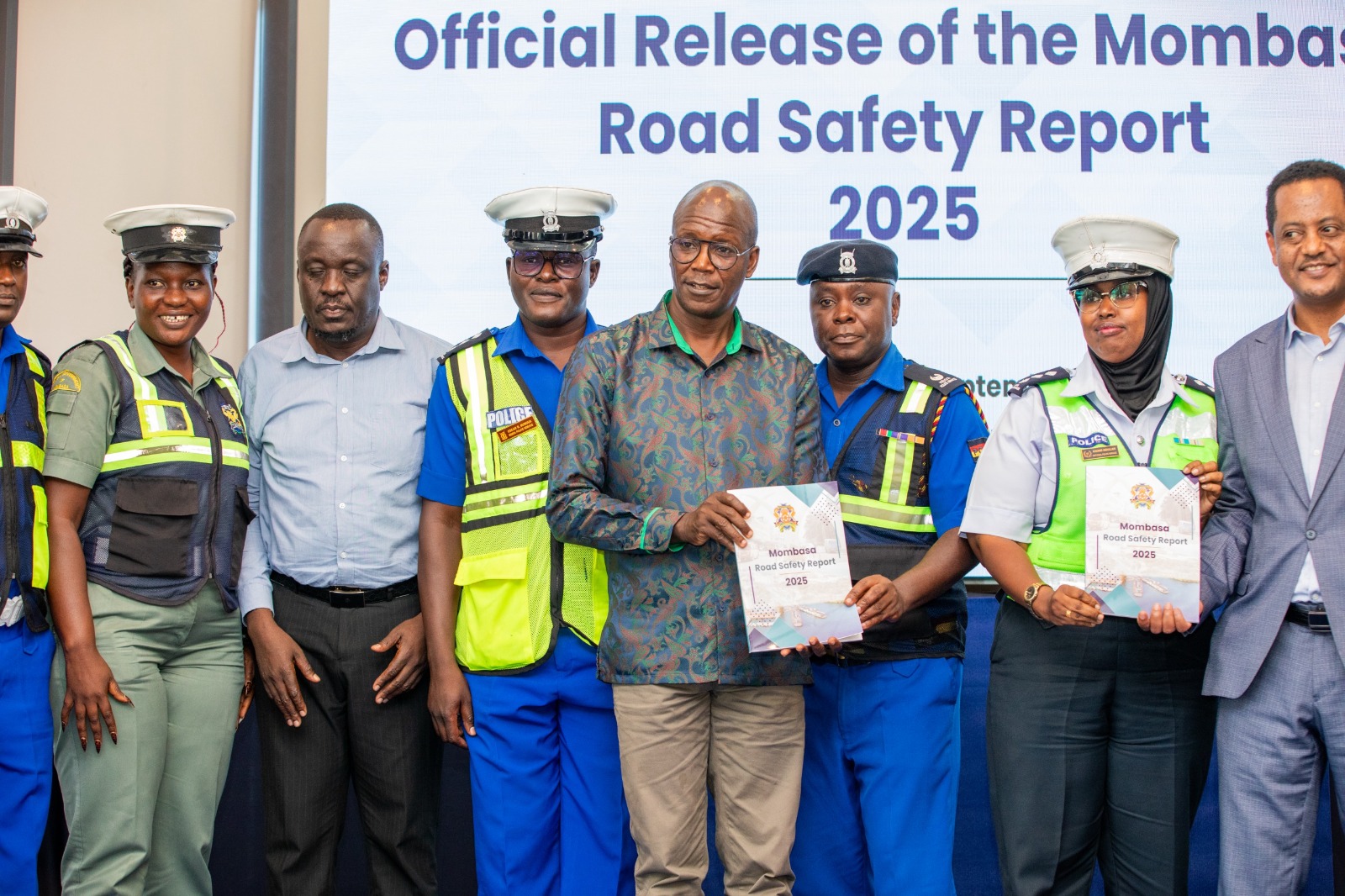
He said reducing road deaths required more than enforcement, with safer road design, public education, planning and cooperation between stakeholders also necessary.
Vital Strategies Regional Technical Advisor for Africa on Road Injury Surveillance Dr Raphael Awuah said the data would help authorities understand crash patterns and identify vulnerable road users and high-risk areas.
The report shows that Saturdays recorded the highest number of road deaths, while fatal crashes were frequently reported between 4am and 6am and between 8pm and 10pm.
A post-campaign survey found that 84 per cent of respondents considered speeding the leading perceived cause of road crashes.
The survey also showed that 77 per cent supported a 30km/h speed limit in residential areas, while 71 per cent supported reduced speed limits near pedestrian areas.
County authorities say they will continue working with NTSA, the police, road agencies and development partners on enforcement, public awareness and infrastructure improvements.
The report cautions, however, that improvement recorded over a single year is not sufficient to establish a sustained trend, making continued monitoring necessary.