

















MOMBASA, Kenya—The Media Council of Kenya (MCK) has stepped up efforts to promote responsible journalism and access to credible information as the country prepares for the 2027 General Election amid growing concerns over misinformation and disinformation.
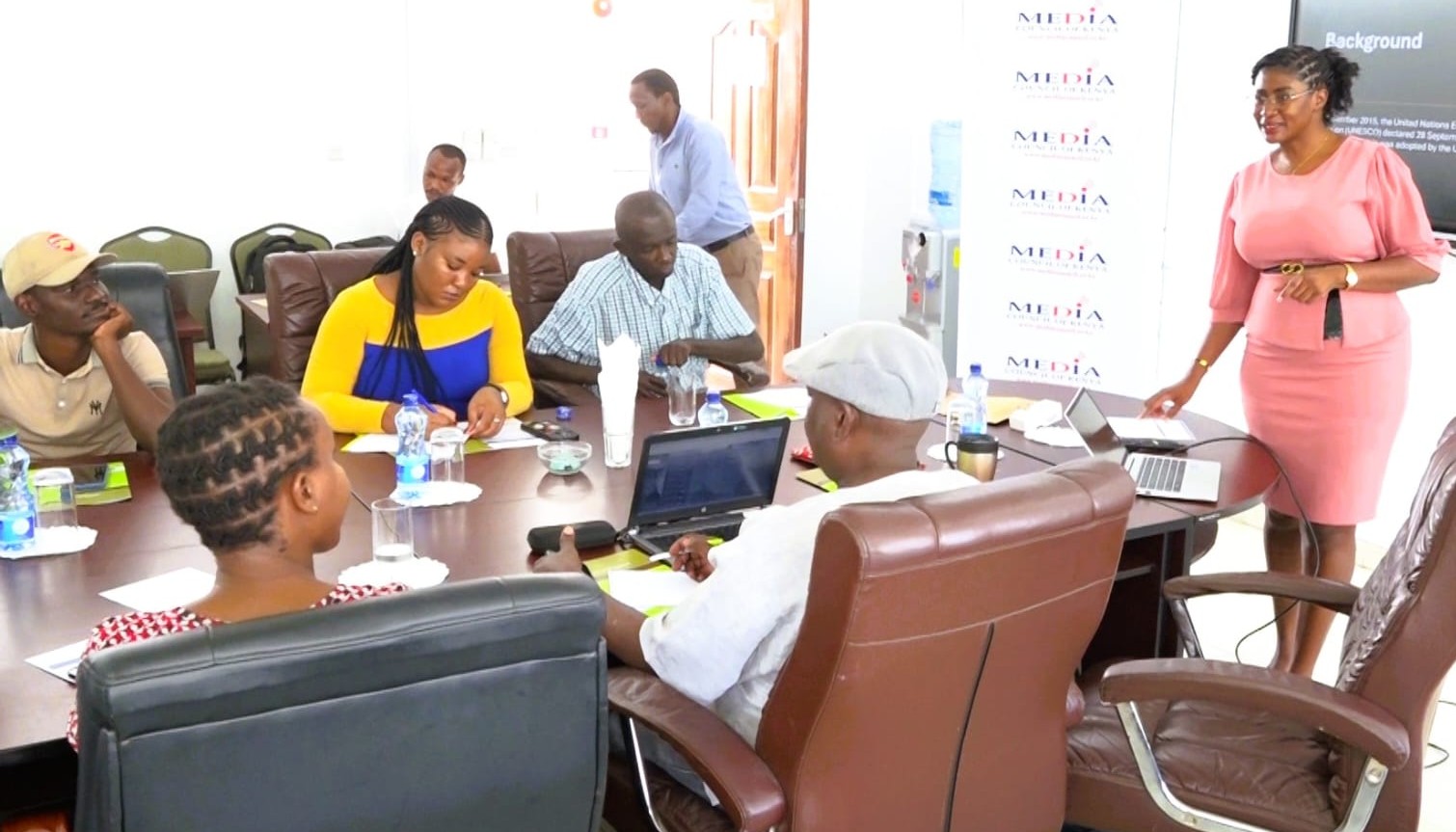
The MCK Coast Regional Office raised the issue during an engagement with journalists, State and non-State actors to mark the 2026 International Day of Universal Access to Information (IDUAI).
The meeting was held under the theme, “Upholding Information Integrity in the Digital Age: The Role of Access to Information in Addressing Information Disorder,” with discussions focusing on access to information, verification and responsible reporting.
MCK Coast Region Coordinator Maureen Mudi said strengthening access to information within county governments would enable journalists to obtain credible and verifiable information for their reporting, particularly during the election period.
Mudi said a significant number of journalists expected to cover the 2027 elections would be doing so for the first time, making training and access to reliable information particularly important.
“Our main issue today is that, as we are heading to the general elections, there is an issue of information integrity when it comes to access to information. We have noted that a very big number of journalists will be covering elections for the first time,” she said.
She said government institutions and other stakeholders had a responsibility to provide timely and credible information to journalists to help counter misinformation and disinformation.
Mudi said reliable information would strengthen the quality of election reporting while enabling citizens to make informed decisions based on verified information.
She also called for closer collaboration among stakeholders to address the challenges posed by social media and citizen-generated content, where information can spread rapidly without adequate verification.
“We are living in an age where there is a lot of content being churned out, and unfortunately some of that content goes unverified,” she said.
Mudi said MCK had also rolled out media and digital literacy programmes aimed at helping the public identify credible information sources and make responsible decisions about the information they consume and share.
She said the council had unveiled an election reporting guideline booklet as part of preparations to train about 4,500 journalists on election coverage.
The training will cover key areas including journalists’ safety, the use of Artificial Intelligence in journalism, and the protection of minorities and people with disabilities during election reporting.
Mudi said MCK had also conducted a trainer-of-trainers programme to equip facilitators with the skills required to deliver the election reporting guidelines to journalists across the country.
“We also did a trainer-of-trainers session, whereby we had different trainers from all over, just being trained on how to impart this content to the journalists, because at the end of the day we expect to have responsible reporting on any kind of issues,” she said.
She added that journalists would also be required to adhere to the MCK Code of Conduct for the Practice of Journalism, which has been reviewed ahead of the elections.
Simon Kate of Juhudi Centre said the rapid growth of digital platforms had made information verification increasingly important, with members of the public frequently publishing content without fact-checking.
“It was important for us to come as a team, discuss these areas and also engage the reporters on how to do fact findings and make sure what you are reporting is authentic,” Kate said.
He said information published by the media was often treated by the public as credible, making accuracy and verification essential.
Radio Kaya reporter Bakari Ali commended MCK for the engagement and urged the council to expand the initiative to reach more journalists as preparations for the 2027 elections gather pace.
The engagement comes as journalists and other information stakeholders prepare for an election period expected to generate increased demand for timely, accurate and verified information across traditional and digital media platforms.