
















![[Kenya's Interior CS Kipchumba Murkomen. Kenya is seeking stronger partnership with China and East Africa to combat terrorism. Photo/courtesy/Sept' 10, 2026].](https://jambonewsnetwork.com/wp-content/uploads/2026/09/MURKOMEN-180x135.jpg "Kenya seeks stronger China, E. Africa partnership against terrorism")




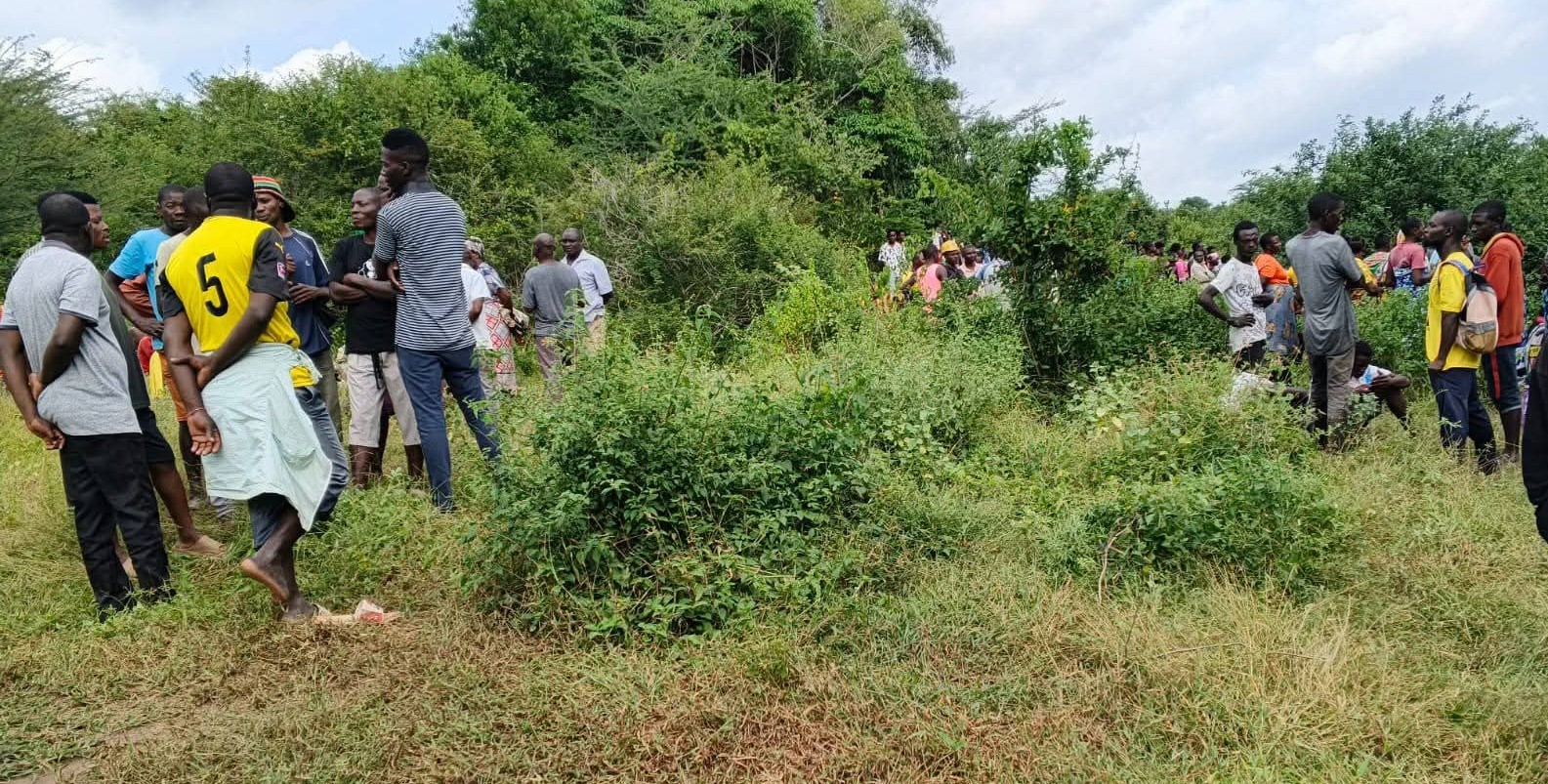
KILIFI, Kenya — Fear has gripped Pumwani area residents in Magarini Constituency, Kilifi County after a 58-year-old man was killed by a hippopotamus, barely two weeks after a 14-year-old boy died in a similar attack at the same location.
The latest incident occurred early Wednesday morning when Said Kalume Kalama was attacked while fishing in a lake in Pumwani, an area that residents say has become a hippo’s hideout.
According to preliminary reports, Kalama was attacked at around 6 a.m. while carrying out his fishing activities. His body was still inside the water at the time of publication as efforts continued to retrieve it.
The death has heightened concerns among residents who rely on the lake for fishing and other daily activities, with fears growing over the increasing danger posed by human-wildlife encounters in the area.
The latest fatality comes about two weeks after a 14-year-old boy was killed by a hippo while fishing at Mikimba Lake, also in Magarini Constituency.
Confirming the earlier incident, Magarini Assistant County Commissioner Joshua Leintoi said the teenager was attacked at around 8 am on a Sunday while fishing in the lake.
The administrator said the boy sustained fatal injuries during the attack and died at the scene, with his body later moved to Malindi Sub-County Hospital Mortuary for a post-mortem examination.
Leintoi warned residents living near rivers, lakes and wildlife habitats to exercise caution, saying encounters with wild animals remain a major risk in the area.
He urged communities, especially fishermen and residents involved in water-related activities, to remain vigilant and avoid entering areas known to be inhabited by dangerous wildlife.
The two deaths within a short period have renewed calls for urgent interventions to address human-wildlife conflict in Magarini, where communities living near water bodies continue to face threats from animals such as hippos and crocodiles.
Conservation authorities have previously advised residents to avoid entering water bodies with known wildlife presence, particularly during early morning and evening hours when animals are more active.
Residents are now calling for enhanced safety measures, including increased awareness campaigns and closer monitoring of areas frequently used by both wildlife and communities, to prevent further loss of lives.