















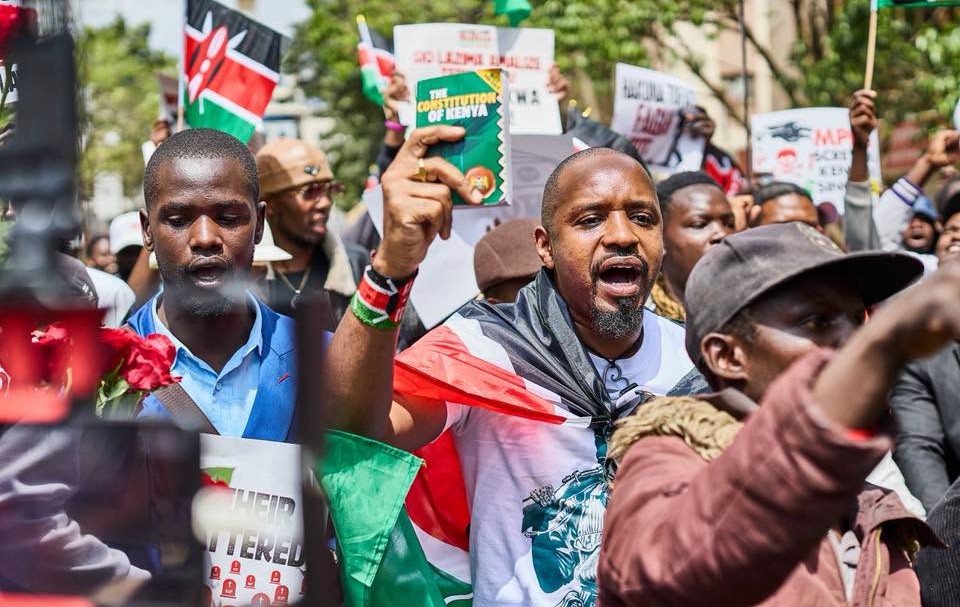
Human rights defenders are pushing for a special parliamentary inquiry into allegations of extrajudicial killings, enforced disappearances, torture, abductions and excessive use of force by security agencies, amid growing concerns over the state of civil liberties and constitutional freedoms in Kenya.
The demand comes after a series of protests and public commemorations that have been marked by allegations of arrests, injuries, intimidation and the use of excessive force against citizens, activists and human rights defenders.
During the Saba Saba commemorations on Tuesday, organisers and rights activists accused security officers of targeting protesters, with reports of arrests, harassment and alleged beatings of human rights defenders, youths and members of the public who had gathered to exercise their constitutional right to demonstrate.
The activists had prepared a petition calling for Parliament to establish a Joint Parliamentary Select Committee to investigate reported cases of killings, enforced disappearances, torture and abuse of power by security agencies.
However, organisers said security concerns surrounding the demonstrations prevented them from presenting the petition to Parliament as initially planned.
According to the draft petition, Parliament has a constitutional responsibility to oversee State institutions and ensure that public authority is exercised within the framework of the Constitution and the law.
The activists cite Articles 94, 95 and 96 of the Constitution, which provide Parliament with legislative authority and oversight responsibilities over matters of national importance.
They argue that these provisions require legislators to act whenever public institutions are accused of abusing power or violating citizens’ fundamental rights.
The petition also references Articles 244 and 245 of the Constitution, which define the mandate of the National Police Service, including the obligation to maintain professionalism, accountability and respect for human rights while operating within the law.
Under the proposed parliamentary inquiry, the committee would collect testimonies and evidence from victims, families of those affected, constitutional commissions, security agencies, civil society organisations and members of the public.
The committee would then make recommendations on possible legislative reforms, policy changes and institutional measures aimed at strengthening accountability within State agencies.
Human rights campaigners argue that such an inquiry would provide a platform for victims and families to be heard while helping rebuild public confidence in institutions responsible for protecting citizens’ rights.
Concerns
The latest concerns come against the backdrop of previous demonstrations where rights groups have raised questions over the conduct of security officers during protests.
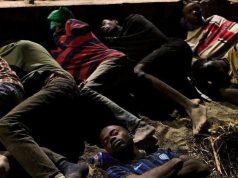
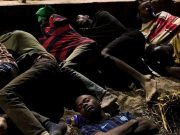
The June 2026 Gen Z demonstrations, which saw young protesters killed after sustaining gunshot injuries, triggered renewed calls for investigations into the actions of security agencies deployed to manage public gatherings.
Human rights defenders have consistently argued that peaceful demonstrations are protected under Article 37 of the Constitution, which guarantees every person the right to assemble, demonstrate, picket and present petitions peacefully.
They maintain that citizens exercising this constitutional freedom should not be treated as enemies of the State.
Mwangi: “Power is Transient”
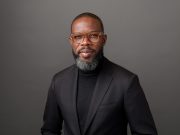
Human rights activist Boniface Mwangi has accused the government of allowing the loss of innocent lives to become normalised, warning that accountability must remain at the centre of governance.
Mwangi says the repeated allegations of killings and abuse of force have created a situation where citizens fear those tasked with protecting them.
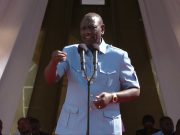
“Nowadays we have special police officers who are paid hefty salaries because they have perfected the art of taking our lives. We want to tell President William Ruto that power is transient,” Mwangi said.
He argues that the protection of life and respect for human dignity must remain fundamental principles in any democratic society.
Hussein Khalid: “Are We Enemies?”
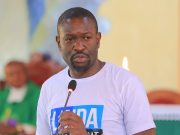
Vocal Africa Chief Executive Officer Hussein Khalid has raised alarm over what he describes as a shrinking civic space, accusing State agencies of undermining citizens’ rights to peaceful assembly and expression.
“The civic space is quickly shrinking in the country. This regime is only used to killing, gross rights violations, misuse of power and entertaining police brutality against innocent Kenyans,” Khalid said.
Khalid questioned the heavy deployment of security officers during demonstrations, arguing that protesters have consistently exercised their rights peacefully.
“We go to the streets to protest and of course our processions are always peaceful since we are unarmed, but you send a whole army to kill us. Are we enemies?” he posed.
The Constitutional Test
The debate over protest rights and police conduct has placed renewed focus on Kenya’s constitutional promise of protecting fundamental freedoms while maintaining public order.
The National Police Service is constitutionally required to uphold human rights, accountability and professionalism in carrying out its mandate.
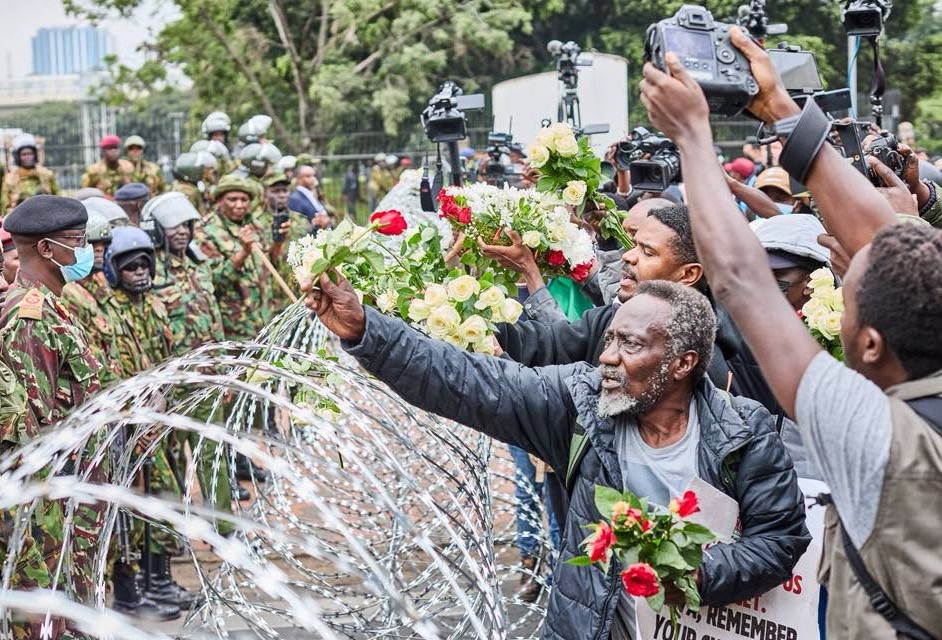
[Human rights defenders giving police officers roses during a recent protest where police barricaded roads heading to the Kenya’s parliament. Photo/courtesy/July 8, 2026].
For human rights defenders, the question is not whether the State has the responsibility to maintain security, but whether that responsibility is exercised within constitutional limits.
As demands grow for investigations into alleged killings, disappearances and excessive use of force, activists say the country faces a defining test — whether constitutional freedoms remain protected when citizens use their voices to demand accountability.
The ultimate measure of democracy, they argue, is not how a government responds to supporters, but how it treats those who question its actions.