


















MOMBASA, Kenya — Reachout Centre Trust (RCT) is expanding breast cancer awareness, screening and professional support to more than 1,000 women in Mombasa, targeting groups that may face additional barriers in accessing essential healthcare, including women who use drugs and those recovering from substance use.
The initiative, which begins on Thursday, October 15, will bring together women enrolled in the organisation’s youth health and drug recovery programmes, healthcare professionals and female peer supporters to promote early assessment and improve access to information on breast health.
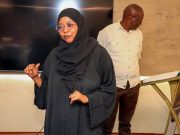
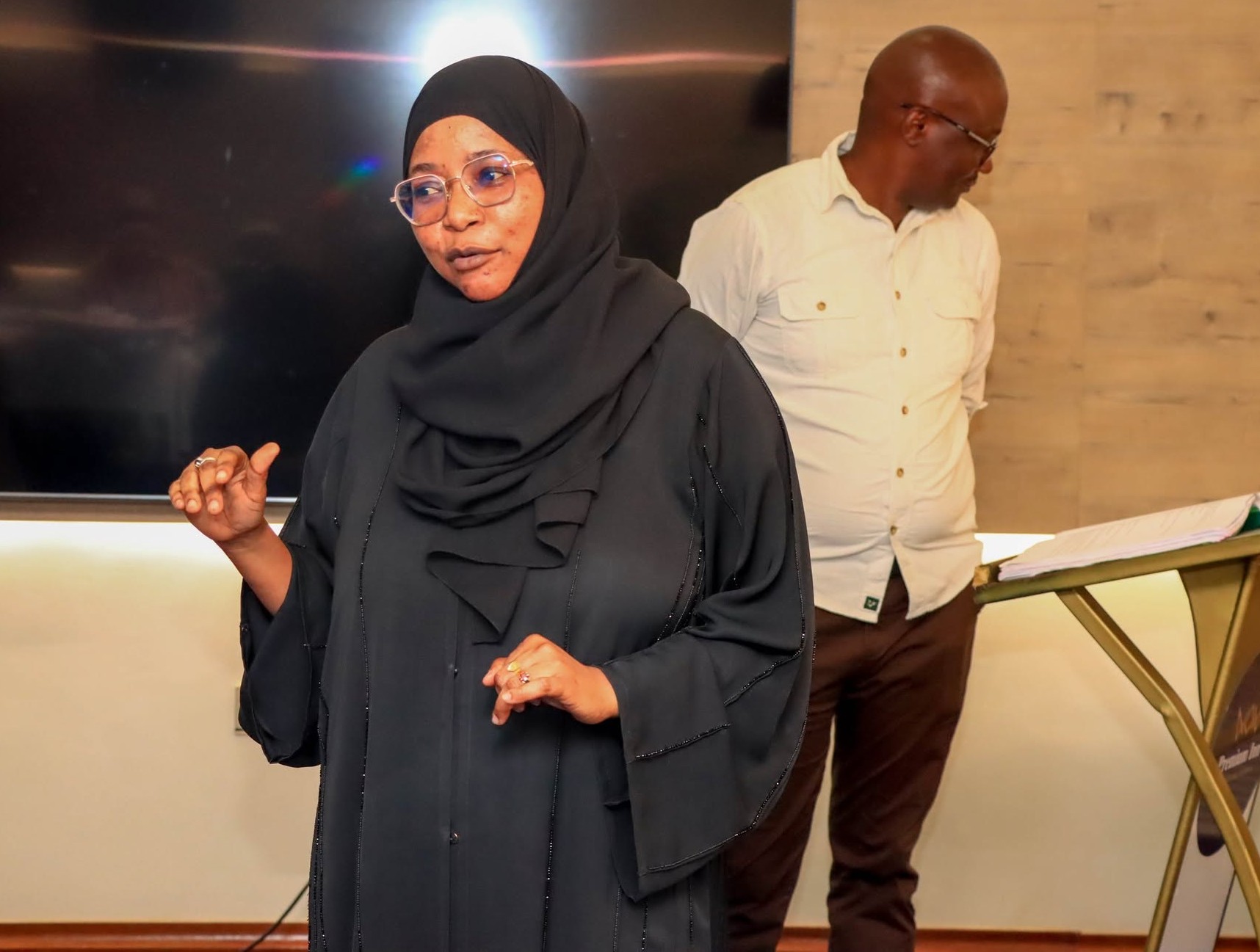
RCT Programmes Manager Faizah Hamid said the campaign seeks to ensure women can access health information and professional support without fear, shame or discrimination.
“Every woman deserves the opportunity to understand her health, recognise warning signs and seek medical attention without fear or shame. Women in our programmes are no exception,” Hamid said.
She said the organisation was bringing breast cancer awareness and screening closer to women who might otherwise face challenges accessing such services.
The campaign draws on RCT’s programmes, which include 384 young women under the Adolescent and Young People programme through the Kijana Salama project, 394 women in its People Who Use Drugs cohort and 169 women reached through a Global Fund-supported programme targeting People Who Inject Drugs.
The figures represent women reached through the respective programmes, which remain ongoing.
Participants are expected to receive breast cancer education, screening and guidance from healthcare professionals on recognising unusual breast changes and seeking medical assessment.
Hamid cautioned women against ignoring unusual symptoms or delaying medical attention because of fear, misinformation or stigma.
Warning signs that warrant professional assessment include a new breast lump or thickening, changes in breast size or shape, skin dimpling, nipple changes and unusual discharge.
Although not every breast change indicates cancer, she said women should seek medical advice when they notice anything unusual.
“Awareness must go beyond talking about cancer. Women need accurate information, access to screening and guidance from qualified health professionals on what to do when they notice a change,” Hamid said.
She added that early assessment can help identify women who require further investigation and treatment.
The campaign builds on RCT’s existing women’s health activities, which include prevention education, recovery support and access to health services.
Through Kijana Salama, the organisation engages young women aged 18 and above on health education, HIV prevention, pre-exposure prophylaxis (PrEP), condom use and risks associated with drug and substance use.
While cervical cancer has featured prominently in its previous women’s health activities, Hamid said breast cancer awareness was also essential to ensuring women receive comprehensive health information and support.
“Our work with women cannot focus on one health concern while overlooking others,” she said, adding that the organisation was committed to helping women make informed decisions about their wellbeing.
RCT is also calling on families and communities to create supportive environments where women can discuss health concerns openly and seek medical attention without being judged.
The organisation says the campaign will involve doctors and female peer supporters, with activities aimed at strengthening awareness, encouraging timely medical assessment and improving access to appropriate care.