






















MOMBASA, Kenya — A new offshore oil terminal at the Port of Mombasa is reshaping how petroleum products enter Kenya and move into the wider East African market.
The Kipevu Oil Terminal (KOT), completed in 2022, has significantly increased Mombasa’s capacity to receive and handle fuel, strengthening Kenya’s role as a regional energy and logistics hub.
The facility replaced an ageing terminal built in 1963 that had only one berth and could handle one tanker at a time. Ships previously took three to four days to load or discharge.
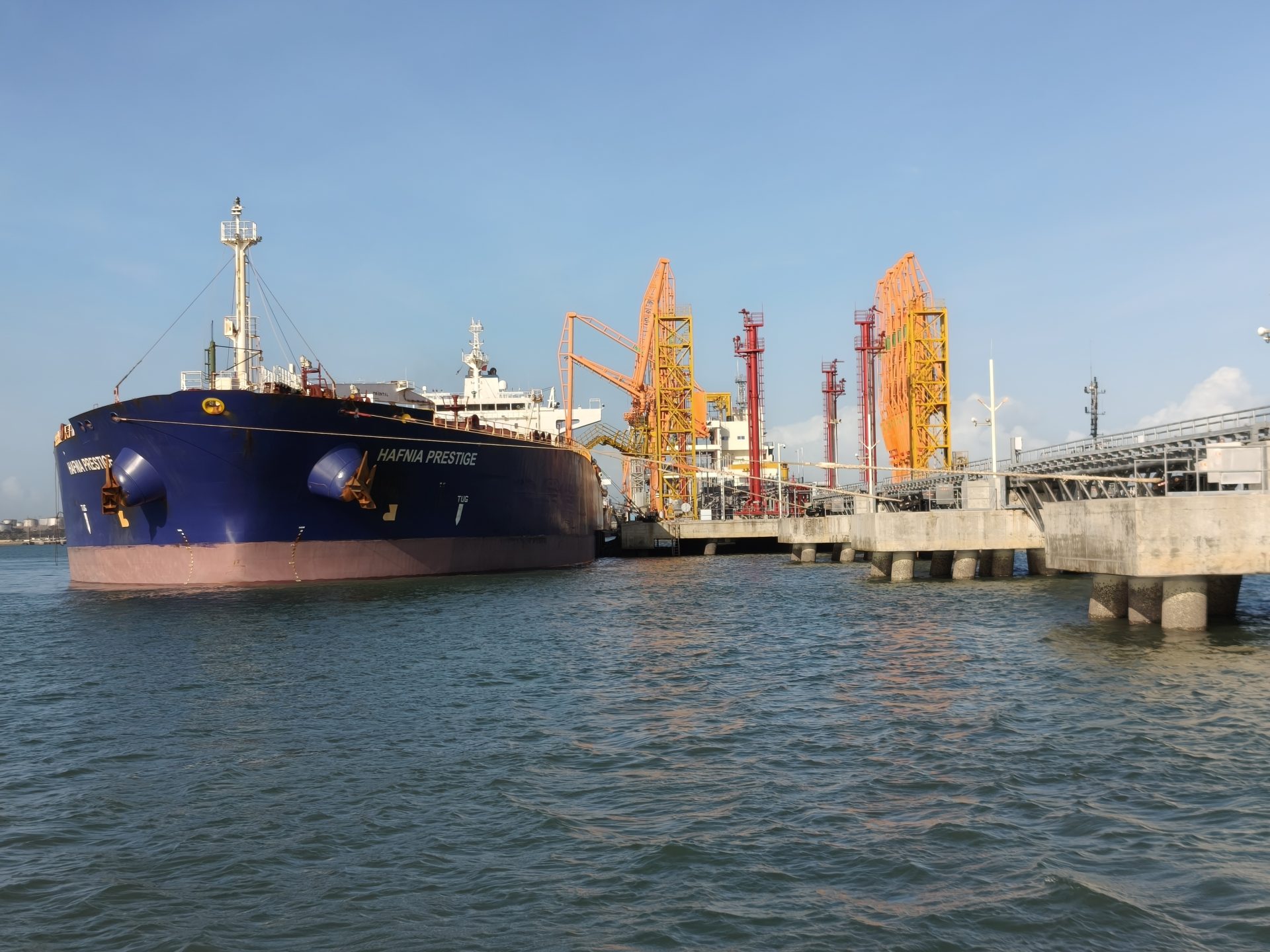
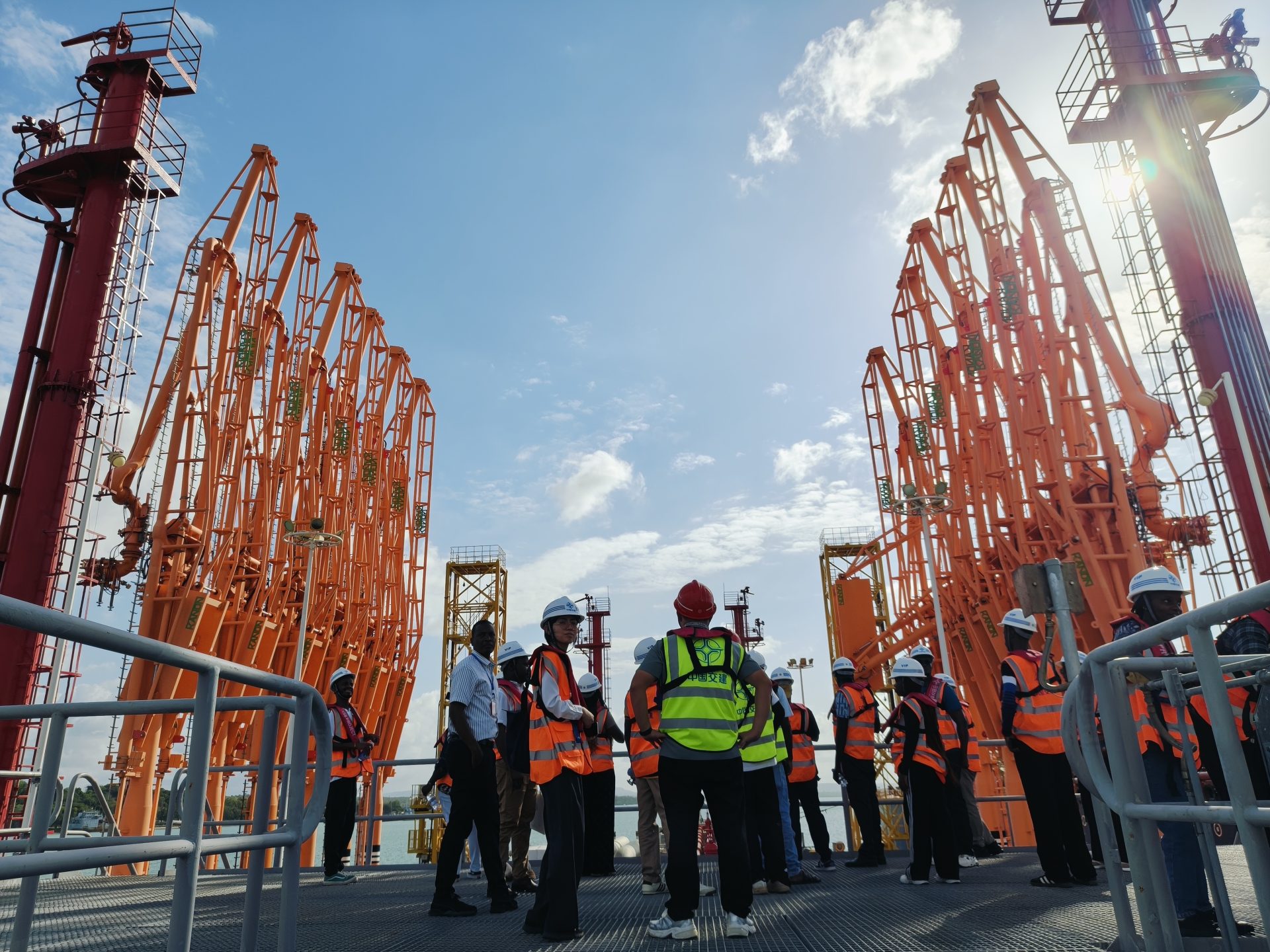
KOT, however, features four double-sided berths capable of handling tankers of up to 170,000 tonnes, alongside a workboat quay and an extensive pipeline network.
Five subsea pipelines installed about 26 metres beneath the seabed connect the offshore facility to six onshore pipelines serving refineries and national oil depots.
The terminal can handle crude oil, heavy oil, petrol, diesel, aviation fuel and liquefied petroleum gas (LPG), supporting both domestic consumption and regional fuel distribution.
Faster turnaround, greater capacity
The difference in efficiency is significant.
A test involving 42.5 million litres of oil took about 54 hours at the old terminal. At KOT, the same volume was handled in approximately 19 hours.
Overall loading and unloading efficiency has increased by more than eight times, according to project information.
The improved turnaround could help reduce delays and logistics costs while increasing the volume of petroleum products moving through Mombasa.
Regional significance
The impact extends beyond Kenya.
Mombasa is a key gateway for landlocked markets such as Uganda and Rwanda, as well as other East African economies. By improving fuel-handling capacity at the coast, KOT strengthens the supply chain connecting international oil shipments to inland markets.
The project also created approximately 700 direct jobs and supported skills development in terminal operations and engineering, while generating opportunities for related sectors including logistics, maintenance and repair.
KOT was developed by China Communications Construction Company (CCCC), which won the general contract in 2018. Construction began in February 2019, the project was completed in January 2022, and commercial operations officially started on August 4, 2022.
Built as part of Kenya’s Vision 2030 and under the Belt and Road Initiative, the terminal represents a major step in modernising the country’s petroleum infrastructure.
More importantly, KOT is positioning Mombasa not just as a port of entry, but as one of East Africa’s key energy gateways, capable of moving fuel faster and at a much larger scale across the region.