





















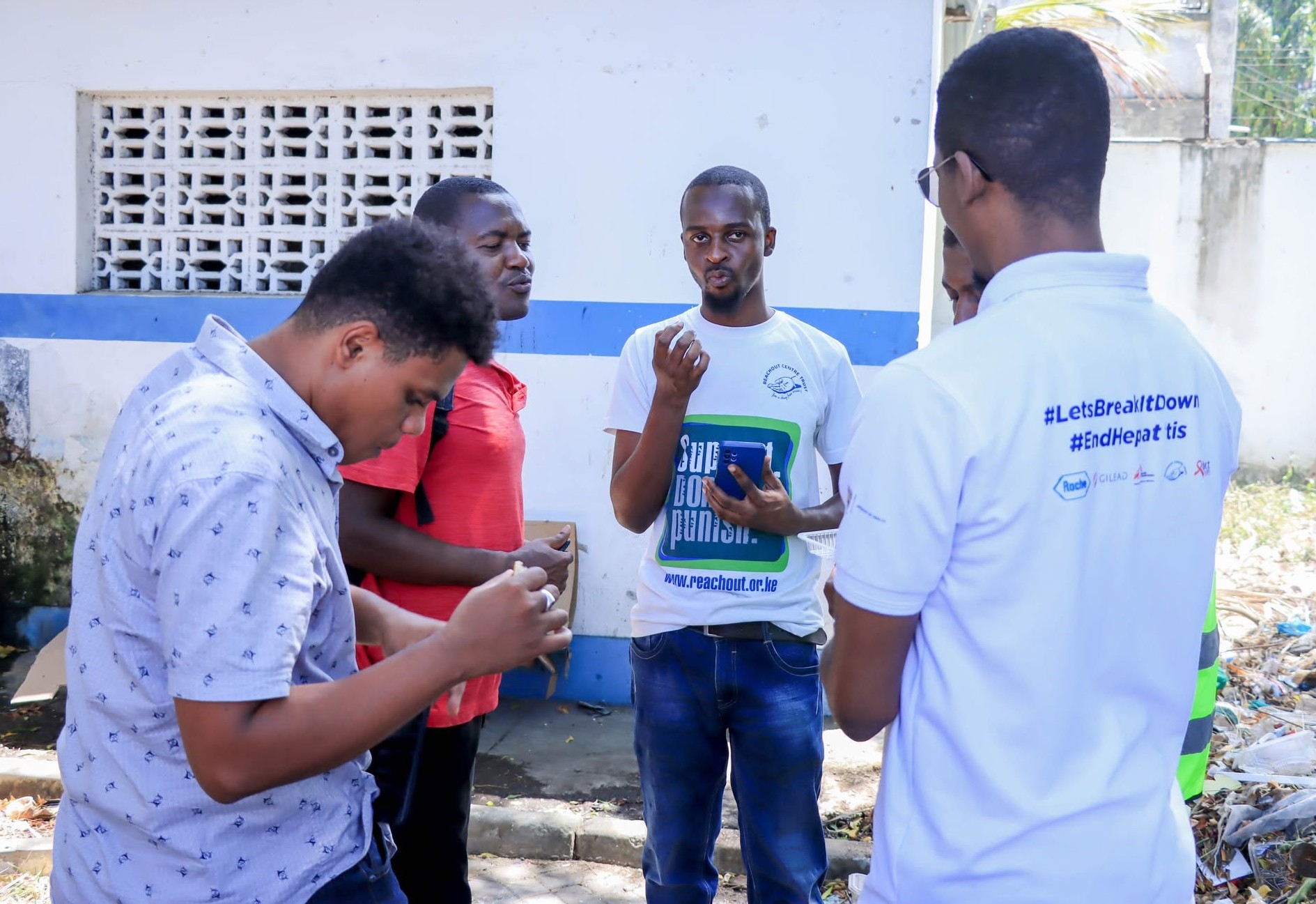
MOMBASA, Kenya—Young people need greater access to skills development, economic opportunities and peer support to help them overcome challenges including drug and substance abuse, unemployment and mental health concerns, a youth programme coordinator in Mombasa has said.
Bakari Ali, Coordinator the Kijana Salama Project under Reachout Centre Trust, said young people should embrace peer-to-peer discussions to support those facing challenges and collectively seek solutions to issues affecting their lives.
He said economic empowerment and vocational training could provide young people with productive alternatives to idleness and help them build livelihoods while reducing their vulnerability to drugs and substance abuse.
“Drugs waste the future of the youth,” Bakari said, calling on stakeholders to invest in skills development and create employment opportunities that can enable young people to become economically independent.
The Kijana Salama initiative under the Adolescent and Young People (AYP), young people are being introduced to different livelihood skills, including smartphone charm making, beadwork, baking and crochet, which Bakari said can provide opportunities for them to earn an income.
He said equipping young people with practical skills can help them safeguard their time and make productive use of their abilities while contributing to the wider development of their communities.
Bakari also linked drug and substance abuse concerns with other challenges facing young people, including irresponsible and unprotected sexual behaviour. He urged young people to make informed choices, avoid risky behaviour and use peer discussions to address issues such as HIV and other challenges affecting their wellbeing.
The anti-drug lobby, Reachout Centre Trust psychologist and counsellor said some young people were finding themselves in difficult situations after engaging in unprotected sex and facing unplanned pregnancies and families.
“We fear marriage but we engage in unprotected sex and find ourselves building up unplanned and uncontrolled families. This has hugely affected the youth life and had pushed some into drugs,” he said.
Bakari also emphasised the importance of parental involvement in helping young people navigate challenges, saying parents should create an environment where children can openly discuss issues affecting their lives.
He said poor parenting can contribute to young people losing focus, noting that children often learn from the behaviour and guidance they receive at home.
“When a child is impregnated, parents disown them, punish and chase them away from families. That is never a solution. They should be helped out of their challenges in life,” he said.
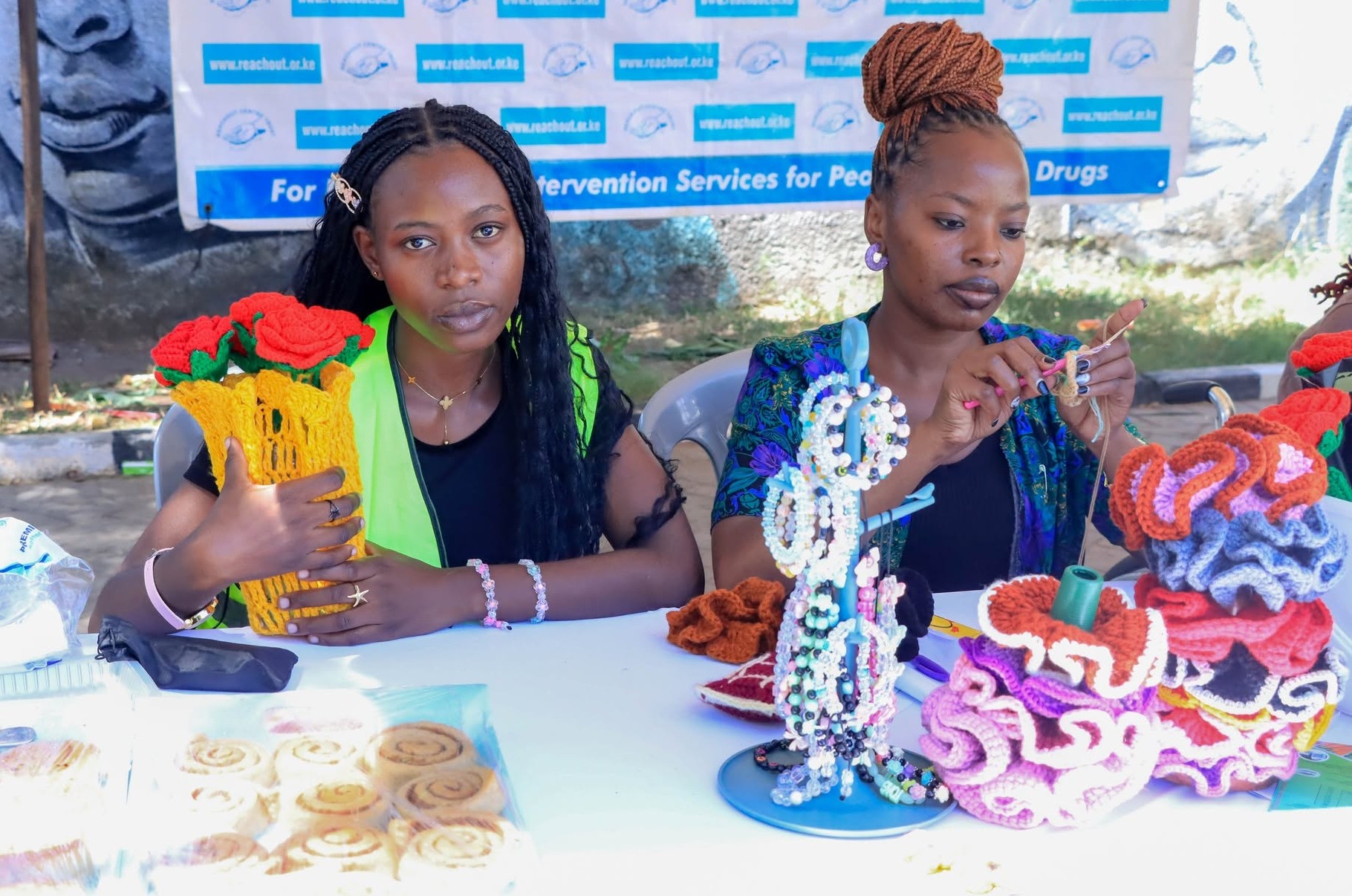
[Some of the Peer educators under the Kijana Salama Project implemented by Reachout Centre Trust (RCT) Miriam Nawire (left) with Dora Msungu exhibiting their skills during the International Youth Day on August 12, 2026 at Tononoka, Mombasa. Photo/Joseph Ngala/RCT/August 14, 2026].
He urged parents to engage their children openly on sexual and reproductive health matters so they can make informed decisions and protect themselves from HIV and other Sexually Transmitted Infections (STI’s).
The Kijana Salama Project, implemented by Reachout Centre Trust, focuses on engaging adolescents and young people through peer-to-peer awareness, skills development and livelihood initiatives aimed at helping them make healthier and more productive choices.