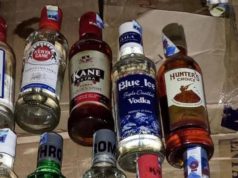




















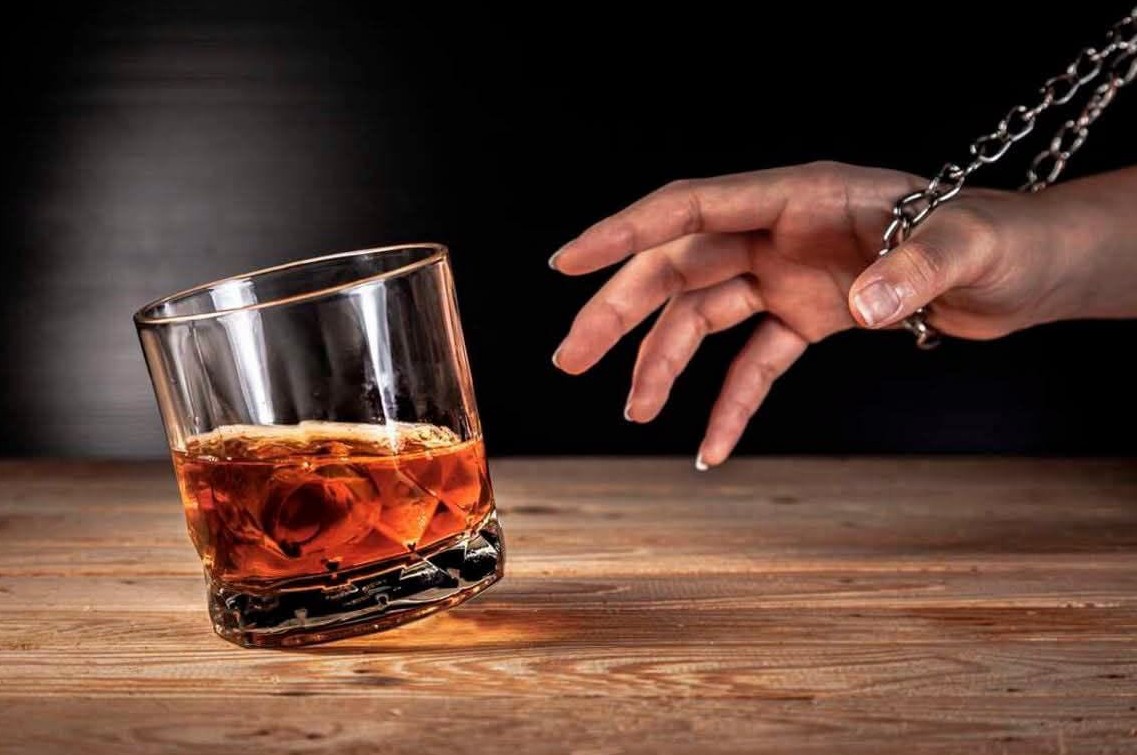
NAIROBI, Kenya—Kenyans below the age of 21 could be barred from purchasing and consuming alcoholic drinks if Parliament approves proposed legislation seeking to raise the legal drinking age from the current 18 years.
The Alcoholic Drinks and Drugs Control Laws (Amendment) Bill, 2026, sponsored by National Assembly Majority Leader Kimani Ichung’wah, was read for the first time on Thursday, November 5, setting in motion parliamentary consideration of a raft of proposed changes to the country’s alcohol control framework.
The Bill also proposes introducing a levy of KSh2 per litre on alcoholic drinks manufactured or imported into the country, with part of the revenue earmarked for regulatory activities and programmes addressing alcohol and drug abuse.
Presenting the proposals in the National Assembly, Ichung’wah said raising the minimum drinking age was intended to protect young people from the consequences of early alcohol consumption.
“Many of our children at 18 years are still very young and unable to make conscious decisions about what is good or bad in their lives. And, therefore, we want to increase the age limit for drinking from 18 to 21,” he said.
The Majority Leader acknowledged that the proposal could attract opposition from alcohol manufacturers but maintained that stronger regulation was necessary to address alcohol consumption among young people.
Under the proposed framework, a National Alcoholic Drinks Control Committee would be established to oversee key aspects of alcohol regulation, including licensing manufacturers and importers.
The proposed KSh2-per-litre levy would provide funding for the committee, with 50 per cent of the annual revenue allocated to its operations. At least 15 per cent would go towards supporting civil society organisations implementing programmes to prevent and address alcohol and drug abuse.
The proposed funding arrangement could have implications for organisations involved in community-based prevention, outreach, treatment and rehabilitation programmes, although its eventual impact would depend on the final legislation and how the funds are administered.
The Bill also seeks to tighten the channels through which alcoholic drinks can reach consumers. It proposes prohibiting alcohol sales through online platforms, courier services, home deliveries, hawking and vending machines.
Alcohol outlets would also be barred from operating within 300 metres of learning institutions, while licensed premises would not be permitted to admit anyone below the proposed age of 21.
The proposed restrictions would significantly affect the existing distribution and retail arrangements if enacted, placing additional compliance responsibilities on manufacturers, importers and licensed sellers.
The parliamentary debate also raised questions about the scope of the proposed legislation and whether other commonly consumed substances should be addressed through similar regulatory measures.
Dadaab MP Farah Maalim questioned the exclusion of miraa and muguka from the Bill, arguing that the substances also required attention.
“I’m happy with the fact that you are trying to control the consumption of alcohol. It would have been better if it were banned 100 per cent. But why didn’t you include Miraa and Muguka in this Bill?” he asked.
The proposed amendments further seek to introduce tougher penalties for violations of the Alcoholic Drinks Control Act, with offenders facing fines of up to KSh10 million, imprisonment for up to five years, or both.
Beyond the proposed restrictions, the Bill raises broader questions about how Kenya will balance alcohol regulation with public health interventions, access to treatment and rehabilitation, and the role of community organisations in addressing substance-use-related challenges.
While tighter controls could strengthen oversight of the alcohol industry, their effectiveness will also depend on enforcement capacity, public awareness, accessible treatment services and sustained investment in prevention programmes.
The Bill is still at the early stages of the legislative process and must undergo further parliamentary consideration before any of its proposals can become law.