









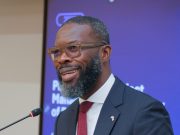

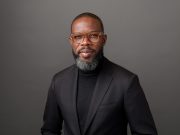



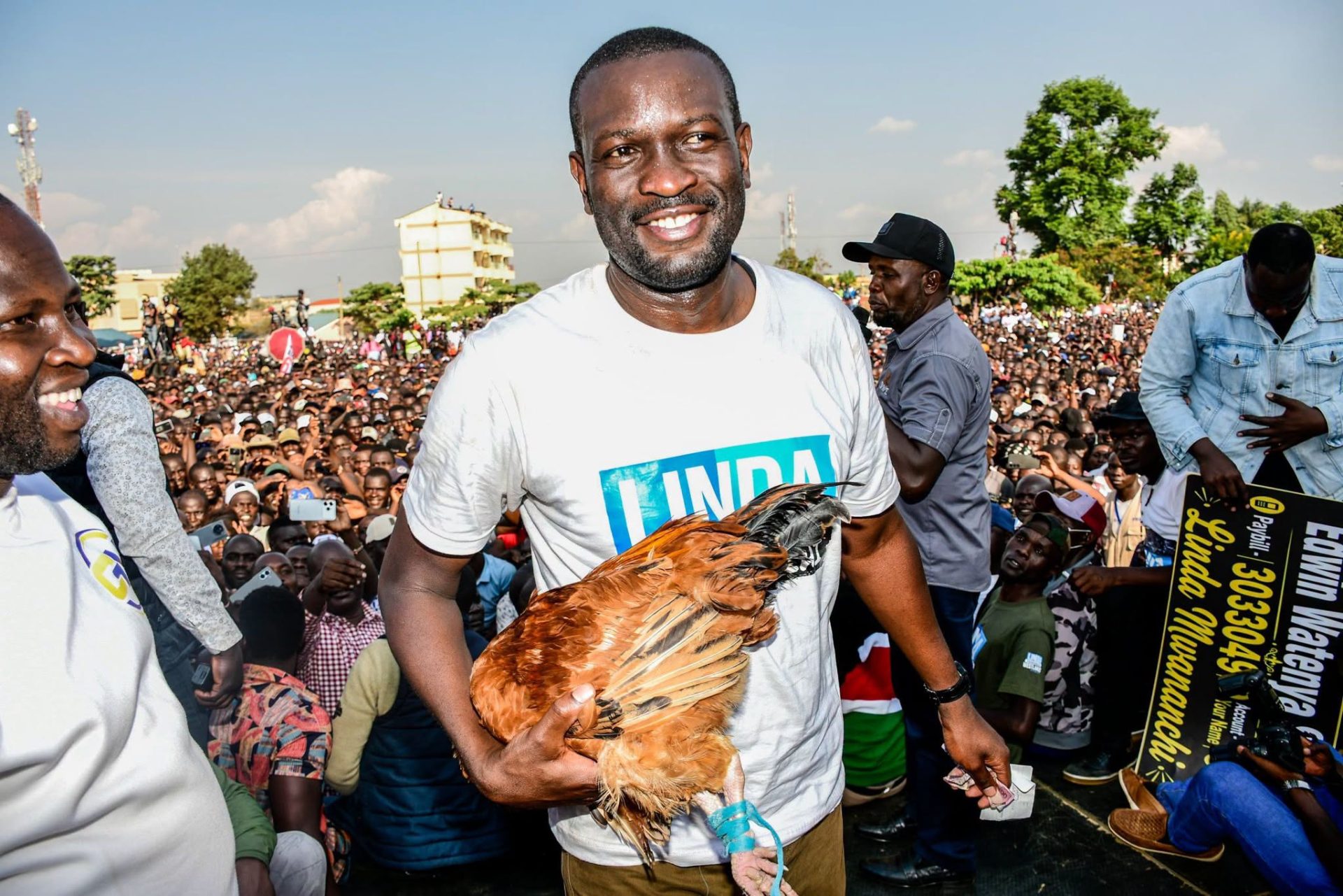
The blessing of ODM Secretary-General Edwin Sifuna by elders in his home county of Bungoma has added fresh momentum to his growing national profile. As opinion polls point to rising support, particularly among younger voters, a bigger question is emerging: does Sifuna represent a new generation of Kenyan politics, or is he still navigating the long road from popularity to national leadership?
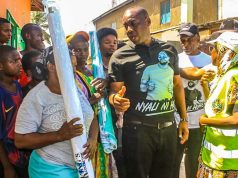
When former Cabinet Minister Musikari Kombo joined elders in Kanduyi, Bungoma County, to bless Edwin Sifuna’s political journey, the gathering carried a significance that extended beyond traditional customs.
The unexpectedly large turnout reflected more than hometown pride. It underscored the growing national attention surrounding a politician who, only a few years ago, was best known as the outspoken Secretary-General of the Orange Democratic Movement (ODM). Today, Sifuna increasingly finds himself at the centre of conversations about Kenya’s opposition politics and the country’s next presidential race.
Addressing supporters after receiving the elders’ blessing, Sifuna pledged to remain guided by the aspirations of ordinary Kenyans, saying his political decisions would be shaped by what citizens want rather than personal ambition.
The remarks echoed a message that has become central to his political identity—portraying himself as a leader driven by public concerns and accountable to the electorate.
His rise has been difficult to ignore.
Recent opinion polling by Infotrak places Sifuna among the country’s fastest-rising opposition figures, particularly among younger voters, where his support has grown markedly. While President William Ruto continues to lead nationally and opposition politics remains highly competitive, Sifuna’s emergence signals a generational shift that could reshape the opposition’s strategy ahead of the 2027 General Election.
Unlike many politicians who built their careers through traditional regional kingpins, Sifuna has cultivated much of his profile through direct public engagement, sharp parliamentary interventions and an unapologetic communication style that resonates with younger Kenyans.
His growing association with the Linda Mwananchi movement alongside Siaya Governor James Orengo and Embakasi East MP Babu Owino has further reinforced his image as one of the opposition’s most vocal defenders of constitutionalism, accountability and the cost-of-living concerns affecting many households.
Yet popularity and electoral victory are rarely the same.
Kenya’s presidential elections have historically been shaped not only by individual appeal but also by coalition-building, regional arithmetic and the ability to unite diverse political interests behind a single candidate.
That remains Sifuna’s greatest test.
His appeal among younger voters reflects changing political expectations. Many in this demographic increasingly judge leaders by their visibility, policy positions and communication style rather than solely by ethnic affiliations. Whether that enthusiasm can be transformed into votes across Kenya’s varied political landscape, however, remains an open question.
The blessing ceremony in Kanduyi may therefore be remembered less as the launch of a presidential campaign than as a symbolic milestone in the evolution of a politician whose national profile continues to grow.
With just over a year before Kenyans head to the polls, Sifuna’s political future will depend on more than energetic crowds or favourable opinion polls. It will require translating youthful enthusiasm into a broad national coalition capable of competing in one of Africa’s most complex electoral environments.
For now, one thing appears increasingly clear.
Edwin Sifuna is no longer simply one of the opposition’s most outspoken voices.
He has become one of the politicians whose next move could help shape the direction of Kenya’s politics heading into 2027.
A Different Kind of Opposition Politics
Much of Sifuna’s political rise has coincided with growing public frustration over the cost of living, taxation and governance, issues that have increasingly resonated with younger voters who make up the largest share of Kenya’s electorate.
Unlike many opposition figures who rely heavily on established political networks, Sifuna has built much of his profile through consistent public engagement. Whether addressing Parliament, responding to national issues or engaging supporters on digital platforms, he has cultivated an image of accessibility that has endeared him to many young Kenyans.
His role within the Linda Mwananchi movement has further amplified that profile. Alongside leaders such as Siaya Governor James Orengo and Embakasi East MP Babu Owino, Sifuna has positioned himself among the opposition voices advocating for constitutionalism, accountability and what they describe as the protection of ordinary citizens from economic hardship and political exclusion.
For many of his supporters, the movement represents more than opposition politics. It reflects a growing demand for leaders perceived to speak directly to the everyday struggles facing Kenyans.
That perception, political analysts say, has contributed significantly to Sifuna’s growing national appeal.
Beyond Popularity
Yet Kenyan politics has often demonstrated that popularity alone is rarely enough to secure the presidency.
Every election since the return of multiparty democracy has ultimately been shaped by coalition building, regional alliances, campaign organisation and voter turnout as much as individual charisma.
Opinion polls can capture public mood at a particular moment, but they do not determine electoral outcomes. Campaigns evolve, alliances shift and new political dynamics often emerge as elections draw closer.
For Sifuna, therefore, the challenge extends beyond maintaining public enthusiasm.
It will involve broadening his appeal beyond his traditional support base, building durable political partnerships and convincing voters across the country that he can unite diverse interests behind a common national agenda.
Those are hurdles that have tested nearly every presidential contender in Kenya’s modern political history.
A Defining Moment
The elders’ blessing in Kanduyi may not have formally launched a presidential campaign, but it reinforced one unmistakable reality.
Edwin Sifuna is no longer viewed simply as the outspoken Secretary-General of ODM.
He has emerged as one of the country’s most closely watched opposition figures, with a growing influence that extends well beyond party politics.
Whether that momentum ultimately translates into a presidential bid or strengthens a broader opposition coalition remains to be seen.
What is already becoming clear, however, is that Kenya’s political conversation is changing.
A younger generation of leaders is increasingly shaping national debate, while a younger generation of voters is demanding a different style of leadership—one that places greater emphasis on accountability, public engagement and responsiveness to citizens’ concerns.
As the road to the 2027 General Election gathers pace, Edwin Sifuna’s journey will be one of the political stories worth watching.
Not because it guarantees victory.
But because it may reveal how Kenya’s politics is evolving—and what the country’s next generation of leadership could look like.