




















KAMPALA, Uganda — Ugandan authorities have ordered the immediate closure of the country’s border with the Democratic Republic of the Congo (DRC) as health officials intensify efforts to contain the spread of Ebola following confirmation of imported cases linked to cross-border movement.
The directive, issued by Uganda’s National Task Force on epidemics, marks one of the toughest containment measures adopted so far in response to the outbreak, amid growing concerns over further transmission.
Officials said the closure takes effect immediately and is intended to strengthen surveillance and minimise the risk of additional imported infections as health teams continue contact tracing, screening, and monitoring suspected cases.
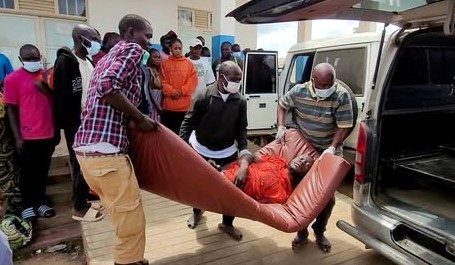
The move follows confirmation by Uganda’s Ministry of Health of several Ebola infections connected to an initial imported case, prompting heightened emergency response measures across the country.
Authorities have since ramped up screening at key entry points, intensified public awareness campaigns, and expanded monitoring efforts in high-risk areas.
Uganda and the Democratic Republic of the Congo share a long and highly active border relied upon daily by traders, transporters, and border communities, meaning the shutdown is expected to significantly disrupt movement and cross-border trade.
Government officials, however, insist the temporary restrictions are necessary to safeguard public health and prevent wider transmission of the deadly virus.
Authorities said the national response remains focused on rapid detection, isolation of confirmed cases, contact tracing, and community sensitisation, while urging citizens to remain calm and adhere to preventive guidelines issued by health officials.
The government is expected to issue additional guidance on implementation of the border closure, including whether cargo transportation, humanitarian operations, and essential travel will be exempted.
Ebola is a severe and often fatal viral disease transmitted through direct contact with infected bodily fluids or contaminated materials. Symptoms commonly include fever, vomiting, diarrhea, muscle pain, and in severe cases, internal and external bleeding.
Uganda has experienced multiple Ebola outbreaks over the years, largely due to its proximity and frequent movement across the border with the DRC, where the disease has periodically resurfaced.
Health experts warn that early detection, swift isolation of cases, and strict public health measures remain critical in preventing widespread transmission, particularly in densely populated border regions.