













![[Kenya's Interior CS Kipchumba Murkomen. Kenya is seeking stronger partnership with China and East Africa to combat terrorism. Photo/courtesy/Sept' 10, 2026].](https://jambonewsnetwork.com/wp-content/uploads/2026/09/MURKOMEN-180x135.jpg "Kenya seeks stronger China, E. Africa partnership against terrorism")


KILIFI, County—Kilifi County is staring at a KSh10.7 billion pending-bills burden, leaving businesses that supplied goods and services to the county government struggling with unpaid debts, some of which date back nearly a decade.
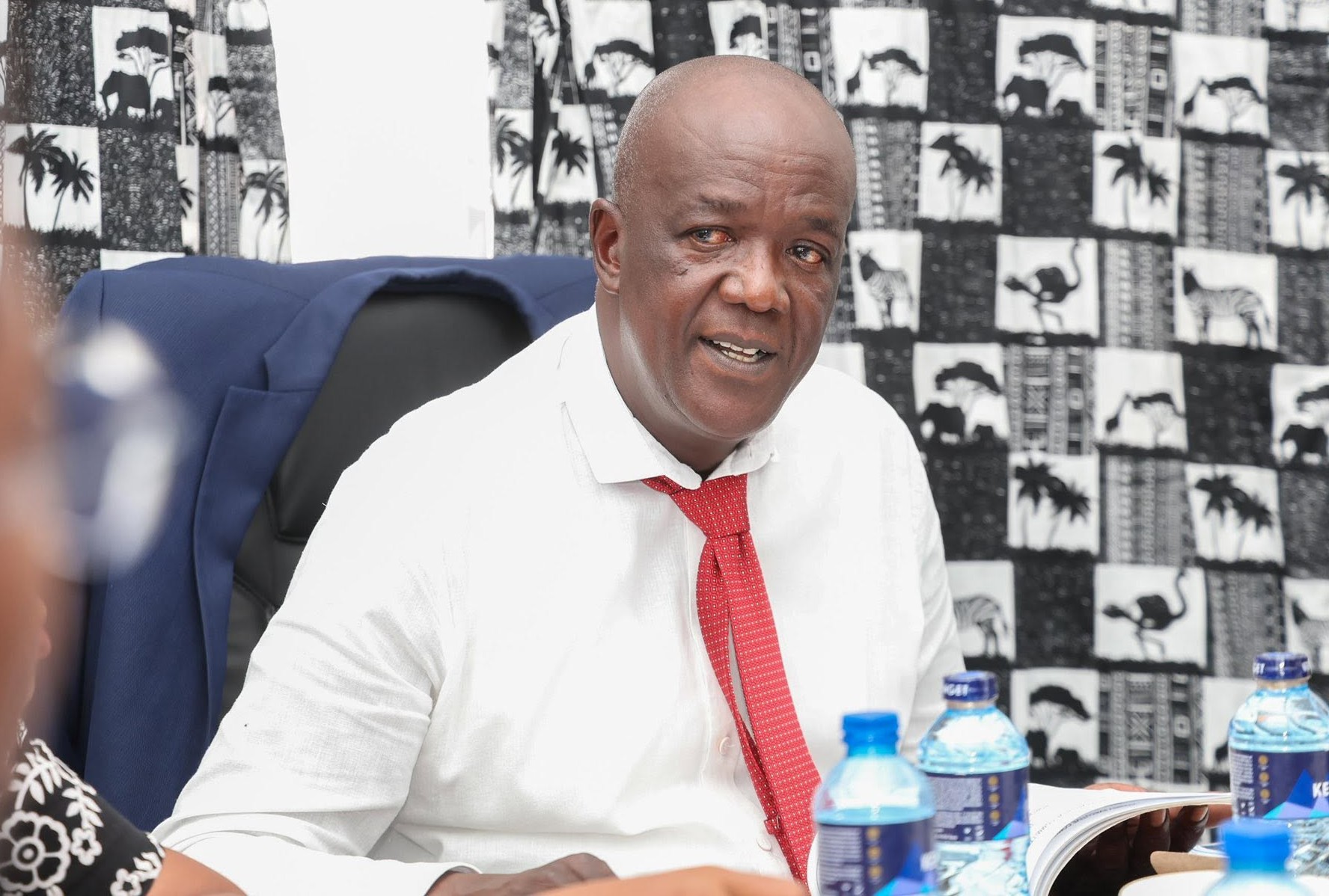
The staggering figure emerged during the Senate Mashinani programme in Kilifi, where the Senate County Public Accounts and Investments Committee met suppliers and contractors in Malindi to hear their grievances over prolonged payment delays.
For some businesses, the wait for payment has gone far beyond an ordinary cash-flow problem.
Suppliers told the committee that they have been left waiting for years for money owed to them after delivering goods or completing contracted works, with some receiving only partial payments while outstanding balances continue to accumulate.
One supplier said the county owes him KSh17 million, while another reported an outstanding debt of KSh16 million.
Joshua Chai, chairperson of the suppliers’ association, said the prolonged delays had pushed some businesses towards financial distress, with some facing auction threats from creditors as they struggle to meet their own obligations.
The complaints place the financial management of Kilifi County under renewed scrutiny, particularly over how pending bills are generated, verified and eventually settled.
Questions were also raised over the handling of payment transactions after the committee was told that 612 transactions valued at KSh3.2 billion had been voided in IFMIS, the government’s electronic financial management system.
The figure adds another layer to the concerns surrounding the county’s payment systems, as suppliers seek explanations over why transactions have been cancelled and what this means for payments already due to businesses.
Suppliers accused the county administration of weaknesses in financial and procurement management, arguing that the uncertainty surrounding payments has made it increasingly difficult for businesses to plan, maintain their workforce and continue taking on government contracts.
The consequences extend beyond individual suppliers.
When a county government delays payment after goods or services have been delivered, businesses can be left with working capital tied up in unpaid invoices. Some may struggle to pay employees, suppliers and lenders, while others can face penalties, mounting interest, creditor pressure and possible closure.
This makes the KSh10.7 billion pending-bills figure more than an accounting issue. It has become a question of how county finances affect the wider private sector and local economy.
Senator Moses Kajwang, chairperson of the Senate committee, said the growing debt was affecting not only the county government but also businesses operating within the county.
Kajwang called for a comprehensive audit and verification of the pending bills to establish which claims are genuine, with verified suppliers considered for payment.
That verification process could prove critical for businesses that have spent years waiting for money after fulfilling their contractual obligations.
At the same time, the exercise could provide the county government with an opportunity to establish the actual composition of the KSh10.7 billion figure, distinguish legitimate claims from disputed ones and determine how the accumulated obligations arose.
The scale of the debt nevertheless raises broader questions for the administration of Governor Gideon Mung’aro over financial controls, procurement management and the county’s ability to meet obligations to businesses contracted to provide public services.
Those questions are likely to persist until the county establishes how much of the pending debt is verified, why some payments have remained outstanding for years and what measures are being taken to prevent the accumulation of new bills.
For suppliers, however, the issue is immediate and personal.
Behind the KSh10.7 billion figure are businesses waiting for money already earned, employees whose livelihoods depend on those businesses and creditors demanding payment from firms that say their own cash is trapped in county government invoices.
As the Senate continues examining Kilifi’s financial affairs, suppliers are now waiting for the verification process to answer the question that has followed their businesses for years: when will the county pay?