



















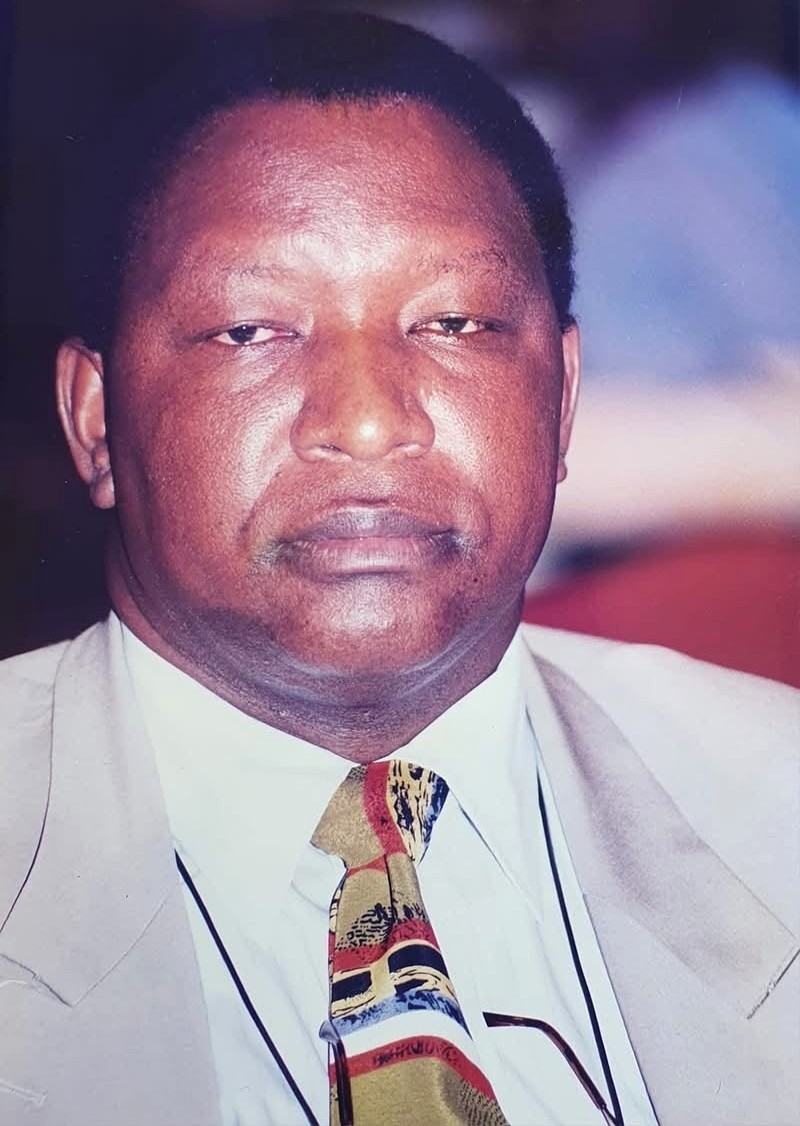
KILIFI, County—Twenty-two years after his death, the name Karisa Maitha still carries considerable weight in Coast political history, where he is remembered by many as a powerful voice for the region and a politician who built a reputation for confronting issues affecting ordinary people.
Maitha died on August 26, 2004, while serving as Tourism and Wildlife Minister in the President Mwai Kibaki government. He was in Germany on an official trip to promote Kenya as a tourist destination when he suffered a heart attack and died in Frankfurt at the age of 50.
His death brought to an abrupt end a political career that had taken him from the health sector into local politics and eventually to the Cabinet.
Maitha began his political journey as a councillor before winning the Kisauni parliamentary seat in 1997. He retained the seat in 2002 under the National Rainbow Coalition (NARC) and was appointed Minister for Local Government in Kibaki’s first Cabinet. He was later moved to the Ministry of Tourism and Wildlife.
It was during his time at Local Government that he acquired the nickname “Hurricane Maitha”, a reference to his energetic and forceful approach to government affairs. Parliament itself noted that his tenure at the ministry earned him the nickname because of the zeal with which he performed his duties.
But at the Coast, his political identity was different.
He was widely known as “Mugogo wa Pwani” — a title associated with his position as a major political figure in the region. The Kenya Yearbook describes the title as reflecting Maitha’s influence at the Coast and his drive to address issues affecting ordinary people.
His supporters remember him not simply as a politician who occupied Cabinet positions, but as a leader who remained closely connected to grassroots concerns.
Historical accounts credit him with championing the interests of mnazi palm-wine tappers and vendors, while also highlighting his efforts to support young people and vulnerable communities. He was also associated with the establishment of the Street Families Rehabilitation Trust Fund during his tenure as Local Government Minister.
That combination of national political power and a strong Coast identity helped make Maitha an unusually influential figure in the region’s political history.
His political career was not without controversy. His rise took place during a turbulent period in Coast politics, including the political tensions surrounding the 1997 Likoni clashes. Historical accounts note that Maitha was investigated over allegations linked to the violence, which he denied. He later moved from KANU to Mwai Kibaki’s Democratic Party and won the Kisauni seat.
For many people at the Coast, however, it is his political activism and accessibility that remain central to his legacy.
More than two decades after his death, the title “Mugogo wa Pwani” remains strongly associated with Maitha — a reflection of the political space he occupied and the impression he left on Coast politics.
His death also left Kisauni without its sitting MP and ended the career of a politician who, despite his controversies, had become one of the most recognisable Coast voices in national government. Parliament formally recorded the Kisauni seat as vacant following his death.
As Kenya marks 22 years since his death, the question is not simply who Karisa Maitha was, but why his name continues to evoke such strong memories among people at the Coast.
For a region that has produced many influential political figures, Maitha’s legacy remains distinctive: a leader remembered as much for the force of his personality and his connection to Coast interests as for the Cabinet positions he held.