






















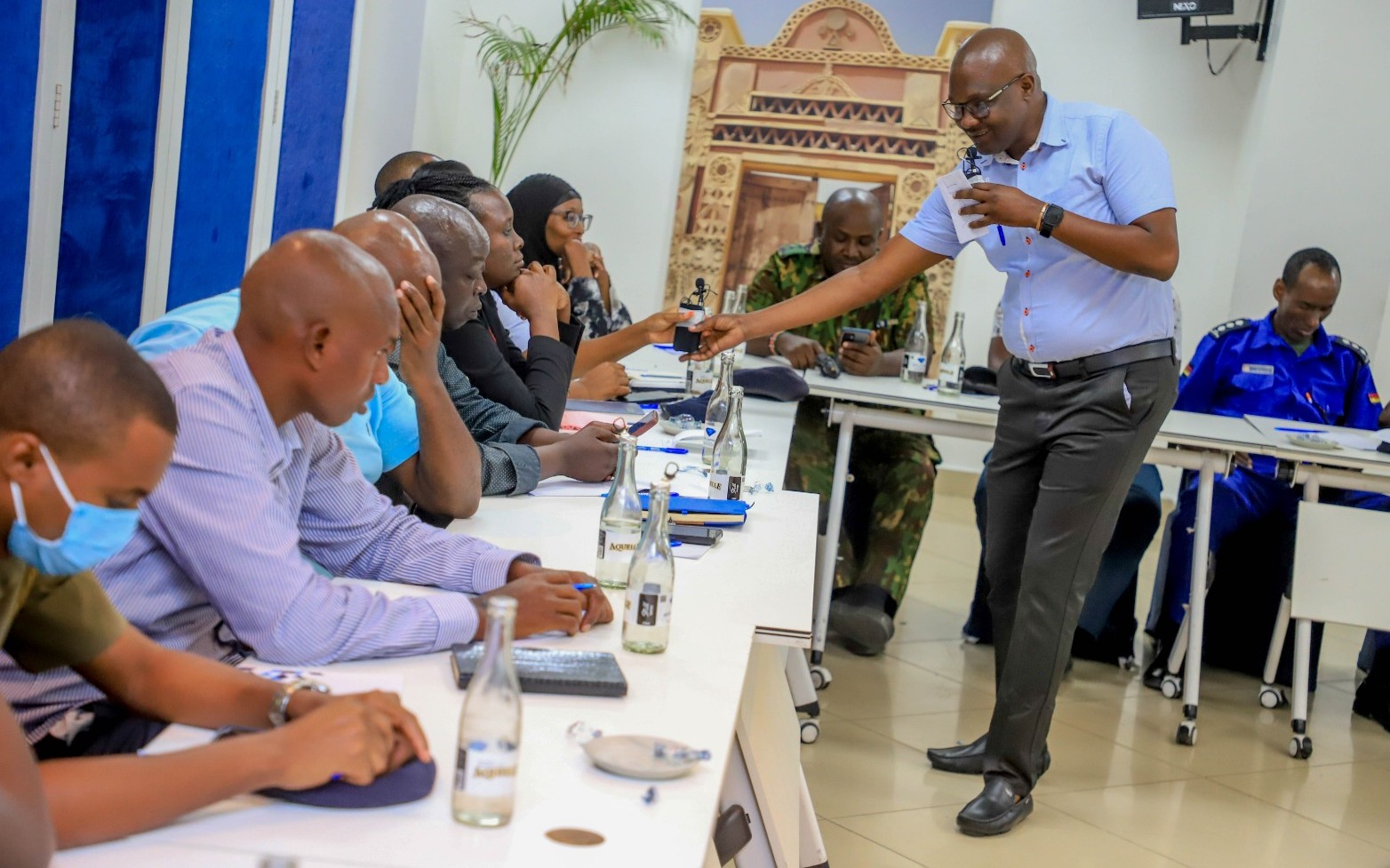
MOMBASA, Kenya — Reachout Centre Trust has called for greater investment in the mental well-being of police officers, arguing that healthy law enforcement personnel are better equipped to support drug users seeking recovery while strengthening community-based efforts to combat substance abuse.
The call came during a mental health and harm reduction sensitisation for senior police officers drawn from across Mombasa County, where participants discussed stress management, HIV prevention, human rights and policing approaches that encourage treatment rather than stigma.
Reachout Centre Trust’s Head of Paralegal and Outreach, Pili Saria, said police officers remain critical partners in responding to drug addiction because they are often the first point of contact for people affected by substance abuse.
According to Saria, supporting officers’ mental health enables them to make informed decisions, engage communities more effectively and contribute to rehabilitation efforts instead of focusing solely on punitive responses.
“Police officers serve communities every day, often under immense pressure. If they are struggling with their own mental health, it becomes difficult for them to provide the support that vulnerable members of society need. By investing in their well-being, we strengthen their ability to protect communities while supporting people affected by drug use on their journey to recovery,” Saria said.
He said young people continue to bear the greatest burden of drug and substance abuse, making collaboration between civil society organisations, healthcare providers and the National Police Service (NPS) critical in preventing addiction, supporting recovery and promoting safer communities.
Saria noted that the long-standing partnership between Reachout Centre Trust and the National Police Service has strengthened public awareness on the dangers of drug abuse while encouraging a public health approach that balances law enforcement with harm reduction and rehabilitation.
“Our collaboration with the National Police Service has enabled us to reach more communities with life-saving information on drug abuse. When officers understand mental health and harm reduction, they become partners in recovery by helping vulnerable individuals access support instead of deepening stigma and isolation,” he said.
Mental health expert Mariam Musa, who facilitated the psychosocial support session, said police officers routinely work under emotionally demanding conditions that expose them to chronic stress, trauma and psychological fatigue.
She said the nature of policing requires continuous mental health support to help officers manage the pressures associated with long working hours, emergencies, violence and the expectations placed upon them by society.
“We see police officers working day and night to keep our communities safe, yet many people forget that they are human beings with emotions, families and personal struggles. Too often, they are viewed as machines expected to keep going regardless of what they experience,” Mariam said.
She noted that prolonged exposure to traumatic incidents without adequate psychosocial support can affect officers’ emotional well-being, decision-making and interactions with the public.
“Every day they carry enormous emotional burdens in their minds. Some witness traumatic events, others struggle with long hours away from their families, and many suppress their emotions because they believe they must always appear strong. Our role is to provide a safe space where they can offload those burdens, strengthen their resilience and safeguard their mental health,” she added.
Mariam said investing in the psychological well-being of police officers not only improves their quality of life but also contributes to more compassionate policing, healthier workplaces and stronger relationships between law enforcement and the communities they serve.
The training also provided officers with updates on HIV prevention, treatment and care while highlighting the importance of protecting the rights of key populations and creating an environment where people who use drugs can safely access essential health services.
Mr Saria said strengthening partnerships between government institutions, healthcare providers and community organisations remains key to tackling drug abuse through prevention, treatment, rehabilitation and public education while ensuring law enforcement officers receive the support they need to continue serving the public effectively.