





















SIAYA, County — The national government has stepped up efforts to combat respiratory illnesses by promoting clean cooking technologies, with officials urging households to shift away from traditional fuels blamed for indoor air pollution and related health complications.
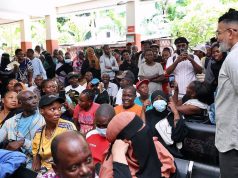
The call was made during the launch of a two-day free respiratory medical camp at the Kenya Medical Training College (KMTC) Siaya Campus, organised through a partnership involving the Energy and Petroleum Regulatory Authority (EPRA), the Siaya County Government, Kenya Medical Training College and the Chronic Diseases Society.
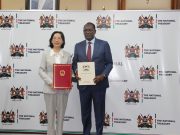
Speaking during the event, Energy and Petroleum Cabinet Secretary Opiyo Wandayi said the government is working towards achieving universal access to clean cooking by 2028 through the Kenya National Cooking Transition Strategy, which seeks to expand access to cleaner and affordable cooking technologies across the country.
He noted that millions of Kenyan households still rely on firewood and charcoal for cooking, exposing families—particularly women, children and the elderly—to smoke that contributes to respiratory diseases and other health complications.
EPRA Acting Director General Dr. Eng. Joseph Oketch said the Authority is working with stakeholders to create a safe regulatory environment for the adoption of clean cooking solutions, including liquefied petroleum gas (LPG), electric cooking and biogas.
He said the medical camp combines free respiratory screening, diagnosis and treatment with public education on clean cooking, energy efficiency and measures to reduce exposure to household air pollution.
According to organisers, about 68.5 per cent of Kenyan households continue to depend on traditional cooking fuels, increasing the risk of respiratory illnesses associated with prolonged exposure to indoor smoke. Data presented during the event also showed severe pneumonia cases are concentrated among children under five, highlighting the need for targeted interventions.
Residents attending the two-day outreach received free medical consultations, respiratory screening and treatment, while clean cooking technology providers showcased alternatives aimed at reducing indoor air pollution and improving household health.
The initiative forms part of broader efforts by the national and county governments to integrate energy planning with public health strategies, using cleaner household energy as a tool to reduce preventable respiratory diseases and improve the wellbeing of vulnerable communities.