




















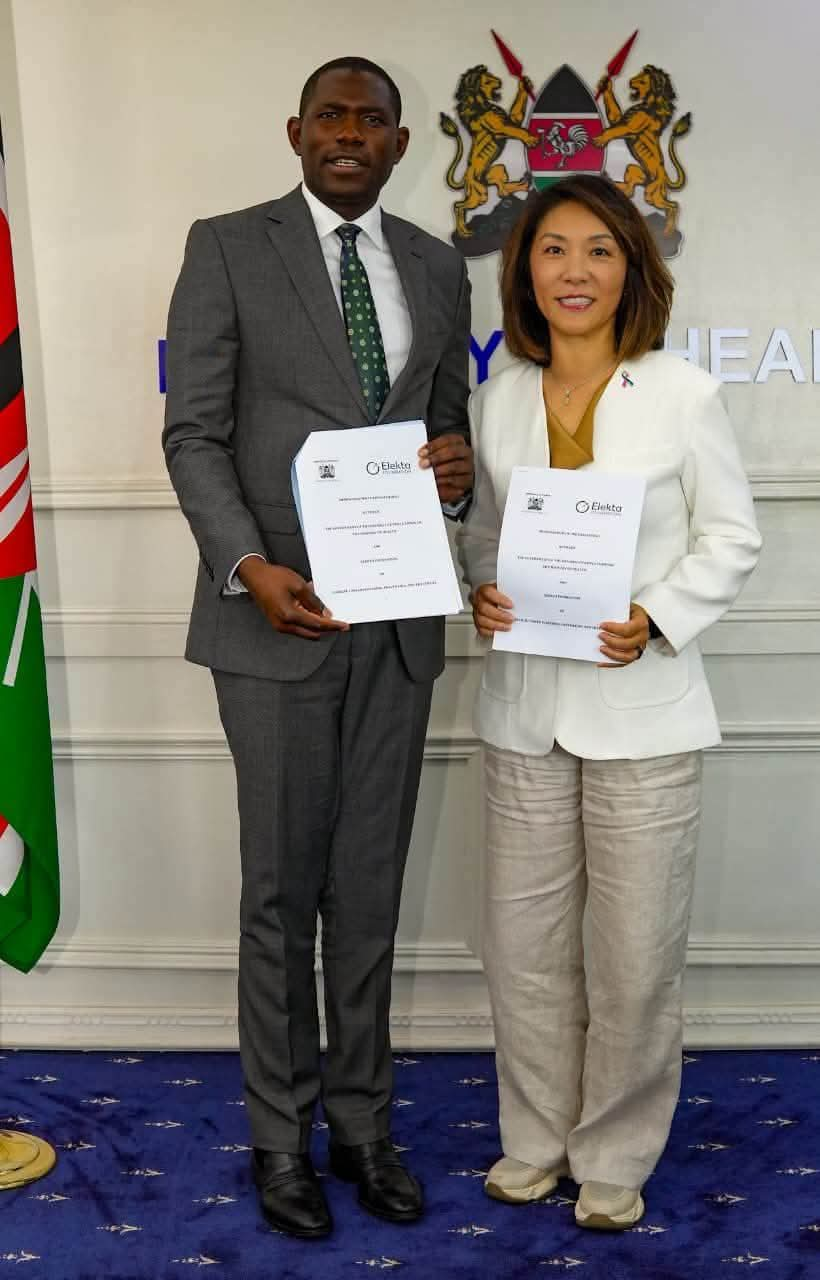
As thousands of women continue to die from a largely preventable disease, Kenya is seeking to strengthen vaccination, screening and access to treatment through a new partnership with Elekta Foundation.
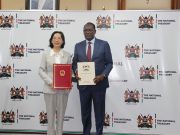
Kenya is stepping up its fight against cervical cancer through a five-year partnership with Elekta Foundation, in a renewed push to address a disease that continues to claim thousands of lives despite advances in prevention and treatment.
The partnership, formalised through a Memorandum of Understanding (MoU), is expected to support national efforts in cervical cancer prevention, screening, early diagnosis and treatment.

The move comes against the backdrop of worrying statistics. According to 2022 estimates cited by the Ministry of Health, Kenya recorded approximately 5,845 new cervical cancer cases and 3,591 deaths, highlighting the scale of the public health challenge.
While cervical cancer is largely preventable, persistent gaps in early detection and access to treatment continue to undermine efforts to reduce the disease burden.
VACCINATION AND SCREENING AT THE CENTRE OF PREVENTION
Most cases of cervical cancer are associated with persistent infection with high-risk strains of the Human Papillomavirus (HPV), making vaccination a critical tool in preventing the disease.
Kenya introduced HPV vaccination in 2019, targeting girls to protect them against infections that can lead to cervical cancer later in life.
However, vaccination must be complemented by regular screening and timely treatment of precancerous lesions to prevent the disease from progressing.
The World Health Organization’s 2030 elimination strategy sets ambitious targets for countries: vaccinating 90 per cent of girls against HPV by age 15, screening 70 per cent of women using high-performance tests by ages 35 and 45, and ensuring 90 per cent of women diagnosed with cervical precancer or cancer receive appropriate treatment.
THE CHALLENGE GOES BEYOND PREVENTION.
Kenya’s National Cervical Cancer Elimination Action Plan 2026–2030 provides a framework for accelerating vaccination, expanding screening, strengthening diagnostic services and improving access to treatment.
However, translating these commitments into better health outcomes remains a major challenge.
Limited screening coverage, inadequate diagnostic capacity and barriers to specialised treatment continue to expose women to late diagnosis.
For women in underserved communities, the challenges are often compounded by long distances to health facilities, financial constraints and limited access to specialised healthcare services.
This means that identifying women at risk is only part of the solution. The healthcare system must also ensure that those who test positive can access timely diagnosis, referral and treatment.
PARTNERSHIP PUT TO THE TEST
The five-year collaboration with Elekta Foundation presents an opportunity to strengthen Kenya’s response to cervical cancer, particularly in improving healthcare capacity and supporting access to essential services.

However, the success of the agreement will ultimately be measured by its impact on women, particularly those who face the greatest barriers to accessing healthcare.
Expanding screening programmes without strengthening referral systems and treatment capacity risks leaving many women diagnosed with the disease without the care they urgently need.
As Kenya works towards the WHO’s 2030 elimination targets, sustained investment, community awareness, improved healthcare infrastructure and equitable access to services will remain critical.
For thousands of women, the fight against cervical cancer is not simply about preventing the disease. It is also about ensuring that an early diagnosis does not become a missed opportunity for treatment and survival.