





















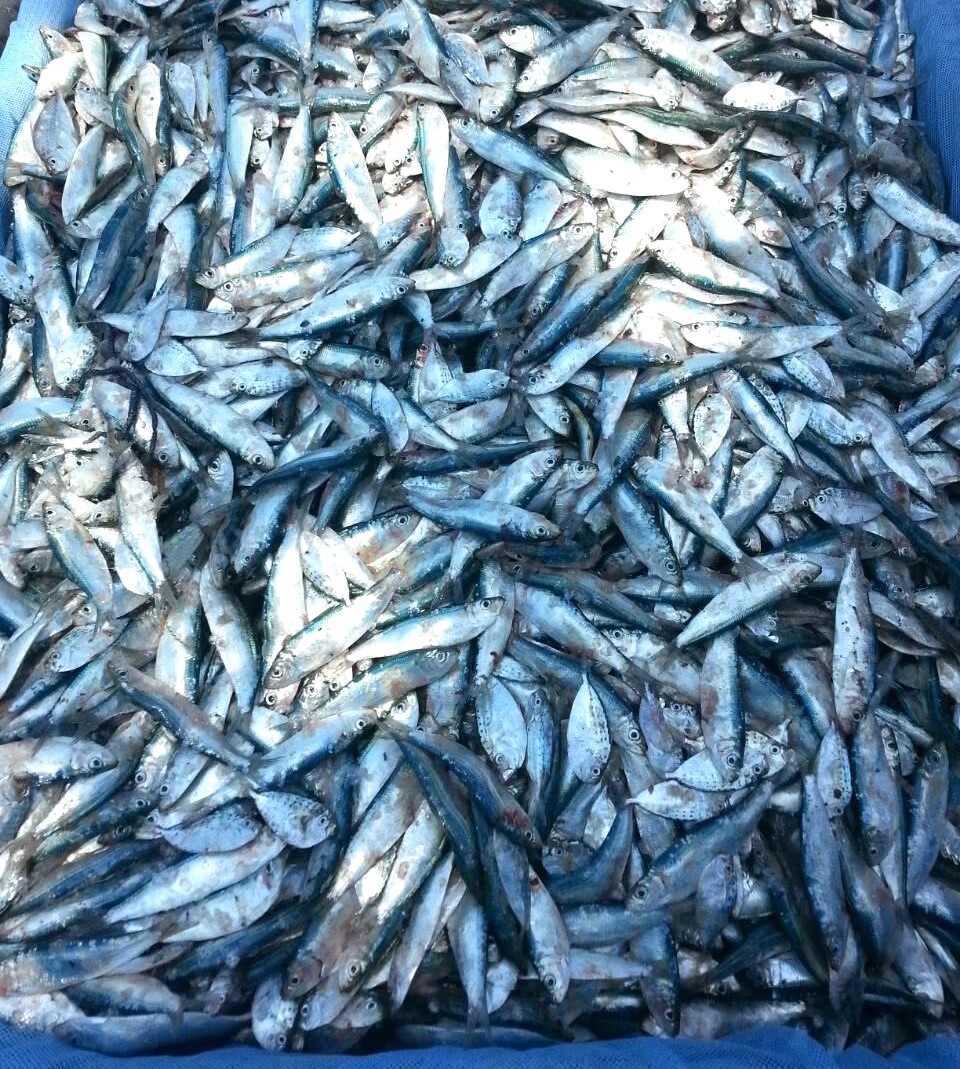
From mangrove restoration and turtle protection to sustainable fishing and seaweed farming, community groups in Kwale are demonstrating how protecting the Indian Ocean can sustain livelihoods.
MWAZARO, Kwale County—Coastal communities have been urged to take a leading role in protecting the Indian Ocean and its natural resources as Kenya seeks to unlock the economic potential of its blue economy.
For thousands of families along Kenya’s coastline, the ocean is more than a natural resource. It provides food, employment and economic opportunities through fishing, tourism and other marine-related activities.
However, the long-term benefits of these resources depend heavily on the protection of marine ecosystems, including mangrove forests, coral reefs and seagrass beds, which sustain biodiversity and support coastal livelihoods.
It is against this backdrop that coastal communities have been encouraged to embrace conservation initiatives while exploring sustainable economic opportunities under Kenya’s blue economy agenda.
Patrice Jilani Ngala, Deputy Director of the Kenya Fisheries Service, Coast Region, said communities should take advantage of emerging opportunities under the National Blue Economy Strategy while ensuring that marine resources remain sustainable.
Speaking during the commemoration of World Fisheries Day at Kwa Bidan Beach in Mwazaro, Kwale County, Ngala said the government, together with various stakeholders, launched a 20-year National Blue Economy Strategy in February, which is expected to generate approximately KSh350 billion through proposed projects.
He identified blue carbon ecosystems, particularly coastal habitats such as mangrove forests, as important components of the strategy.
“Communities should take advantage of this opportunity and scale up the blue carbon ecosystem,” he said.
Blue carbon refers to carbon captured and stored by coastal and marine ecosystems, including mangroves and seagrass beds, which are increasingly recognised for their environmental and economic importance.
Ngala said the Kenya Fisheries Service had put support mechanisms in place to help coastal communities participate in sustainable fisheries management, including licensing Beach Management Units (BMUs) and supporting alternative livelihood activities.
He cited beekeeping and poultry farming as some of the initiatives being promoted to reduce excessive dependence on fishing and ease pressure on marine resources.
“We have supported communities to take up beekeeping and poultry farming so that there is less pressure on fish, which they largely depend on, and the resource remains sustainable,” Ngala said.
Conservation-based livelihoods
Beyond government interventions, community-based organisations are increasingly working with coastal residents to demonstrate how environmental conservation can complement economic empowerment.
One of the organisations involved in these efforts is Community Action for Nature and Conservation (CANCO), which has been working directly with 12 community groups across Kwale County.
The groups are involved in various livelihood initiatives designed to encourage responsible use of the Indian Ocean while protecting the ecosystems that support marine life.
Their activities include planting and restoring mangroves, protecting sea turtles, promoting responsible fishing practices to discourage overfishing and engaging in seaweed farming.
Other conservation efforts focus on safeguarding seagrass ecosystems, which provide important habitats for marine organisms and contribute to the health of coastal waters.
The initiatives are particularly significant in Lungalunga and Msambweni sub-counties, where CANCO has been engaging communities through grassroots awareness, capacity building and conservation activities.
CANCO Executive Director Hardley Becha said sustained engagement with communities had helped transform how local residents relate to the ocean and its resources.
“What we have been doing since we started engaging these groups at the grassroots level has transformed our communities. Young people, women and other community groups are now using the Indian Ocean responsibly to earn a living while protecting it. They are avoiding overfishing and activities that interfere with mangroves and coral reefs.
“We have also empowered these groups to understand the policies governing the marine sector so that they can comply with the law, while ensuring that authorities do not oppress them or deny them their rights,” said Becha.
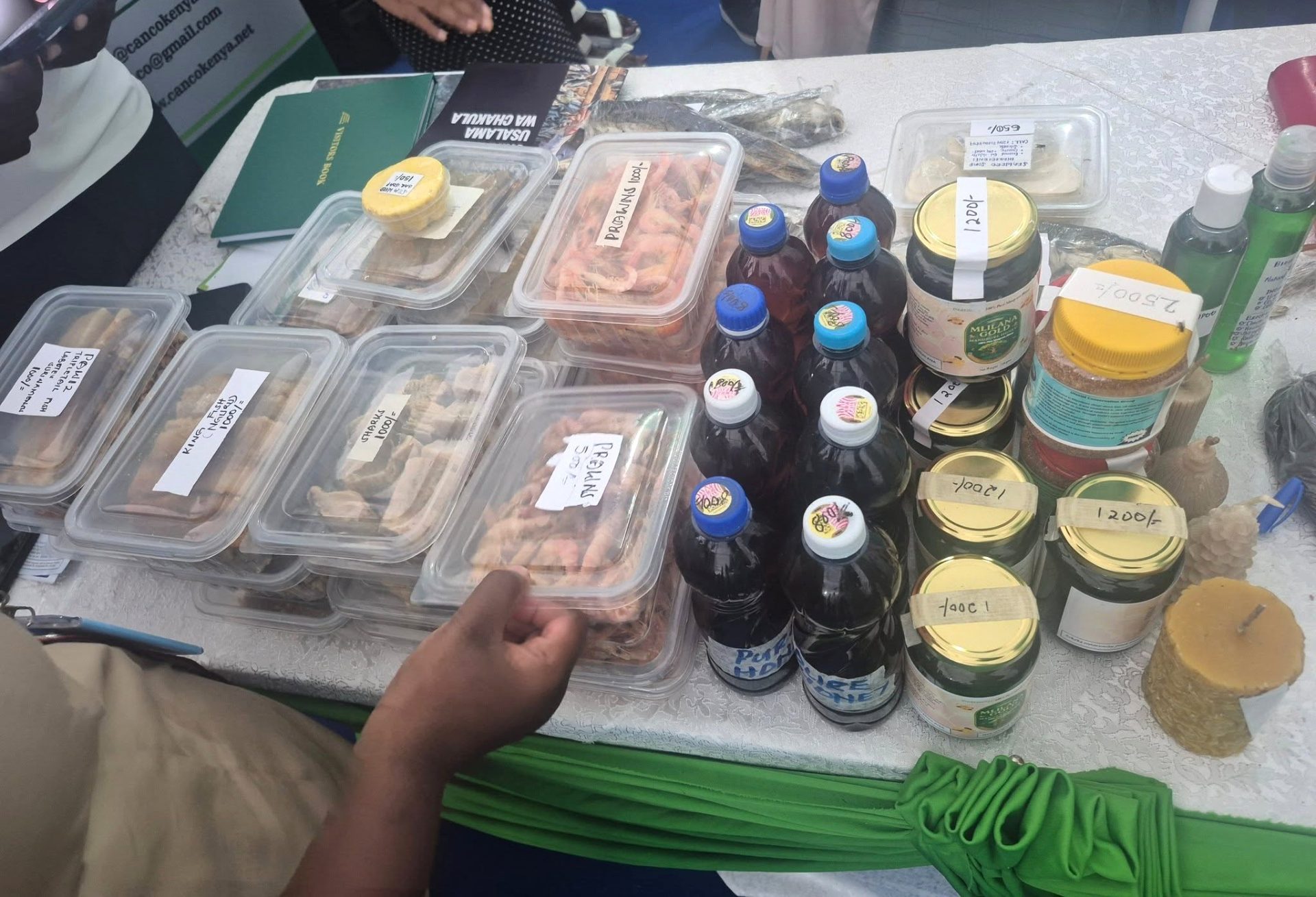
[Some of the products displayed from indian conservation livelihood projects implemented by the Community Action for Nature Conservation (CANCO). Among the products is honey that is harvested conserving the mangroves along the sea shores. Photo/Ahmed Omar/Nov’ 29, 2026].
His remarks point to another important aspect of community-led conservation: empowering residents to understand the laws and policies governing marine resources while ensuring that their voices are represented in decisions affecting their livelihoods.
For communities whose economic survival depends heavily on fishing and other ocean-related activities, understanding these regulations can help reduce conflicts while strengthening responsible resource management.
Communities voice in ocean governance
Joyce Keingati, Programme Manager for the Small-Scale Fisheries Project at CANCO, said capacity building had enabled communities to better understand the laws and policies governing the fisheries sector.
She noted that informed communities were increasingly taking responsibility for conservation while recognising the importance of participating in decisions affecting their natural resources.
“Through capacity building, communities now understand the laws and policies that govern this sector, and that has put them at the forefront of conservation,” she said.
Keingati added that community voices must be incorporated into decision-making processes, saying CANCO would continue working with local groups to advocate for stronger coastal development programmes under the blue economy.
The need for community-led solutions was also emphasised by UNDP’s Nancy Chege, who said residents should be at the forefront of addressing challenges threatening their natural resources.
As CANCO’s project approaches its scheduled conclusion in December 2026, the progress made with the 12 community groups also raises the importance of sustaining these conservation and livelihood initiatives beyond the project’s lifespan.
Ensuring that communities retain the knowledge, organisational capacity and opportunities to continue their work will be critical in maintaining the gains made through grassroots engagement.
As Kenya advances its blue economy ambitions, the experience emerging from Kwale offers an important perspective on the relationship between environmental protection and economic development.
The success of such initiatives will depend not only on government investment and policy frameworks but also on whether local communities have the knowledge, resources and opportunities to participate meaningfully.
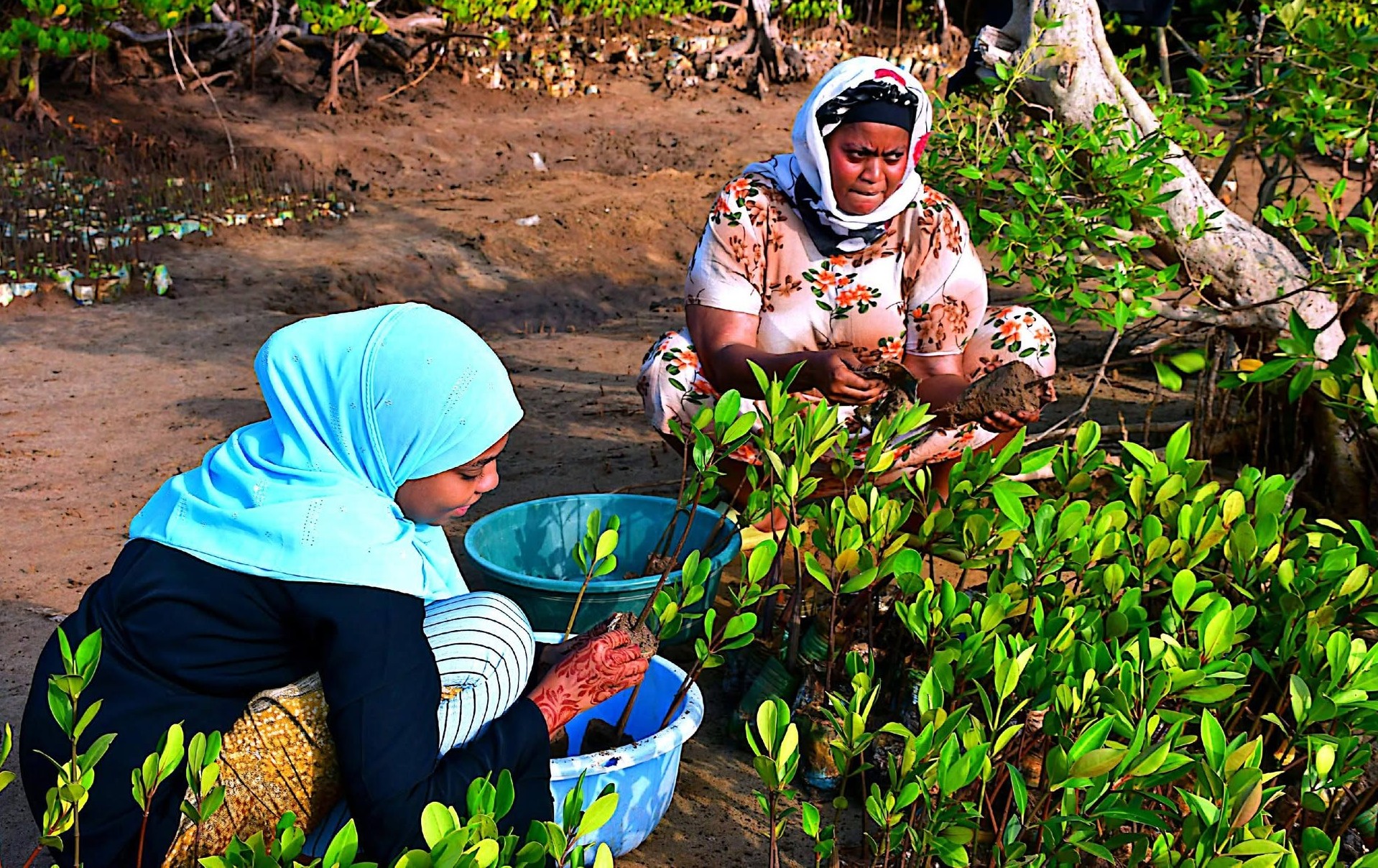
[Women at the Vanga beach in Lungalunga Constituency partipating in planting mangroves. Mangrove planting has proved to be a way of conserving fish breeding areas. Photo/Ahmed Omar/Nov’ 29, 2026].
For coastal residents, protecting mangroves, coral reefs, seagrass beds and fisheries is ultimately about safeguarding more than the environment. It is about protecting food sources, livelihoods and economic opportunities for generations to come.
World Fisheries Day, marked annually on November 21, recognises the contribution of fishers and fish workers to food security, livelihoods and economic development. This year’s global theme focuses on empowering people for change and advancing decent work in fisheries and aquaculture, particularly for women and young people.