








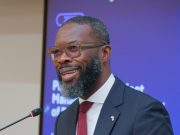

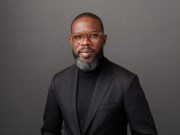





NAIROBI, Kenya—Independent Electoral and Boundaries Commission (IEBC) chairman Erastus Ethekon has dismissed allegations that the commission has been compromised ahead of the 2027 General Election, insisting that it will independently and transparently discharge its constitutional mandate.
Ethekon described claims of bribery, electoral manipulation and planned rigging as propaganda capable of undermining public confidence in the electoral process and discouraging voter participation.
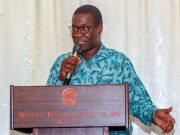
Speaking during a consultative breakfast meeting with political reporters in Nairobi on Tuesday, the chairman challenged journalists to scrutinise allegations made by political actors rather than amplify unverified claims.
He maintained that the commission had nothing to conceal about its preparations and that political party agents, journalists, election observers and other stakeholders would be allowed to monitor the electoral process from polling stations to the national tallying centre.
“There is nothing to hide, contrary to what some of the politicians are trying to make ordinary citizens believe. IEBC is not hiding anything because the results belong to the people and we will all be there,” Ethekon said.
His remarks come amid accusations by former Deputy President Rigathi Gachagua, who has repeatedly questioned the chairman’s independence and alleged that politicians had purchased him a house in Karen to influence the management of the 2027 elections.
On November 20, Gachagua accused Ethekon of being aligned to President William Ruto, claiming that the alleged property purchase was part of a scheme to compromise the commission.
The allegations had also surfaced in August, when Gachagua claimed that a house worth Sh200 million had been purchased for the IEBC chairman. He attributed the alleged disclosure to National Assembly Majority Leader Kimani Ichung’wah. The claims remain allegations and have not been independently established.
Ethekon also addressed questions surrounding the finality of presidential election results, insisting that results declared at polling stations form the basis of subsequent tallying and verification processes.
“Results at the polling stations are final. The rest is secretarial work, something that all of us can do. But as IEBC, we have the constitutional mandate to make sure those results are collected, tallied and verified,” he said.
He said journalists and other stakeholders would have access to the final stages of verification and announcement of results, alongside political party agents and international observers.
The chairman further cautioned against misinformation, disinformation and hate speech, warning that irresponsible political communication and sensational media coverage could heighten tensions as the country approaches the August 2027 polls.
Recalling the 2007-2008 post-election violence, in which more than 1,000 people were killed, Ethekon urged politicians and media organisations to exercise caution when discussing sensitive electoral matters.
He also recounted his experience during the 1992 election-related violence, when armed youths stopped the vehicle he was travelling in and questioned him about his ethnic identity.
Ethekon said the experiences reinforced the need for responsible political engagement and accurate reporting, particularly as misinformation increasingly spreads through digital platforms.
“While rumours may sell better, truth buys you credibility,” he said, urging media houses to strengthen fact-checking and verify claims concerning voter registration, election technology and results transmission.
Beyond the media engagement, Ethekon announced that the commission was preparing for an enhanced mass voter registration exercise expected to begin in January 2027, with specific dates to be communicated later.
He called on media organisations to support voter education and mobilisation to encourage more Kenyans to register and participate in the elections.
The commission also plans to establish a communications hub as the election approaches to facilitate direct access to information and allow journalists to observe its electoral operations.
Ethekon said IEBC would maintain regular engagement with media organisations through a memorandum of understanding with the wider Kenya media sector working group, providing for consultations, information sharing and training on electoral processes.
He reaffirmed the commission’s commitment to delivering peaceful, free, fair, credible and inclusive elections, urging journalists to question both the commission and political actors while maintaining factual accuracy.
“Inform responsibly, question courageously. Don’t fret, question users, but be factual. Verify what we are telling you and what other actors are telling you,” he said.