




















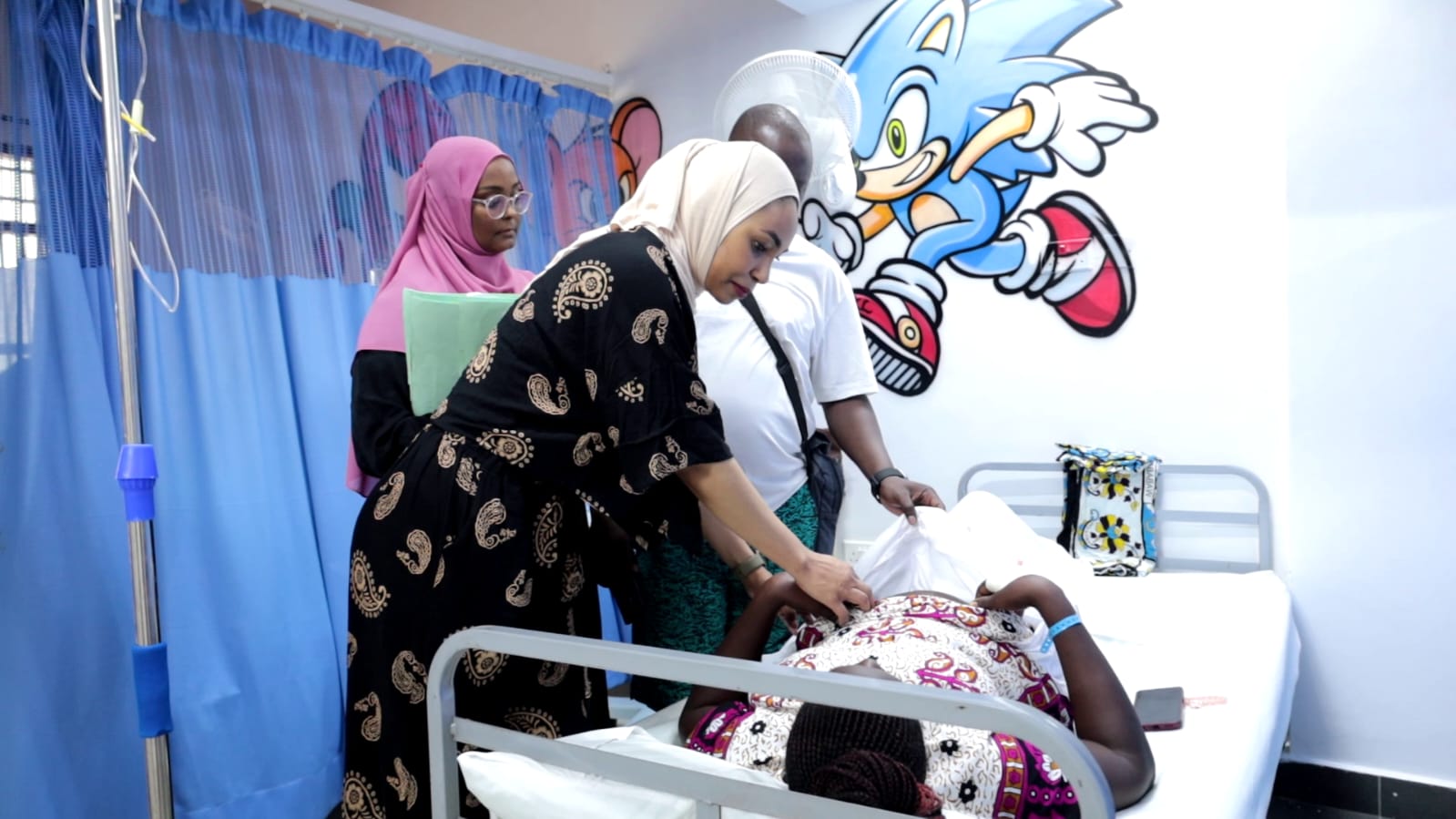
For nearly five years, Faith lived with persistent pain that took her from one health facility to another in search of a diagnosis and treatment.
The pain worsened over the past year, eventually making it difficult for her to sleep comfortably on her left side. She likened the discomfort to the pain of giving birth.
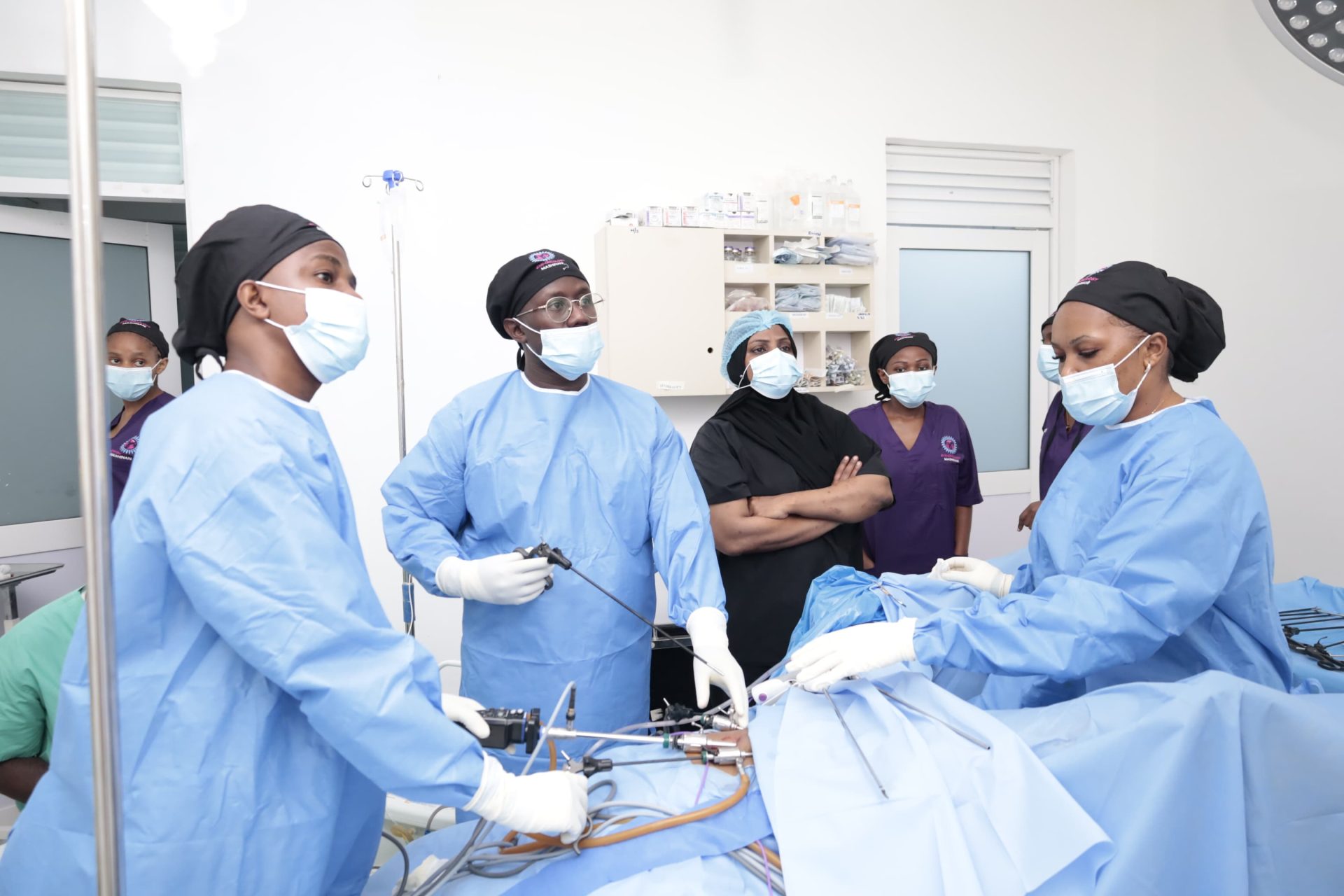
It was only after reaching Langoni Hospital in Lamu County that she finally received specialised treatment, undergoing surgery to remove an ovarian cyst during a medical outreach programme.
Faith is among 28 women who underwent free gynaecological surgeries during a three-day Gynae-Oncology Mashinani outreach held in Lamu between November 17 and 19, 2026.
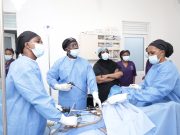
The programme brought together a multidisciplinary team of specialists to provide surgical services to women who face challenges accessing specialised healthcare, particularly due to the high cost of treatment and shortage of specialists in their local facilities.
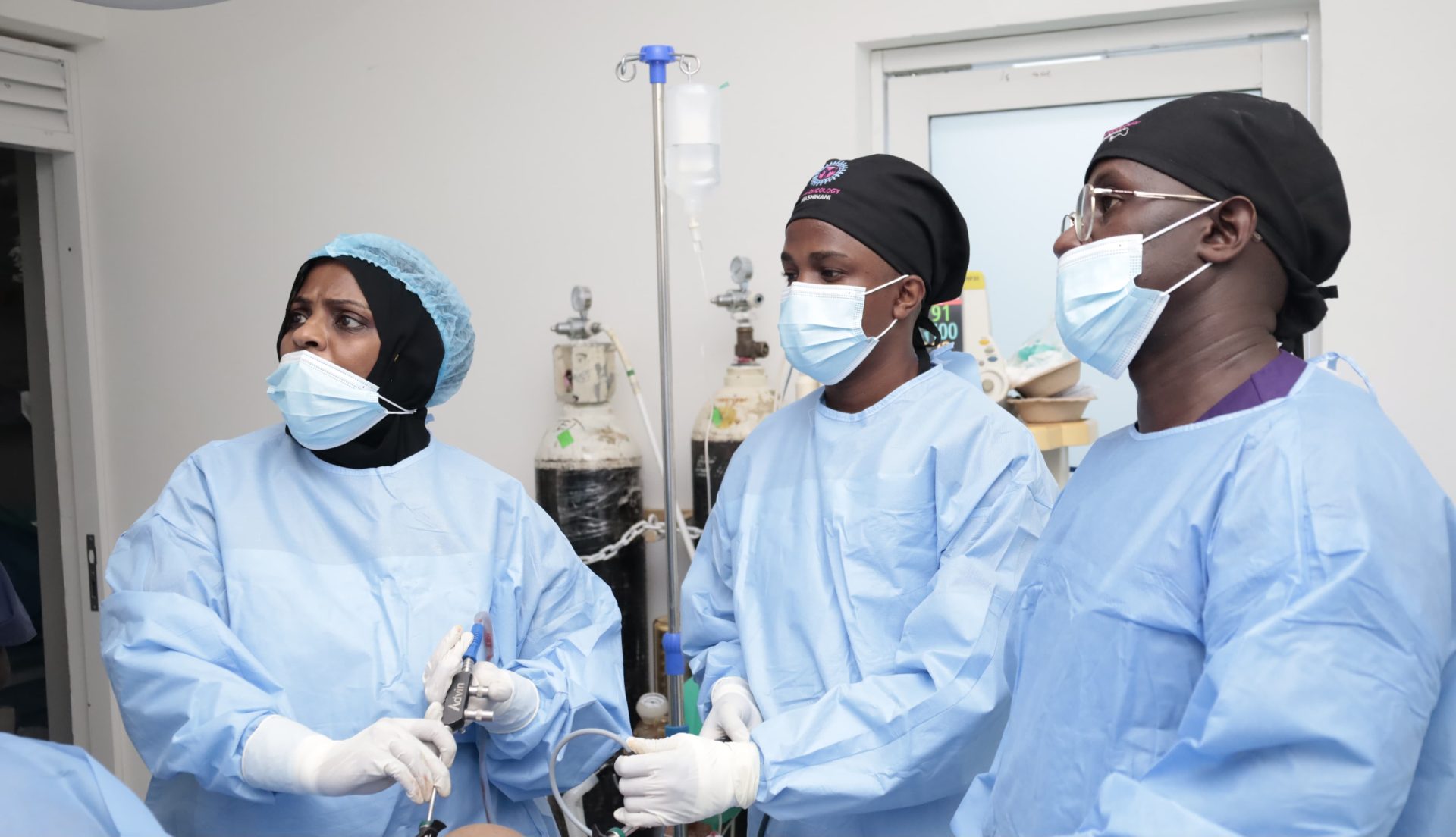
By the final day, all 28 patients had undergone surgery, with three operating theatres running simultaneously.
The outreach has also highlighted the difficulties women encounter in seeking treatment, with some patients travelling between 200 and 400 kilometres to access services that are not readily available in their counties.
Closing the gap in specialised care Dr Victor Otieno Tetty, an obstetrician-gynaecologist, gynaecological oncologist and pelvic laparoscopic surgeon, says the initiative is not limited to providing free surgeries but also seeks to strengthen the capacity of local healthcare workers.
Dr Tetty, one of the founders of the Gynae-Oncology Mashinani Outreach Programme, says visiting specialists work alongside local doctors, nurses and theatre personnel to transfer skills and improve the management of patients.
“When you look at the bigger picture, it is not just about bringing services closer to the community. It is also about training and empowering the local team so they can continue managing these patients even after we leave,” he says.
He adds that women who receive treatment can help raise awareness in their communities by sharing their experiences and encouraging others to seek medical attention.
“When a patient undergoes surgery and returns to her community, she becomes one of our biggest ambassadors. She can share her experience and help spread the message that cancer is not a death sentence,” says Dr Tetty.
The medical specialists volunteer their services as part of efforts to improve access to specialised treatment among underserved communities.
Cost and distance remain barriers
The high cost of specialised gynaecological procedures continues to place treatment beyond the reach of many women.
According to Dr Tetty, some procedures can cost between Sh700,000 and Sh1 million in other healthcare settings, making it difficult for patients from low-income households to access timely care.
The outreach seeks to remove this financial burden by bringing specialists closer to communities and offering the services at no cost to beneficiaries.
“We make sure that patients get to access these specialised services close to where they stay, without any extra pay. That is what Gynae-Oncology Mashinani does,” he says.
Distance is another challenge, particularly for women living in areas with limited access to specialists.
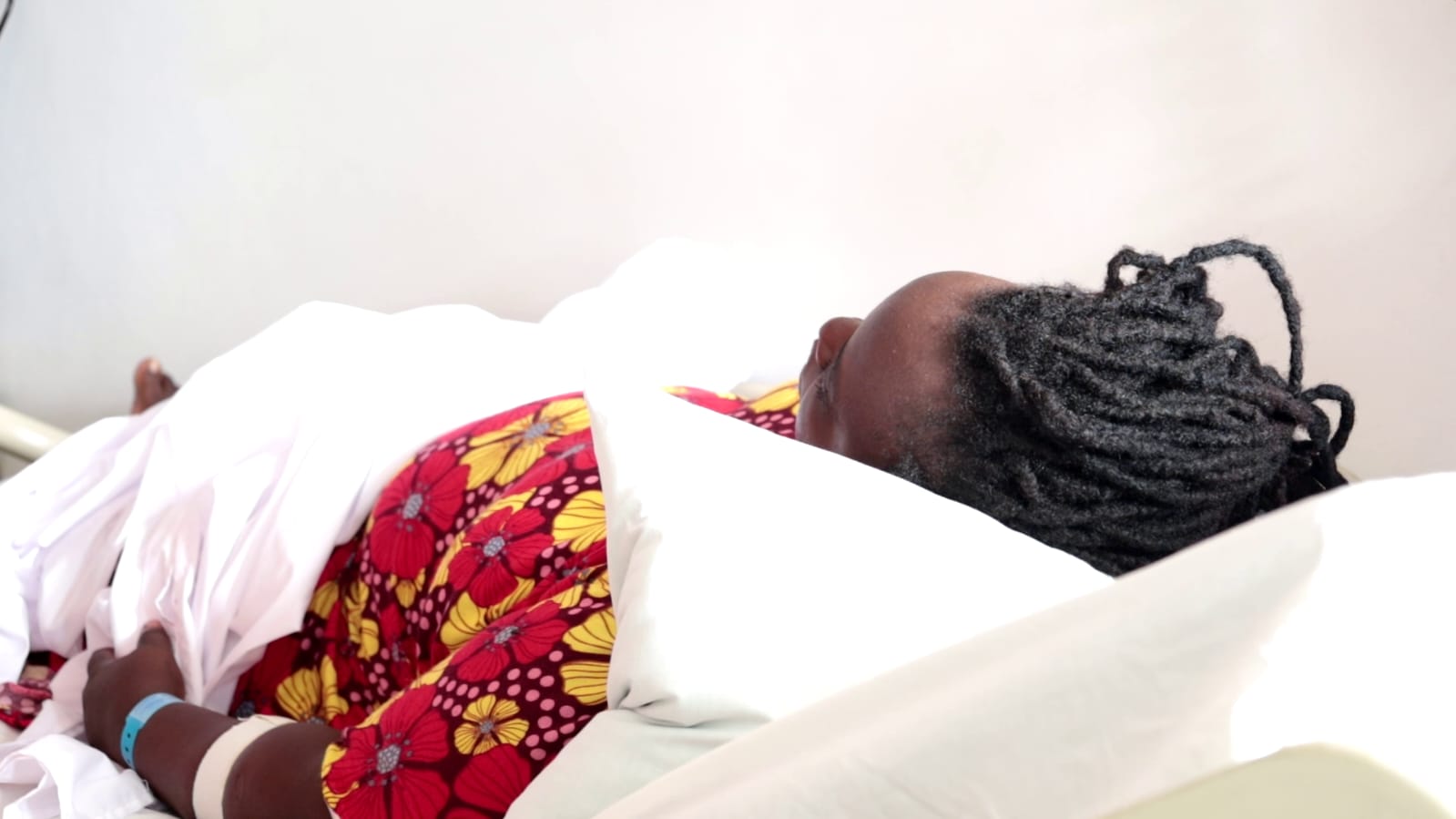
Some of the patients who travelled to Lamu came from as far as Bungoma, while others covered distances of between 200 and 400 kilometres.
Mariam, who travelled from Watamu in Kilifi County, had lived with a gynaecological condition for a long time but delayed seeking treatment because of fear and uncertainty about her illness.
After undergoing surgery, she is encouraging other women not to allow fear to prevent them from seeking medical attention.
Prisila travelled from Taita Taveta County after experiencing fertility challenges associated with blocked fallopian tubes and fibroids.
Their journeys illustrate the extent to which women are sometimes forced to cross county boundaries in search of specialised reproductive healthcare.
Endometriosis and delayed diagnosis
Endometriosis is among the conditions being managed during the outreach.
The World Health Organization estimates that the condition affects about one in 10 women and girls of reproductive age globally.
It occurs when tissue similar to the lining of the uterus grows outside the uterus, potentially causing severe menstrual pain, chronic pelvic pain and difficulties conceiving.
Diagnosis can take years, leaving some women struggling with persistent symptoms before receiving appropriate treatment.
Medical specialists say greater awareness of gynaecological conditions and their symptoms is necessary to encourage early diagnosis and prevent complications.
Dr Bijuma Mitwani, one of the doctors performing surgeries during the outreach, is urging women not to ignore warning signs such as abnormal vaginal discharge, irregular menstrual cycles and pain during sexual intercourse.
She says delaying medical attention can worsen underlying conditions, complicate treatment and increase the cost of healthcare.
“Women should not wait until their symptoms become severe before seeking medical attention. Delaying treatment can make a condition worse, increase the cost of treatment and in some cases, reach a stage where it may no longer be treatable,” she says.
Dr Mitwani also advises women experiencing difficulties conceiving to seek medical assessment rather than wait for years without establishing the cause.
Dr Tetty cautions against normalising severe menstrual pain, saying it should not automatically be considered a routine part of a woman’s reproductive health.
“Women should actually not normalise period pains,” he says.
The specialists say early medical assessment remains critical, particularly where symptoms persist or interfere with daily activities.
For Faith and the other women who underwent surgery in Lamu, the outreach has provided an opportunity to access treatment after years of uncertainty.
However, their experiences also raise broader questions about the availability, affordability and distribution of specialised reproductive healthcare services, particularly for women living far from major referral hospitals.