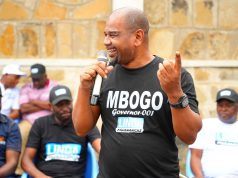





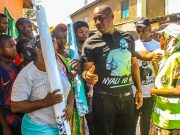








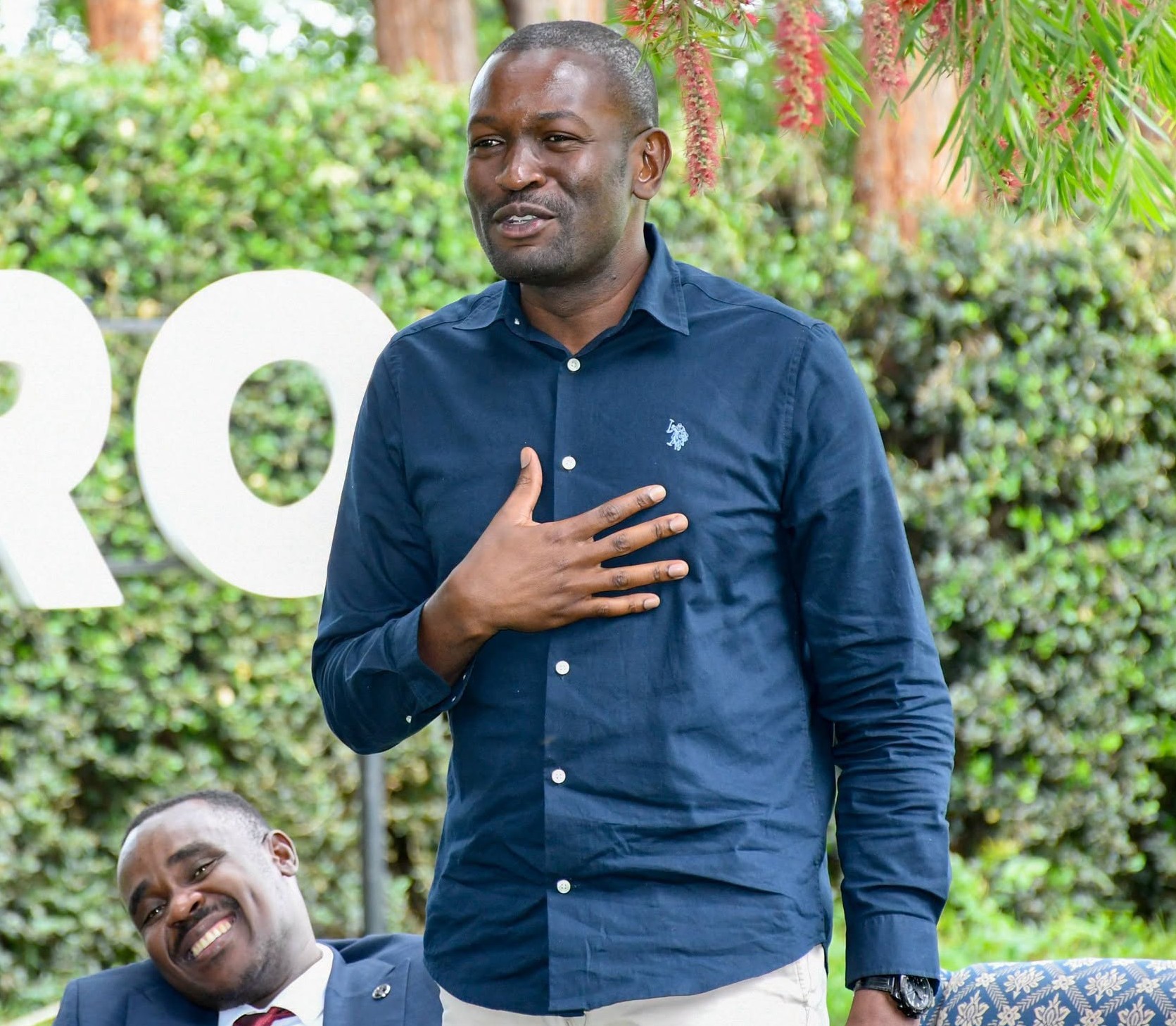
The launch of Edwin Sifuna’s Linda Mwananchi Movement headquarters in Nairobi brought together influential opposition figures, but sharp exchanges and competing ambitions exposed the difficult negotiations facing leaders seeking to challenge President William Ruto in 2027.
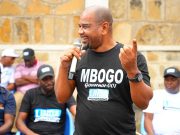
Sifuna hosted former Deputy President Rigathi Gachagua, Wiper Patriotic Front leader Kalonzo Musyoka, Democratic Action Party of Kenya leader Eugene Wamalwa and Trans Nzoia Governor George Natembeya. Their presence suggested a bid to grow beyond the movement’s original political circle, but did not amount to a coalition agreement or endorsement of Sifuna’s ambitions.
Plans for offices in all 47 counties and a November 13 National Delegates Convention signal an effort to build a national organisation.
The central question is whether a movement promising opposition unity can accommodate several leaders who still consider themselves presidential contenders.
Kalonzo’s warning
The tension was most visible when Kalonzo cautioned against declaring Sifuna the opposition’s presidential candidate before consultations and the formal party process were completed. He said his party had mandated him to pursue the presidency, but pledged to support Sifuna, Gachagua or another candidate if that person emerged through an agreed process.
Sections of the crowd responded with boos and chants backing Sifuna, prompting the senator to ask supporters to let Kalonzo speak. The exchange exposed the gap between leaders’ language of unity and supporters’ expectations, with some already appearing to have chosen their preferred candidate.
Sifuna’s intervention showed that he understands a coalition cannot be built by silencing leaders with competing views. Yet he must sustain enthusiasm around his own candidacy without alienating senior politicians whose support he needs.
Gachagua received a warmer reception. He challenged Sifuna to demonstrate his influence in Western Kenya, questioning why President Ruto’s aide Farouk Kibet could attack him without a strong response from his supporters. He also dismissed criticism of Sifuna’s age.
But Gachagua also wants the presidency. He said he would support Kalonzo if chosen, or take charge of Sifuna’s campaign if the senator secured the ticket. Natembeya had been named to lead the proposed campaign, leaving questions about how leadership and influence would be shared.
The statements expose how campaign roles and influence could become contentious once negotiations move beyond public declarations.
ODM thirsty
The heckling of Kalonzo quickly became ammunition for ODM leaders allied to Ruto. National Assembly Minority Leader Junet Mohamed criticised the incident, questioning the movement’s commitment to free speech, democracy and constitutionalism. ODM National Chairperson and Homa Bay Governor Gladys Wanga also condemned the treatment of Kalonzo and urged him and his supporters to consider joining their camp.
Wanga predicted that the opposition would struggle to agree on a presidential candidate and said ODM was prepared to support Ruto’s re-election. Mining Cabinet Secretary Hassan Joho also declared support for Ruto in 2027, suggesting the presidency could go to other communities in 2032. These individual positions do not prove unity is impossible, but show how internal disagreements can be used to weaken the rival camp.
The Coast dimension matters. Joho has publicly backed Ruto’s re-election, while Wiper has a presence in parts of the region. Coast leaders will want a meaningful role in shaping the coalition, not simply be mobilised as voters.
Beyond the contest
Leadership is only one part of Linda Mwananchi’s challenge. The movement must explain what it offers voters. At the launch, Sifuna proposed cutting KSh500 billion from the national budget and removing taxes and levies affecting fuel, electricity and the housing levy. He pledged to confront wasteful public expenditure and what he described as budgeted corruption.
The proposals put the cost of living, taxation and accountability at the centre of the movement’s message. But Sifuna must explain where the savings would come from, how tax cuts would affect revenue and how essential services would be funded. Claims about public spending also require verifiable figures.
The movement’s commitment to constitutionalism, human rights and equality must be reflected in internal decision-making, candidate selection and the handling of dissent. County offices alone will not guarantee grassroots support; that requires credible local leaders, community engagement and policies that address everyday concerns.
The November 13 convention will be an important test. It should clarify the movement’s direction, nomination procedures and relationship with other opposition formations. Attendance at a launch does not mean politicians are ready to surrender their party identities or ambitions.
Unity test
Sifuna has shown he can attract national attention and assemble influential figures. Gachagua has offered his network to a wider campaign, while Kalonzo insists that his ambitions and a credible selection process be respected. ODM leaders are already using the disagreements to question the opposition’s cohesion.
Political ambition is not itself an obstacle. The test is whether leaders can agree on a transparent selection process, respect its outcome and campaign behind a common programme.
Sifuna must turn enthusiasm into a credible organisation and convince established leaders that Linda Mwananchi is a partner in unity, not merely a vehicle for his presidential bid. Kalonzo and Gachagua must show their willingness to support another candidate can survive negotiations over power.
The opposition has found a platform around which to organise, but it has not settled who should lead it. Linda Mwananchi’s greatest test may be whether it can unite the leaders who hope to replace Ruto before it can persuade the country to do so.