









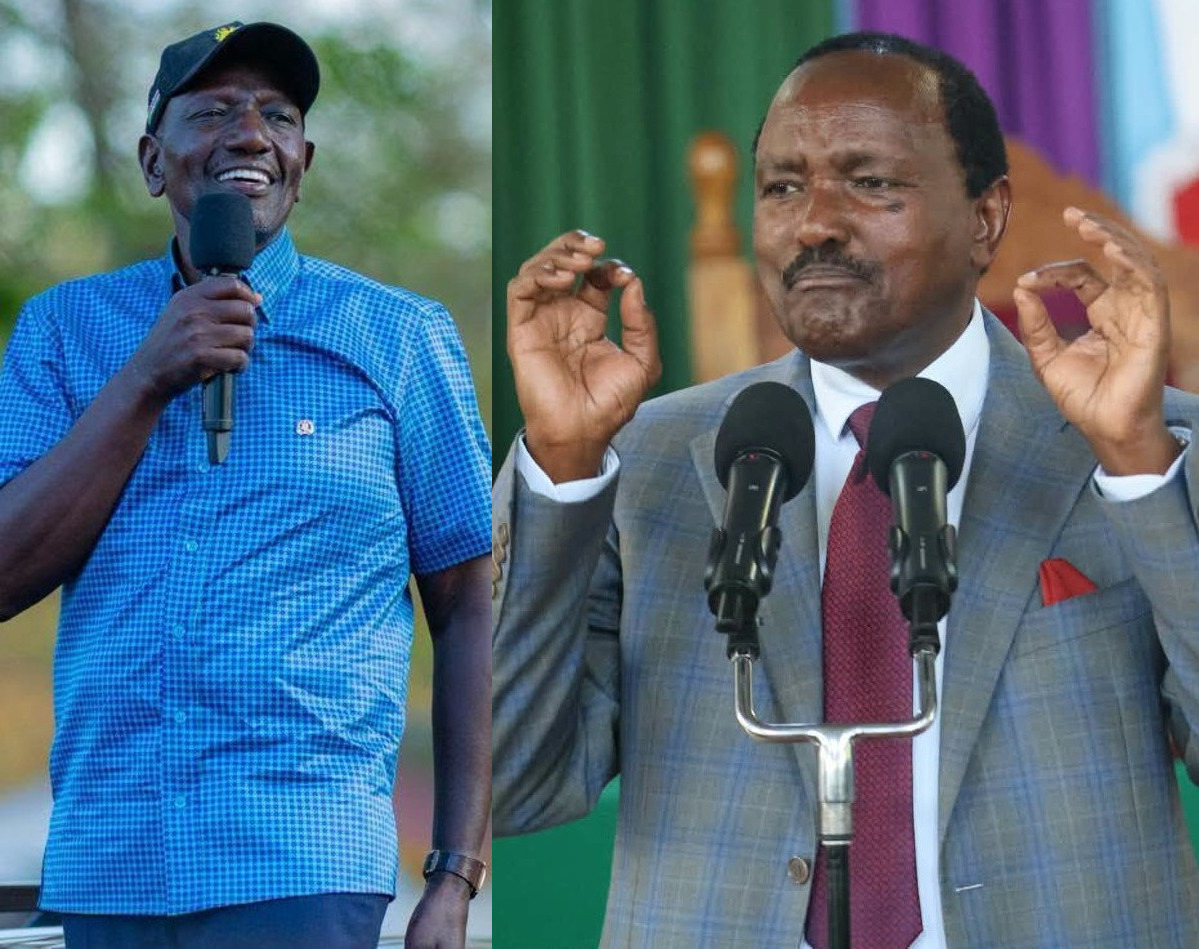
NAIROBI, Kenya—Wiper leader Stephen Kalonzo Musyoka has ruled out working with President William Ruto ahead of the 2027 General Election, while defending his engagement with former Deputy President Rigathi Gachagua and warning of alleged attempts to divide the opposition.
Kalonzo, who has positioned himself as a presidential contender in the next election, has maintained that his political focus is on building an opposition alliance capable of challenging Ruto rather than joining the Kenya Kwanza administration.
His position places the question of opposition unity at the centre of the emerging political contest, as leaders negotiate alliances, presidential ambitions and the possibility of agreeing on a common candidate to face the incumbent.
The Wiper Patriotic Front leader’s latest remarks also come amid renewed scrutiny of his relationship with Gachagua, following his visit to the former Deputy President’s Wamunyoro residence in Nyeri County.
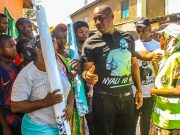
Speaking at ACK Church of Faith in Ithareini, Kirinyaga County, on Sunday, October 25, Kalonzo dismissed suggestions that the visit signalled divisions or a change of political direction within the opposition.
He explained that he and Gachagua had remained friends since the latter’s impeachment, adding that Gachagua had previously visited his home in Tseikuru, making his own visit a reciprocal engagement.
“My brother Rigathi has been to my Muuna home in Tseikuru. Now I have been to his in Wamunyoro. What is wrong with friends and cousins visiting one another?” Kalonzo said.
The Wiper leader maintained that personal relationships among opposition figures should not automatically be interpreted as evidence of political disagreements or secret arrangements.
He also alleged that some individuals were being paid to sow confusion and disunity within the opposition, although he did not identify those allegedly involved or provide evidence to substantiate the claim.
Kalonzo urged Kenyans to disregard what he described as attempts to undermine cooperation among opposition leaders, insisting that bringing the different political camps together remained one of his priorities.
“I have made it my personal mission to unite the opposition, and I will keep engaging all my colleagues. Liberating Kenya is bigger than any one person’s ambition,” he said.
Against Ruto
Kalonzo’s position reflects his sustained opposition to working with Ruto ahead of the 2027 elections.
In July, the Wiper leader publicly dismissed suggestions that he could join the President’s government, telling Ruto that they would meet at the ballot. He also rejected claims that he had held talks with the President about a possible political arrangement.
The remarks followed speculation about possible engagement between the two leaders at a time when political players were positioning themselves for the next election.
Kalonzo’s insistence that he intends to challenge Ruto comes as opposition parties seek to build a coalition that can accommodate competing presidential ambitions while avoiding a divided vote.
The challenge for the opposition is not simply to criticise the government but to agree on a political structure, leadership arrangement and campaign platform capable of bringing together parties with different regional bases and political interests.
The Wiper leader has continued to call for cooperation among opposition figures, even as questions about who should lead the alliance remain a potentially difficult issue.
His defence of the Wamunyoro visit therefore serves two purposes: explaining his personal relationship with Gachagua and reinforcing his argument that opposition leaders must continue engaging one another despite speculation about their political intentions.
Succession question
The debate is unfolding against a wider political conversation about succession and the alliances leaders may seek to build beyond the next election.
Political messages circulating in public debate have drawn comparisons between regional appeals for support in 2027 and promises to back different leaders in the 2032 presidential race.
Such arguments point to the competing calculations that can shape Kenyan politics, where leaders must balance their immediate electoral ambitions with relationships, regional support bases and longer-term succession plans.
However, the specific statements contained in the material circulating on this issue require independent verification before they can be attributed to individual leaders as confirmed quotations.
For Kalonzo and his allies, the immediate question remains whether opposition parties can negotiate their differences and agree on a common strategy before the 2027 contest.
A coalition can bring together leaders with different political strengths, but sustaining it requires agreement on leadership, the distribution of political responsibilities and the principles that will guide the alliance.
Kalonzo’s public defence of his relationship with Gachagua suggests he wants continued engagement among opposition figures to be seen as part of that process rather than as evidence of disunity.
Whether the different camps can translate those engagements into a common political arrangement remains a central question as the election approaches.
Transport
Beyond the opposition unity debate, Kalonzo renewed his commitment to transforming the Nairobi-Mombasa Highway into a dual carriageway, placing transport infrastructure and road safety among the issues he is highlighting ahead of the election.
He made the pledge while mourning those killed in a road accident along the highway and recalling another fatal crash involving pilgrims on the same route the previous month.
The latest accident, reported on Sunday, October 25, added to concerns over the loss of lives along one of the country’s principal transport corridors, which connects Nairobi to Mombasa and serves passenger, freight and tourism traffic.
Kalonzo’s proposal is significant for the Coast region, where the highway is an important link for the movement of people and goods between the port city and the rest of the country.
Dualling the highway would be a major infrastructure undertaking, requiring decisions on financing, implementation, land requirements and the management of traffic during construction.
The pledge also raises a broader political question about how presidential aspirants intend to turn campaign commitments into funded and deliverable projects.
Kalonzo has previously promised to prioritise the dualling of the highway within the first six months of his government if elected, placing the project among his stated development priorities.
For Coast residents, the proposal will be judged not only by the promise itself but also by the details of how it would be financed, implemented and linked to improvements in road safety.
During Sunday’s church service, Kalonzo also led congregants in a moment of silence for victims of the Eastleigh building collapse in Nairobi and offered prayers for those still trapped beneath the rubble.
His remarks brought together national concerns over public safety and infrastructure with the political campaign taking shape ahead of 2027.
As opposition leaders continue their engagements, Kalonzo is seeking to maintain a clear distinction between his political position and that of the incumbent while keeping channels of cooperation open among potential allies.
His challenge will be to turn calls for unity into a workable political arrangement while convincing voters that the opposition can offer a credible alternative on governance, infrastructure and other national priorities.