




















Kenya is pushing for ocean-based solutions to be placed firmly at the centre of global climate action, arguing that protecting the marine environment is increasingly critical to food security, employment and the livelihoods of millions of people who depend on the ocean.
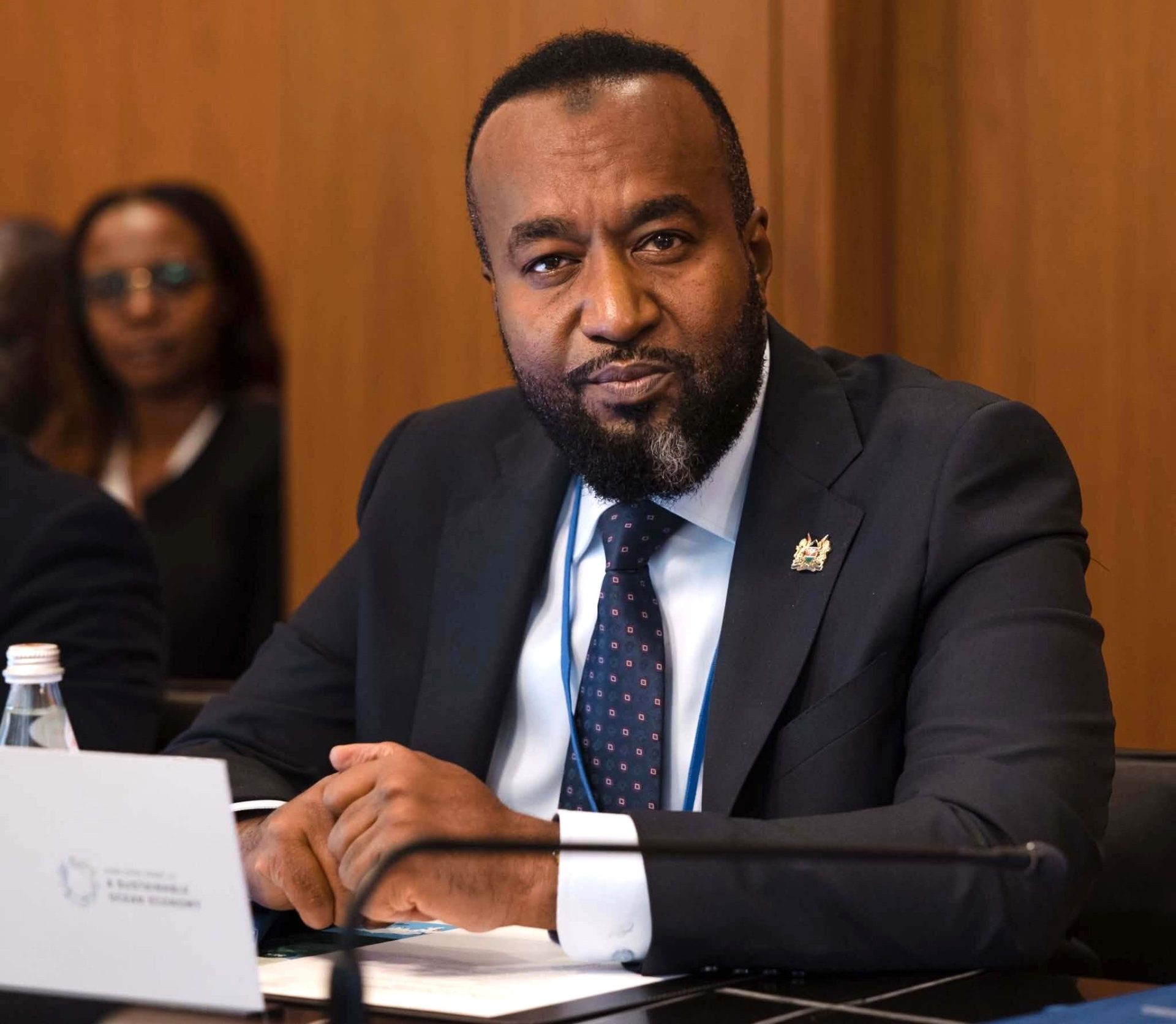
The call was made during a high-level panel on the Sustainable Ocean Economy, where Mining, Blue Economy and Maritime Affairs Cabinet Secretary Hassan Ali Joho joined global leaders in calling for stronger international action ahead of the COP31 climate conference.
Kenya, a member of the High-Level Panel for a Sustainable Ocean Economy, used the meeting to emphasise a simple but increasingly important message: ocean action is climate action.
For Kenya, the issue carries particular significance along the Coast, where fishing, marine tourism, aquaculture, maritime transport and other ocean-related activities support households and businesses.
The health of marine ecosystems directly affects these livelihoods. Declining fish stocks, degradation of coral reefs, loss of mangroves, pollution and the effects of a changing climate can reduce the resources available to coastal communities while increasing their vulnerability to extreme weather and rising sea levels.
Joho said sustainable ocean-based solutions could help strengthen food security, create decent jobs and build climate resilience, particularly among communities whose livelihoods depend on marine resources.
Kenya therefore called for greater political commitment to sustainable fisheries, healthy marine ecosystems and clean and sustainable ocean industries as key pillars of an inclusive blue economy.
The approach places the ocean not simply as an environmental resource to be protected, but also as an economic asset capable of supporting livelihoods and driving sustainable development when managed responsibly.
The livelihood connection
For many coastal households, the blue economy is not an abstract policy concept.
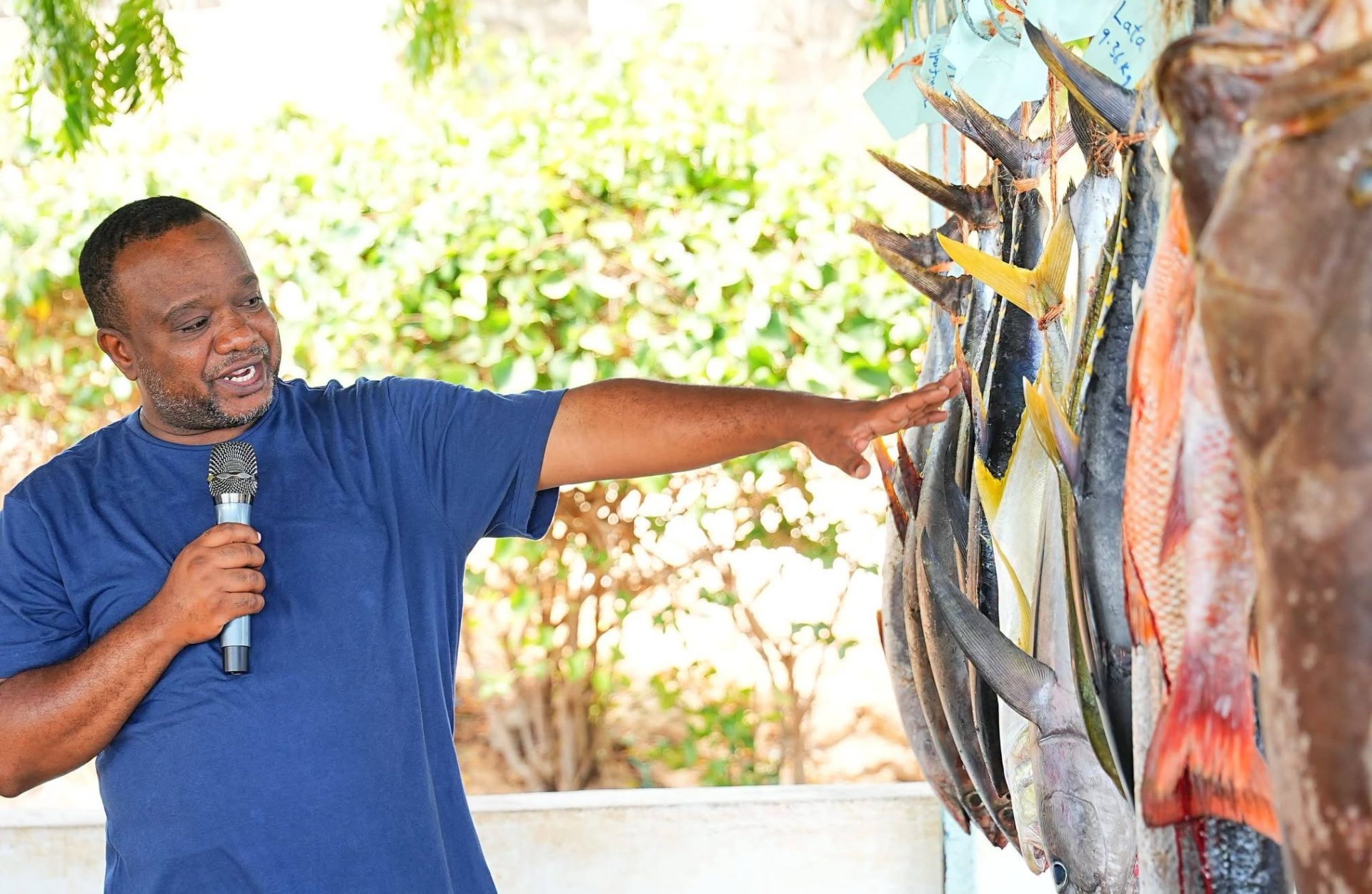
[A fisherman in lamu displays his catch. The blue economy has been hugely linked to fishing activities and Climate change mitigation measures. Photo/courtesy/Sept’ 27, 2026].
A fisherman’s income depends on the availability of healthy fish stocks. Fish traders and processors depend on regular catches. Boat operators, beach businesses, restaurants and tourism enterprises benefit from a functioning marine economy. Aquaculture provides another source of food and income, while the wider maritime sector supports employment and trade.
This means that environmental degradation can quickly become an economic problem.
When marine ecosystems are damaged, communities that depend on them can face declining incomes, food insecurity and fewer employment opportunities. Sustainable management, on the other hand, can help maintain the natural resources on which these economic activities depend.
Ocean protection and climate resilience
The climate dimension is equally significant.
Mangrove forests, seagrass meadows and other coastal ecosystems play important roles in storing carbon and protecting shorelines. Healthy coastal ecosystems can also provide natural protection against some impacts of storms, erosion and rising seas.
For communities living along Kenya’s coastline, protecting these ecosystems therefore has implications beyond conservation.
It can help protect homes and livelihoods while supporting fisheries and other economic activities.
Kenya’s message at the international level is consequently tied to a domestic development challenge: how to expand economic opportunities from the ocean without undermining the ecosystems that make those opportunities possible.
From resources to sustainable wealth
The push for a sustainable blue economy comes as countries increasingly look towards oceans for food, employment, renewable energy, tourism and other economic opportunities.
But unlocking that potential requires balancing economic activity with conservation.
Sustainable fisheries can protect fish stocks for future generations. Responsible aquaculture can supplement wild catches and strengthen food security. Cleaner maritime industries can reduce environmental pressure, while protecting mangroves, coral reefs and seagrass can strengthen both biodiversity and climate resilience.
Kenya joined other members of the High-Level Panel for a Sustainable Ocean Economy in calling for ocean action to be integrated into climate action at COP31.
The panel was co-chaired by Norwegian Prime Minister Jonas Gahr Støre and Palau President Surangel S. Whipps Jr., and brought together leaders and representatives from member states, including Ghanaian President John Dramani Mahama and Namibian President Netumbo Nandi-Ndaitwah.
The discussions place Kenya within a wider international effort to move ocean protection higher up the climate agenda.
For the Coast, however, the issue is ultimately local.
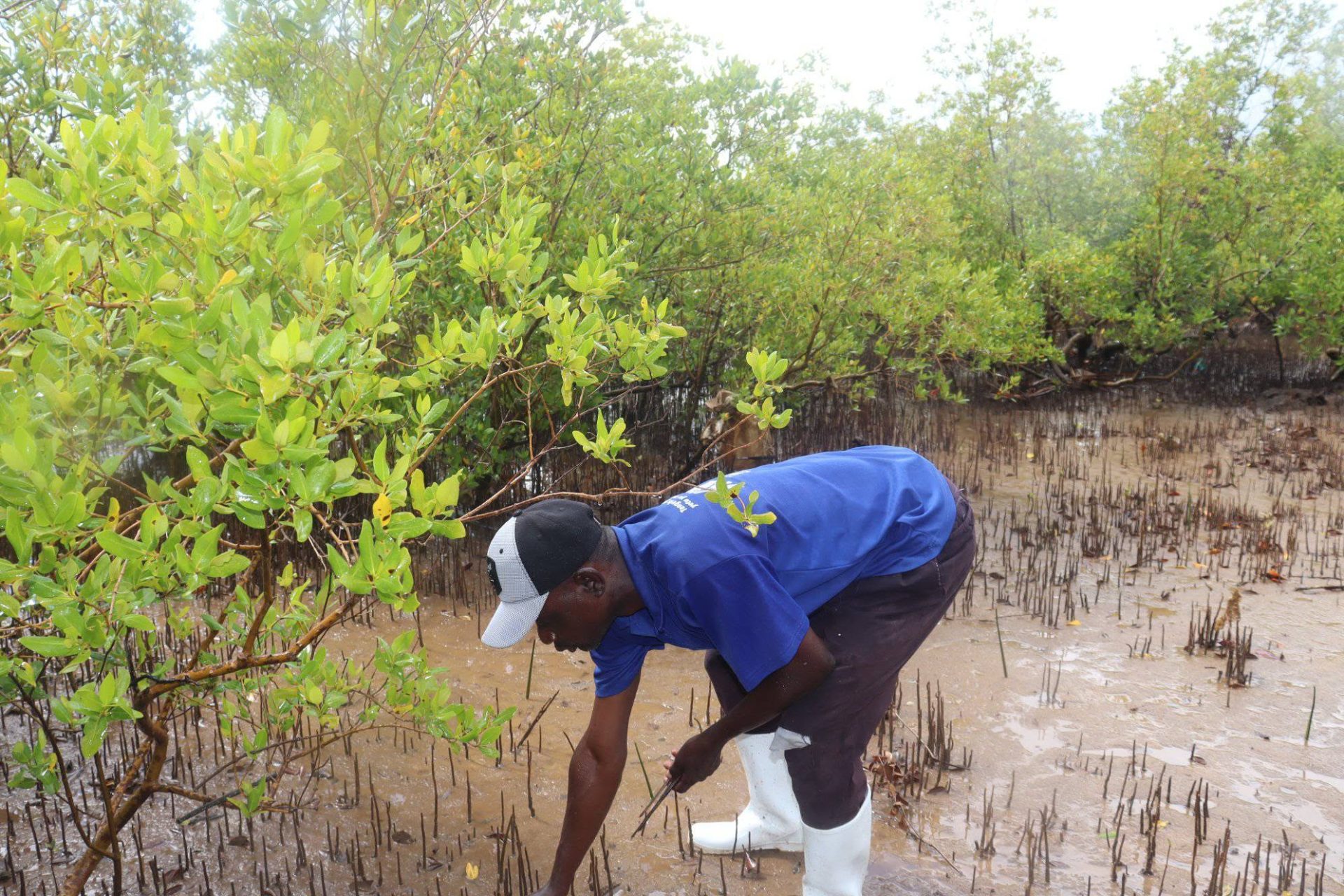
[Community Action: A community member is participating in planting mangroves at the Vanga beach in Kwale County. Photo/Mchongo CBO/Sept’ 27, 2026].
The success of a sustainable blue economy will be measured not only by international commitments, but by whether coastal communities can earn reliable incomes, access food, find decent jobs and withstand the growing effects of climate change while the ocean resources on which they depend remain healthy.
That makes the blue economy both an environmental priority and a livelihood question — and one that will increasingly shape Kenya’s development conversation along the Coast.