
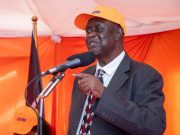
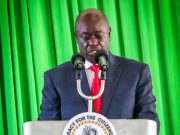








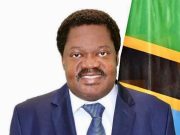
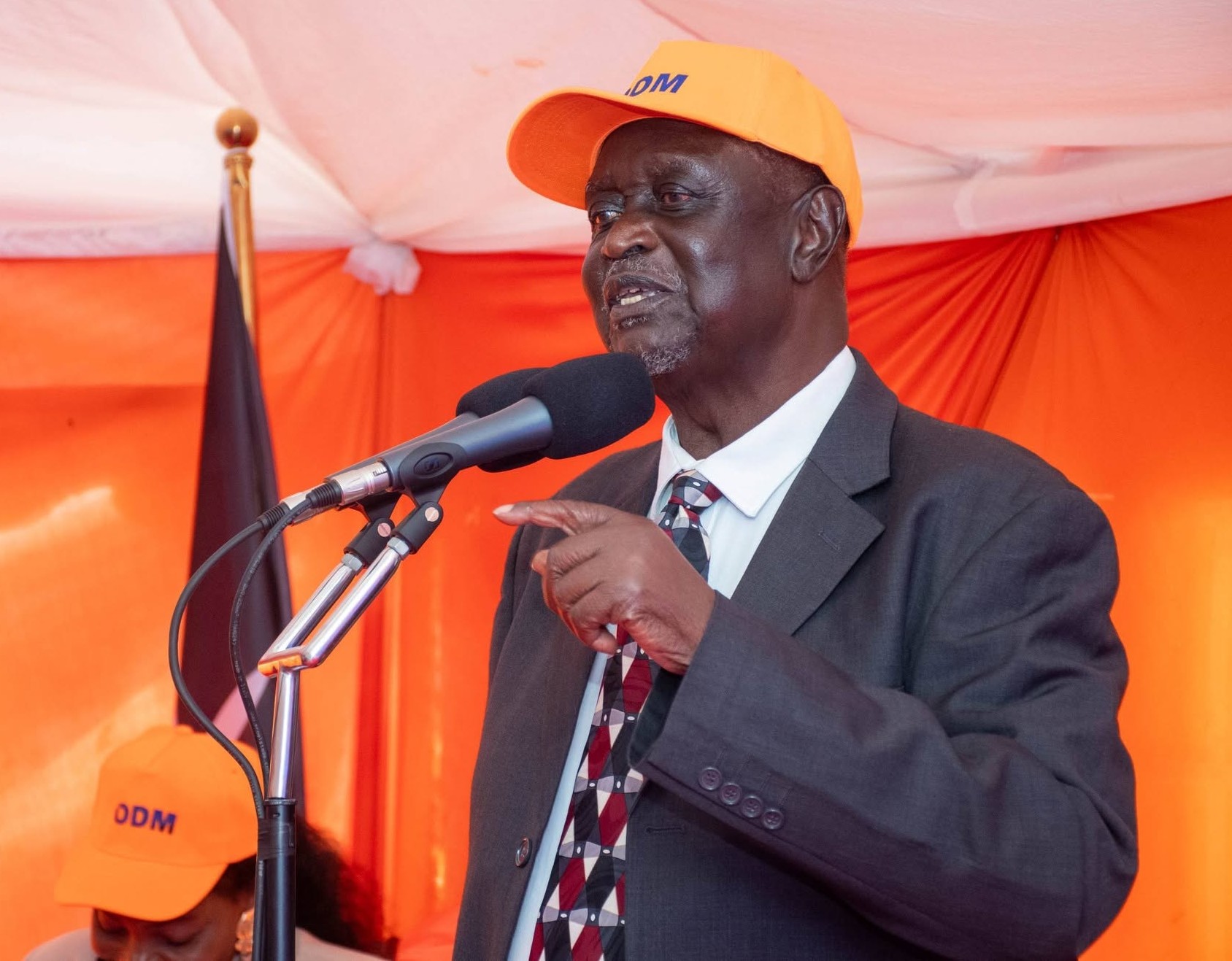
NAIROBI, Kenya—ODM Party Leader Oburu Oginga has called for a new national struggle focused on economic liberation, arguing that Kenya’s constitutional and political gains will remain incomplete unless they translate into better living conditions and greater economic dignity for ordinary citizens.
Speaking in a message marking Katiba Day, Oburu said the country had made significant progress since the promulgation of the 2010 Constitution but continued to face deep economic challenges, including youth unemployment, poverty, unaffordable healthcare and gaps in access to education.
He described the next phase of the country’s struggle as the “Third Struggle”, which he said should focus on transforming constitutional rights and political freedoms into tangible economic opportunities for Kenyans.
“A beautiful constitution on paper cannot feed a hungry child,” Oburu said, arguing that political democracy without economic dignity remains incomplete.
The ODM leader said the Constitution was the product of decades of struggle for democracy, human rights, accountable governance and popular participation, with ordinary Kenyans paying a heavy price in the push for political reforms.
He paid tribute to citizens, students, workers, religious leaders and civil society actors who, he said, endured detention, exile, torture and even death in the struggle that eventually produced the 2010 constitutional order.
Oburu also honoured the late ODM leader Raila Amolo Odinga, whom he described as a central figure in Kenya’s democratic struggle.
“His life was the very definition of Kenya’s democratic struggle,” Oburu said, recalling Raila’s role in the campaign for multiparty democracy, human rights, devolution and popular sovereignty.
But while acknowledging the sacrifices that led to political reforms, Oburu argued that Kenya must now confront a different set of challenges affecting the economic wellbeing of its citizens.
He said the continued inability of many young people to secure jobs, the high cost of accessing healthcare, inadequate educational opportunities and persistent poverty were evidence that constitutional promises had yet to be fully realised in the daily lives of millions of Kenyans.
According to Oburu, the Third Struggle should therefore seek to close the gap between constitutional ideals and the economic realities facing citizens.
“This Third Struggle is the final piece of the puzzle. It is the bridge that will make our decades of sacrifice complete,” he said.
The call places economic empowerment at the centre of the political debate surrounding Kenya’s constitutional future, shifting attention from the formal rights guaranteed by the Constitution to whether citizens can meaningfully enjoy those rights in their everyday lives.
The ODM leader also called on younger Kenyans to take up the responsibility of advancing the country’s democratic and economic agenda while working alongside the generation that fought for political reforms.
He urged the youth to combine their energy with the experience of those who participated in the struggles that culminated in the 2010 Constitution.
Kenya is marking 16 years since the Constitution was promulgated on August 27, 2010, following its approval in a national referendum held on August 4 that year.
The Constitution introduced major changes to Kenya’s governance system, including a devolved structure of government, stronger protections for human rights and an expanded framework for citizen participation and accountability.
Sixteen years later, Oburu’s message frames the next constitutional challenge not simply as protecting the gains of 2010, but ensuring that those gains produce measurable economic benefits for Kenyans.