





















The sharp crack of axes that once echoed through the mangrove forests of Kenya’s southern coastline has begun to fade.
In its place comes the gentle hum of bees.
Among the winding creeks of Msambweni in Kwale County, dozens of wooden beehives now hang quietly from mangrove trees that only a few years ago would have been destined for charcoal kilns, firewood or construction timber. The same forest that communities once viewed as a source of trees to cut has become the foundation of a new economy—one built on conservation rather than destruction.
Several kilometres away in the fishing village of Vanga, another kind of transformation is unfolding.
As fishermen prepare their boats before dawn and schoolchildren gather for classes, a group of young people step into open community spaces armed not with placards or megaphones, but with songs, poetry, drama and traditional dances. Their performances tell stories about endangered marine life, destructive fishing practices and the urgent need to protect the Indian Ocean that has sustained generations of coastal families.
Different communities.
Different approaches.
One shared mission.
Across Kwale County, a quiet environmental revolution is taking shape as local communities move from being viewed as contributors to environmental degradation to becoming some of the coast’s strongest defenders against climate change, biodiversity loss and the destruction of fragile marine ecosystems.
It is a transformation that is changing livelihoods, empowering women and young people, and proving that conservation can become an engine of economic opportunity rather than a barrier to survival.
Yet behind these success stories lies another equally important lesson.
Protecting nature is no longer enough.
Communities are increasingly learning that lasting conservation also requires something many grassroots organisations have historically lacked—a voice in the decisions that shape their forests, fisheries and natural resources.
That growing recognition recently brought together more than a dozen community organisations from Msambweni and Lungalunga sub-counties during an advocacy and environmental governance forum organised by Community Action for Nature Conservation (CANCO).
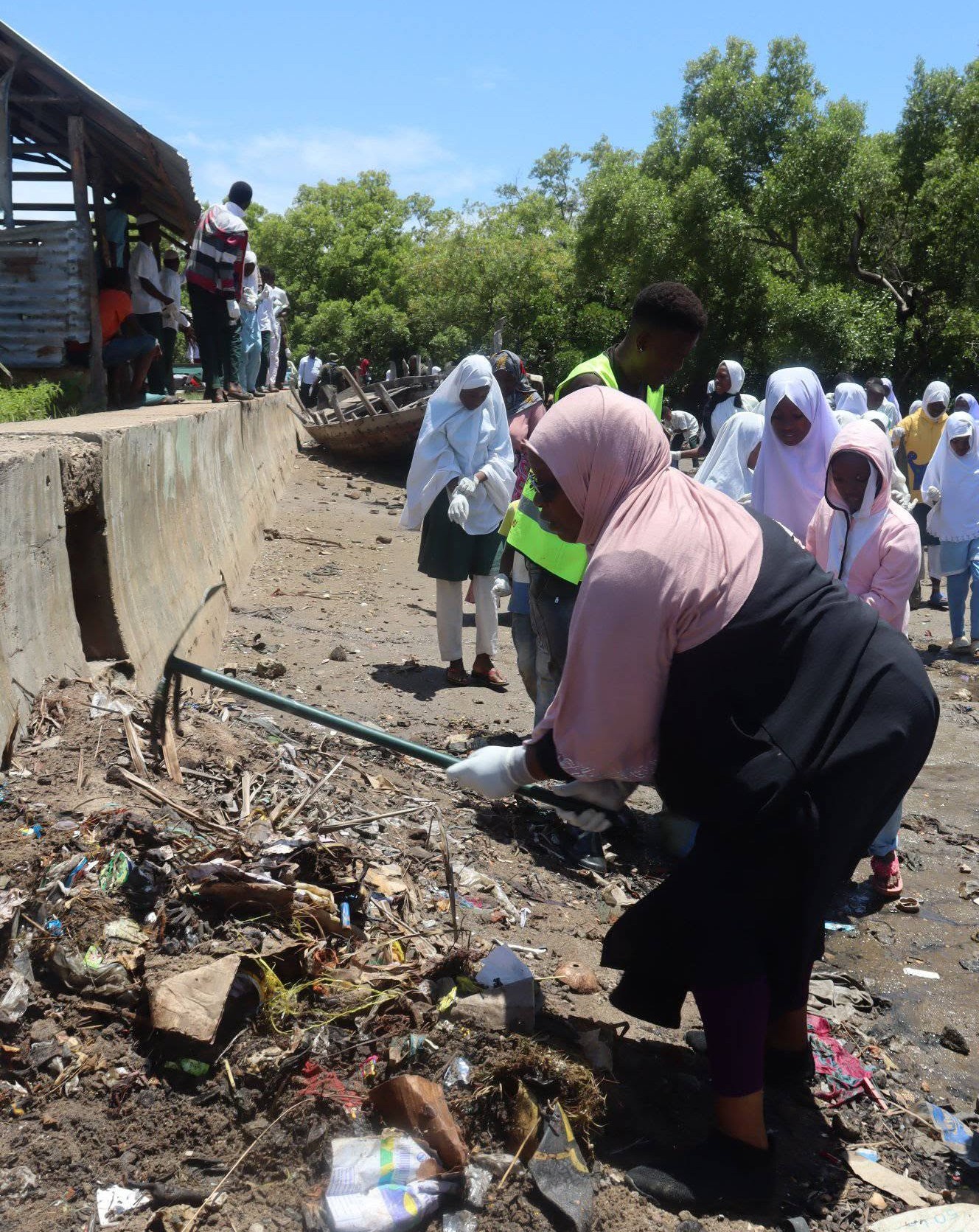
[Youth Group, Mchongo-Vanga CBO Members engaging learners in cleaning the beaches along Vanga in Lungalunga, Kwale County. Mchongo-Vanga CBO is using arts and culture to educate communities on safeguarding the Indian Ocean. Photo/courtesy/July 24, 2026].
Rather than focusing solely on tree planting or marine conservation, the forum challenged communities to become advocates for the ecosystems they have spent years protecting.
For many participants, it marked a shift from simply implementing conservation projects to influencing the policies, leadership and decisions that determine whether those efforts will succeed for generations to come.
From Cutting Mangroves to Protecting Them
Few stories capture that transformation better than that of Tunusuru Conservation Group, a women-led organisation based in Msambweni.
Years ago, the group’s members depended almost entirely on harvesting mangrove trees for survival.
The forests provided timber, firewood and charcoal—the only reliable source of income for many households struggling to make ends meet.
But every tree cut brought another section of the fragile coastal ecosystem closer to collapse.
Without intending to, the women found themselves trapped in a cycle where earning a living meant destroying the very environment that sustained them.
Today, that story has been completely rewritten.
Instead of cutting mangroves, the women carefully protect them.
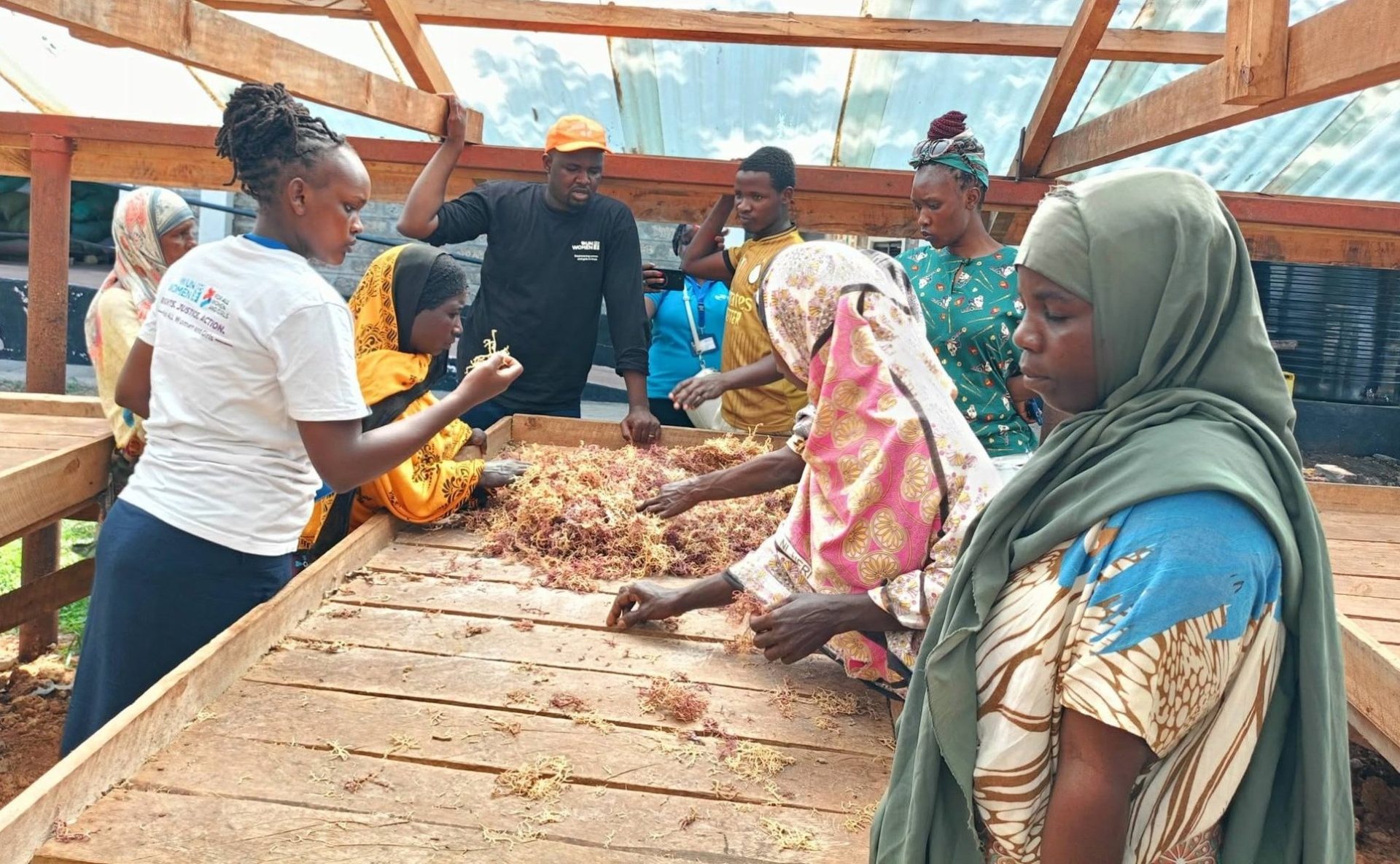
Beehives now hang among the trees, allowing members to harvest honey while preserving the forest that supports both the bees and the wider coastal ecosystem.
The group has also diversified its income through the sale of tree seedlings while generating additional revenue by hiring out a community social hall they constructed through proceeds from their conservation activities.
According to the group’s chairperson, Mariam Khamis, conservation has done far more than restore the environment.
It has restored dignity.
“Before, many families depended on exploiting the mangrove forest just to survive,” she says.
“Today we earn a living by protecting it. We harvest honey, sell tree seedlings and have even built a social hall that generates income for our members. Conservation has shown us that nature can provide without being destroyed.”
Beyond improving household incomes, the women have become ambassadors for environmental protection, encouraging neighbouring communities to embrace sustainable livelihoods while safeguarding the mangrove forests that shield the coastline from erosion, provide breeding grounds for fish and store significant amounts of carbon.
Their story reflects a growing reality emerging across Kenya’s coast.
Communities are discovering that protecting nature and improving livelihoods are not opposing goals.
They are increasingly becoming one and the same.
When Culture Becomes Conservation
For many communities along Kenya’s coastline, protecting the environment has traditionally been associated with government regulations, patrols and enforcement.
But in Vanga, a small fishing town near Kenya’s border with Tanzania, conservation has found a different voice.
It sings.
It dances.
It tells stories.
Long before environmental campaigns became commonplace, coastal communities relied on oral traditions, music and theatre to pass knowledge from one generation to the next. Today, a new generation of young environmental champions is reviving those traditions—not to preserve folklore alone, but to protect one of the country’s most valuable natural assets: the Indian Ocean.
Members of Mchongo-Vanga Community Based Organisation (CBO) have transformed art into an environmental classroom.
Their stage is wherever people gather.
Sometimes it is outside a primary school.
Sometimes beneath a tree where fishermen repair their nets.
Other times it is at community meetings where women, elders and local leaders come together to discuss issues affecting their villages.
Instead of lengthy speeches, the young performers use drama, poetry, songs, traditional dances and short comic skits to spark conversations about marine conservation, sustainable fishing and climate change.
The performances are entertaining.
But their message is serious.
According to Mwanamkasi Mohammed, one of the group’s members, art has become one of the most effective ways of reaching communities that depend almost entirely on the ocean for their survival.
“People remember stories more than lectures,” she explains.
“When we perform, fishermen begin discussing destructive fishing methods. School children start asking questions about marine life. Women begin talking about protecting the ocean because they understand their families also depend on healthy marine ecosystems.”
The group has worked with schools, fishing communities, women, youth groups and local authorities, encouraging collective responsibility in protecting marine biodiversity.
Their campaigns discourage destructive fishing practices that damage coral reefs, destroy fish breeding grounds and threaten livelihoods that thousands of coastal families depend upon.
Over time, Mwanamkasi says, those conversations have begun changing attitudes.
Communities that once viewed conservation as someone else’s responsibility are increasingly recognising that protecting the Indian Ocean begins with their own daily choices.
It is a lesson that extends far beyond Vanga.
Across Kenya’s coastline, the fight against climate change is no longer being waged only in government boardrooms or international conferences.
It is unfolding in classrooms.
On village stages.
In community halls.
And along beaches where young people are proving that culture can be as powerful as legislation in protecting nature.
Finding Their Voice
While projects like Tunusuru Conservation Group and Mchongo-Vanga CBO demonstrate that communities possess the knowledge and commitment needed to protect their environment, many grassroots organisations continue to face a common challenge.
They understand conservation.
They live with its consequences every day.
Yet too often, they remain absent from the conversations where decisions about forests, fisheries and coastal resources are made.
For years, many community groups focused almost exclusively on implementing conservation projects—planting trees, restoring mangroves, protecting turtles, promoting beekeeping or educating their neighbours.
Important work.
Necessary work.
But rarely were they equipped to influence the policies, budgets and development decisions that shape the future of those same ecosystems.
It is this gap that Community Action for Nature Conservation (CANCO) is working to bridge.
Bringing together more than a dozen grassroots organisations from Msambweni and Lungalunga sub-counties, the organisation recently convened an advocacy and environmental governance forum designed to strengthen the voices of those working on the frontline of conservation.
The objective extended well beyond teaching advocacy techniques.
It was about helping communities recognise that lasting environmental protection requires more than restoring degraded ecosystems.
It also requires participating in the decisions that determine how those ecosystems are managed.
Leading the discussions, Hadley Becha, CANCO Executive Director, challenged participants to see themselves not simply as beneficiaries of conservation programmes, but as leaders capable of shaping environmental policy from the grassroots.
“Communities are not just custodians of natural resources—they are rights holders and partners in conservation,” Becha told participants.
“When local people understand advocacy, they are better equipped to engage government institutions, influence policy and ensure development takes place without compromising the ecosystems that sustain their livelihoods.”
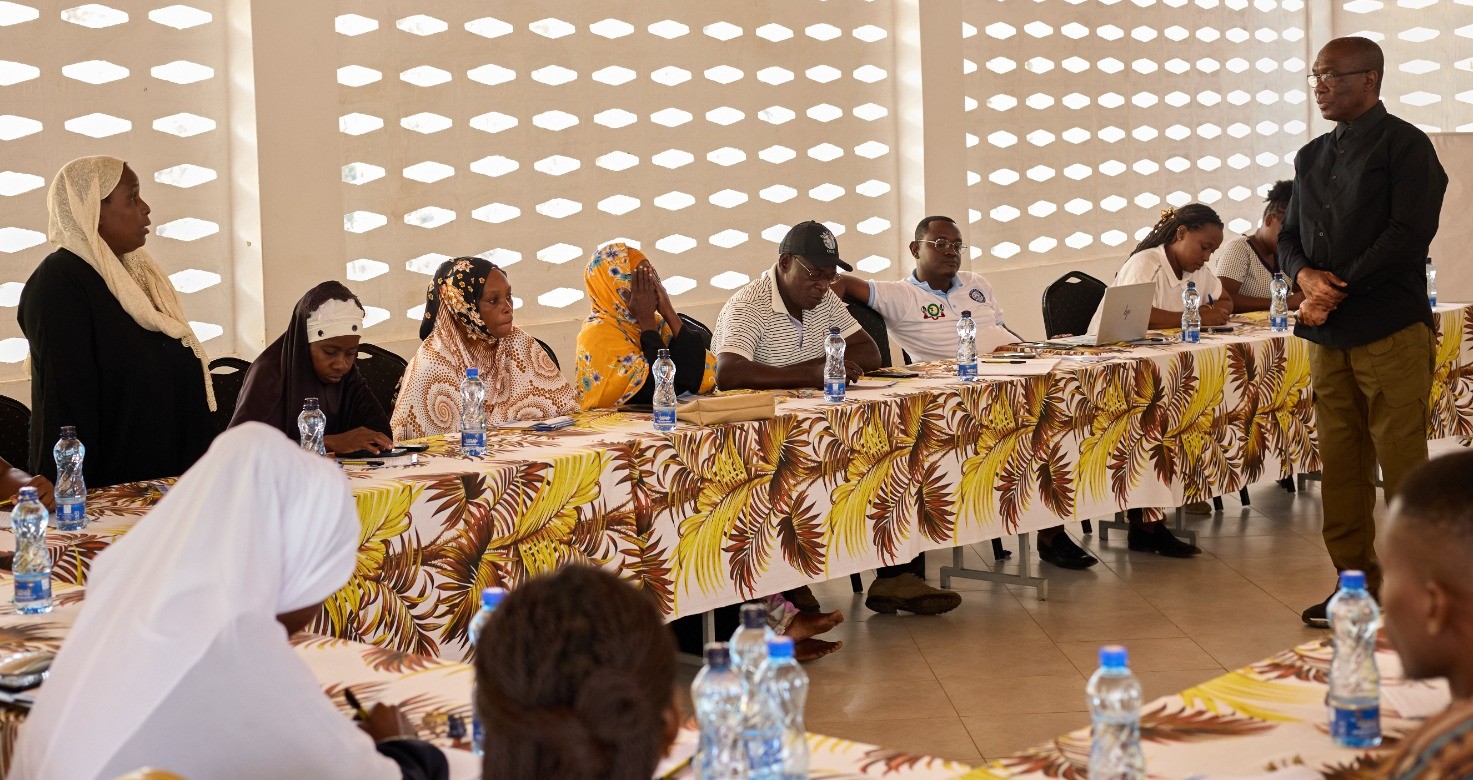
[Community Action for Nature Conservation (CANCO) Executive Director and Environmental expert Hadley Becha. CANCO has been steering conservation conversations along communities living along the coastline. Photo/James Lamiri/July 24, 2026].
For organisations like Tunusuru and Mchongo-Vanga, advocacy is no longer an abstract concept discussed in workshops.
It has become another conservation tool.
Just as important as planting mangroves.
Just as important as protecting sea turtles.
Just as important as educating the next generation.
Because when communities have a voice, conservation becomes more than an environmental project.
It becomes a shared responsibility.