






















“Was it a missed objective or a dismissed objective?”
As Kenya marks the second anniversary of the historic June 25, 2024 demonstrations, the country finds itself once again standing at a familiar crossroads—caught between remembrance and resistance, dialogue and confrontation, hope and uncertainty.
For many young Kenyans, June 25 is no longer just a date on the calendar. It has become a symbol of courage, sacrifice, and citizen action. For others, it remains a painful reminder of lives lost, families broken, and questions that have never been fully answered.
Yet as the nation approaches another day of planned demonstrations, a difficult question lingers in the national conscience: Was the Gen-Z movement a missed objective, or was it a dismissed objective?
The Day That Changed Kenyan Politics
When thousands of young Kenyans took to the streets in June 2024 to oppose the Finance Bill, few anticipated the scale of what would follow.
What began as opposition to new taxes quickly evolved into a broader movement against economic hardship, government spending, corruption, and perceived exclusion from decision-making.
Unlike previous political protests largely driven by political parties, the Gen-Z demonstrations emerged organically through social media platforms. They were leaderless, decentralised, and largely organised by young citizens who felt disconnected from traditional political structures.
The climax came on June 25, 2024.
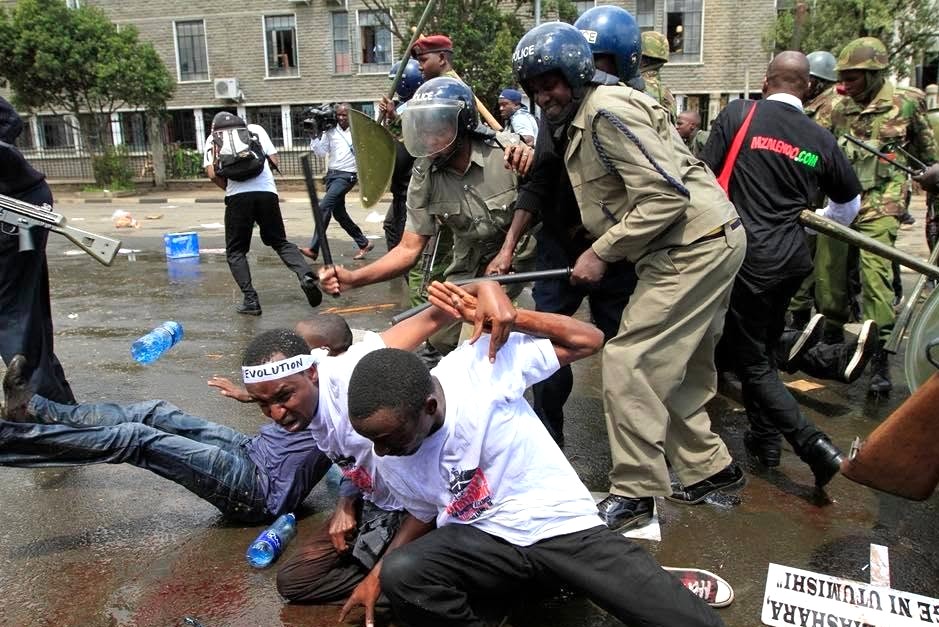
In scenes that stunned both Kenya and the international community, protesters breached Parliament buildings as lawmakers debated the controversial Finance Bill. Security forces responded with force, leading to deaths, injuries, arrests, and allegations of abductions and disappearances.
The images travelled around the world.
For many observers, it was the most significant display of citizen anger since the promulgation of the 2010 Constitution.
A Victory That Changed Everything
Within days, President William Ruto made a dramatic political retreat.
The Finance Bill was withdrawn and would not receive presidential assent.
To supporters of the movement, this represented a major victory. A generation often accused of political apathy had successfully compelled the government to reverse a policy decision.
The withdrawal demonstrated that citizen pressure could influence state decisions.
But victory also brought new challenges.
The movement had achieved its immediate objective—the rejection of the Finance Bill—but what came next remained unclear.
Some protesters wanted broader governance reforms. Others demanded accountability for those killed during demonstrations. Still others called for institutional changes, anti-corruption measures, and economic reforms.
The movement that had united around one clear goal now faced the challenge of defining a longer-term agenda.
The Dialogue Moment
In the months that followed, President Ruto appeared to acknowledge the significance of the Gen-Z uprising.
He publicly recognised the concerns raised by young people and initiated efforts aimed at dialogue and engagement.
Government officials repeatedly emphasized the need for conversations rather than confrontation.
For a brief period, there was hope that Kenya was entering a new era where citizen participation, especially among young people, would be taken more seriously.
However, many activists and families of victims argued that key concerns remained unresolved.
Questions surrounding deaths during protests, reports of missing persons, police accountability, governance reforms, and economic frustrations continued to dominate public discourse. To many young Kenyans, the conversation had begun but had not been completed.
One Year Later, The Questions Remain
As the anniversary arrives, the political atmosphere is once again tense.
Recent weeks have seen renewed online mobilisation, memorial campaigns, and calls for peaceful demonstrations to honour those who died during the 2024 protests.
Yet the country’s leadership has sent mixed signals.
President William Ruto recently warned against any attempts to cause disorder, stressing that law and order would be maintained and cautioning those planning demonstrations against actions that could destabilise the country.
His remarks have been interpreted differently across the political divide.
Supporters view them as necessary warnings aimed at preserving public order. Critics view them as unnecessarily confrontational at a moment when tensions are already high.
Meanwhile, Interior Cabinet Secretary Kipchumba Murkomen has offered assurances that peaceful protesters will be protected and escorted by security agencies, while simultaneously warning that individuals engaging in violence, looting, or criminal activity will face firm action under the law.
The government’s position therefore appears to be that peaceful assembly remains protected, but any descent into lawlessness will not be tolerated.
The Church Steps In
Perhaps one of the most significant developments ahead of the anniversary has been the intervention of religious leaders.
The Kenya Conference of Catholic Bishops (KCCB) has supported peaceful commemorations and emphasized the importance of listening to the concerns being raised by young Kenyans.
Church leaders have warned against excessive force and argued that a society should not intimidate its youth for expressing legitimate concerns about governance and justice.
Their message reflects a growing concern among sections of civil society that unresolved grievances should be addressed through dialogue rather than confrontation.
A Country Divided Between Fear and Resolve
Away from politics, ordinary Kenyans are making personal decisions about how to navigate the day.
Public transport operators, including many matatu operators, have indicated intentions to continue operations as usual.
Businesses in several towns are assessing the situation hour by hour.
Some citizens say they will participate in memorial activities.
Others plan to stay away from city centres altogether.
For many families, there is some relief that schools are currently on half-term break, reducing concerns about children being caught in possible unrest.
Yet the anxiety remains evident.
Social media discussions reveal a nation deeply divided.
Some believe the demonstrations are necessary to keep pressure on leaders and sustain demands for accountability.
Others question whether protests continue to offer a clear path towards tangible reforms.
The debate itself reflects the complexity of the Gen-Z movement.
Missed Objective or Dismissed Objective?
The answer may depend on whom one asks.
If the objective was to stop the 2024 Finance Bill, then the movement succeeded spectacularly.
If the objective was to transform governance, eliminate corruption, secure justice for victims, and permanently reshape the relationship between citizens and the state, then many would argue the mission remains unfinished.
Perhaps the greatest achievement of the movement was not legislative.
Perhaps it was psychological.
It changed how young Kenyans see themselves.
It demonstrated that political participation is not reserved for politicians.
It proved that digital activism can translate into real-world action.
It forced government institutions to acknowledge a generation that had long felt ignored.
At the same time, it exposed the limits of spontaneous movements without clear structures, leadership, or long-term strategy.
Tomorrow’s Test
As Kenyans wake up on June 25, 2026, the anniversary will be about more than protests.
It will be a test of the country’s democratic maturity.
Can citizens exercise their constitutional rights peacefully?
Can security agencies guarantee safety while respecting those rights?
Can leaders listen without feeling threatened?
Can the nation honour the memories of those lost while avoiding fresh tragedy?
The answers may determine whether June 25 becomes a day of national reflection or another chapter in Kenya’s growing political tensions.
Two years after the streets erupted, one truth remains undeniable:
The Gen-Z question was never only about a Finance Bill.
It was—and continues to be—a conversation about the kind of Kenya young people believe they deserve.