
















What exactly happened behind closed doors at State House in Mombasa during Friday’s high-level meeting between President William Ruto and transport stakeholders?
That is the question many Kenyans are now asking after matatu and logistics sector leaders abruptly called off a planned nationwide strike despite none of their major demands appearing to have been immediately met.
Just days earlier, matatu operators and other logistics players had taken a hardline stance, vowing to paralyse transport operations across the country until fuel prices were reduced. Their tough position had won public support, with many Kenyans seeing the planned strike as a rare moment where a powerful sector was finally standing with ordinary wananchi against the rising cost of living.
At one point, transport leaders openly dismissed government assurances and maintained that the strike was still on. But the mood quickly changed.
By Tuesday, the same operators were seen engaging government officials and announcing a seven-day suspension of the strike, raising eyebrows among Kenyans who were already questioning what may have transpired behind the scenes.
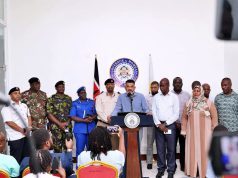
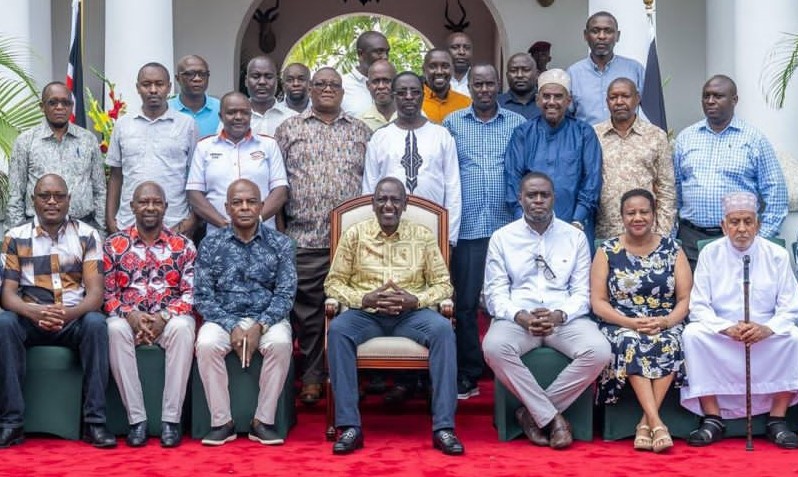
Then came Friday’s State House meeting in Mombasa.
After holding talks with President Ruto, transport stakeholders emerged from the meeting and officially called off the strike that had been expected to resume the following Tuesday.
The announcement stunned many Kenyans.
Even more surprising was the tone adopted by some sector leaders during the post-meeting briefing. Matatu Owners Association President Albert Karakacha apologised to the President for destabilising the economy, a statement that immediately triggered backlash online.
For many wananchi, the apology appeared completely disconnected from the suffering that had initially pushed operators to threaten industrial action.
Questions now continue to dominate public discourse:
What exactly were the transport stakeholders demanding?
Were those demands formally presented to the President?
Were any of them actually addressed before the strike was called off?
Or were Kenyans simply used as bargaining chips in negotiations they may never fully understand?
Across social media platforms, frustrated Kenyans accused transport leaders of abandoning the public too quickly and prioritising personal or sectoral interests over the economic struggles facing millions of citizens.
The anger reflects a deeper frustration that goes beyond matatus alone.
Fuel prices remain painfully high, and the effects continue to be felt across every corner of the economy. From transport fares and food prices to small businesses and household budgets, ordinary Kenyans continue to absorb the pressure daily.
Yet after Friday’s meeting, the momentum for direct action appears to have faded.
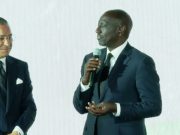
During the briefing, President Ruto announced that the government would reduce diesel prices by Ksh10 per litre in the upcoming June–July pricing cycle. While the announcement was welcomed in some quarters, many Kenyans remain skeptical, arguing that future promises do little to ease present hardship.
To critics, Friday’s developments exposed how quickly public pressure can dissolve once political negotiations begin.
And now, with the strike officially off and no immediate fuel reduction implemented, many Kenyans feel they have once again been left to face the economic crisis alone.