






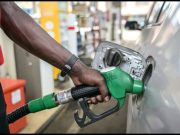















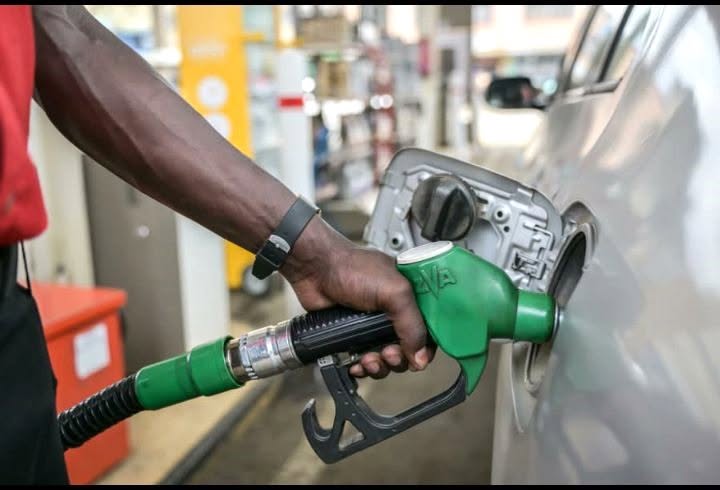
NAIROBI, Kenya—Motorists will pay more for fuel from Thursday after the Energy and Petroleum Regulatory Authority (EPRA) raised the price of Super Petrol by Sh12.93 per litre, Diesel by Sh9.90 and Kerosene by Sh28.49, bringing fresh pressure on households and businesses as a political dispute over the increases intensifies.
The new prices, announced on Wednesday, October 14, will remain in force until November 14, with a litre of Super Petrol retailing at a maximum of Sh226.96 in Nairobi, Diesel at Sh227.76 and Kerosene at Sh219.87.
The increases came hours after former Deputy President Rigathi Gachagua accused President William Ruto of ordering fuel price hikes to raise money for political bribery ahead of the August 2027 General Election.
Gachagua had predicted an increase of Sh12 per litre for petrol and Sh9 for diesel, figures that closely matched the adjustments subsequently announced by EPRA. However, the similarity between his forecast and the official increases does not independently establish his separate allegations about the political motives behind the pricing decision.
The Democracy for the Citizens Party (DCP) leader also alleged that Gulf Energy would be used to process funds intended for political activities. He did not provide publicly verified evidence to substantiate that claim.
In his statement, Gachagua accused the President of seeking additional funds amid public discontent over the cost of living and other governance concerns. He also alleged that Energy Cabinet Secretary Opiyo Wandayi had been instructed to justify the anticipated increases by citing international oil prices.
The allegations set the stage for a confrontation between the former Deputy President and the Energy Cabinet Secretary, with the latter defending the legal framework governing fuel-price determination.
Government defense
Wandayi dismissed Gachagua’s claims, insisting that fuel prices are determined by EPRA under the applicable legal framework rather than being set directly by individual government officials.
Speaking during a public rally in West Pokot County on Wednesday, the Cabinet Secretary challenged Gachagua’s understanding of the energy sector and maintained that the regulator was responsible for determining maximum pump prices.
Wandayi also defended the government’s handling of petroleum supplies, pointing to the Government-to-Government fuel procurement arrangement and its role in helping suppliers obtain cargoes from alternative loading points amid disruptions affecting international oil markets.
The exchange has brought renewed attention to the distinction between the authority responsible for setting fuel prices and the political questions surrounding government policy, petroleum procurement and the cost of living.
While the timing of the announcement has intensified the political debate, EPRA’s published pricing calculations provide the official explanation for the latest adjustments. Gachagua’s allegation that the increases were intended to finance political bribery remains separate from the regulator’s stated cost-based justification.
Landing costs
In its latest review, EPRA attributed the increases to changes in the cost of imported refined petroleum products during the period under consideration.
According to the regulator, the average landed cost of imported Super Petrol increased by 11.81 per cent, while Diesel rose by 11.32 per cent and Kerosene by 9.41 per cent.
The landed cost of Super Petrol rose from US$874.26 per cubic metre in August to US$977.55 in September 2026. Diesel increased from US$957.05 to US$1,065.38 per cubic metre, while Kerosene rose from US$1,003.87 to US$1,098.31 over the same period.
EPRA noted that Kenya imports its petroleum requirements in refined form and that the products are traded on international markets using established pricing benchmarks.
The higher import costs provide the regulator’s stated economic basis for the latest review, although they do not, on their own, resolve the separate political allegations raised by Gachagua.
The Pain
The price increases are expected to put additional pressure on motorists, public transport operators, businesses and households that depend on petroleum products for transportation, production and other daily activities.
Higher diesel prices can raise the cost of transporting agricultural produce and manufactured goods, while increased petrol prices add to the operating expenses of private motorists and businesses. Kerosene users will also face a substantial increase.
The effects could extend beyond fuel stations as transport operators and businesses assess whether higher operating costs will be passed on to consumers through fares and the prices of goods and services.
For households already managing tight budgets, the adjustments could further strain spending on food, transport and other essential needs.
The latest review takes effect from October 15, with the next scheduled monthly adjustment expected in mid-November.
As motorists prepare to pay more at the pump, the dispute between Gachagua and the government is likely to keep fuel pricing in the political spotlight ahead of the 2027 General Election. The confirmed increases have brought his forecast close to the official figures, but the allegation that the adjustments were designed to finance political bribery remains unsubstantiated.