





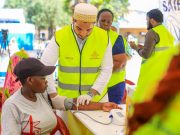















The Kenyan government has intensified nationwide Ebola preparedness and surveillance measures following the escalating Ebola Virus Disease (EVD) outbreak in neighbouring Uganda and the Democratic Republic of Congo (DRC).
In a statement issued on Tuesday, the Ministry of Health said no Ebola case linked to the current regional outbreak has been reported in Kenya, but warned that the country remains at high risk due to increased cross-border movement, trade and international travel within the East African region.
The outbreak, involving the highly infectious Bundibugyo strain, has so far left at least 87 people dead while more than 336 suspected cases remain under investigation in Uganda and the DRC, raising alarm among regional health authorities.
The Ministry, through the Kenya National Public Health Institute (KNPHI), said it has activated emergency preparedness and response mechanisms across the country to prevent possible importation of the disease.
Among the measures already rolled out include deployment of Rapid Response Teams, activation of Public Health Emergency Operations Centres and intensified screening at airports, seaports and border entry points.
According to the Ministry, more than 34,500 travellers have so far undergone Ebola screening as surveillance systems are strengthened nationwide.
Health authorities have also introduced an online passenger surveillance system, enhanced airport monitoring and mobility mapping in high-risk border regions as part of efforts to improve early detection and response.
The government further said it is working closely with Uganda, the DRC, the World Health Organisation (WHO), the East African Community (EAC) and the Africa Centres for Disease Control and Prevention (Africa CDC) to coordinate regional containment efforts.
To strengthen laboratory capacity, the Ministry designated testing centres at KEMRI Nairobi, KEMRI Kisumu and the National Public Health Laboratory, alongside mobile laboratory platforms to support rapid diagnosis and emergency response.
The renewed preparedness comes amid growing concern across Africa over renewed Ebola outbreaks and the risk of cross-border transmission in highly connected regional trade corridors.
Ebola is a severe viral disease spread through direct contact with infected bodily fluids and contaminated surfaces. Common symptoms include fever, vomiting, diarrhoea, fatigue and unexplained bleeding.
The Ministry urged Kenyans to remain vigilant by maintaining proper hygiene, avoiding contact with sick persons and reporting suspected symptoms to the nearest health facility immediately.
Members of the public were also advised to rely only on official government communication channels for verified Ebola information and emergency guidance through the Ministry’s toll-free services.