















![[Kenya's Interior CS Kipchumba Murkomen. Kenya is seeking stronger partnership with China and East Africa to combat terrorism. Photo/courtesy/Sept' 10, 2026].](https://jambonewsnetwork.com/wp-content/uploads/2026/09/MURKOMEN-180x135.jpg "Kenya seeks stronger China, E. Africa partnership against terrorism")




Kenya could face major transport disruption on Monday after matatu operators announced a nationwide strike to protest the latest increase in fuel prices, piling fresh pressure on millions of commuters and businesses already struggling with the high cost of living.
The planned shutdown, spearheaded by the Matatu Owners Association (MOA), is expected to affect public transport services across major towns and cities, with operators warning that soaring fuel costs have made business operations unsustainable.
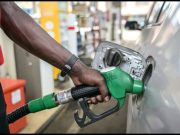
The announcement comes just days after the Energy and Petroleum Regulatory Authority (EPRA) announced sharp increases in pump prices in its latest monthly review, triggering outrage among motorists, transporters and consumers.
MOA Chairperson Albert Karakacha, said operators had resolved to withdraw vehicles from the roads unless the government urgently intervenes to lower fuel prices.
He warned that public service vehicle operators can no longer absorb the rising operational costs, particularly after the latest diesel and petrol price adjustments.
“We cannot continue operating under these punitive fuel prices. Operators are making losses daily and the burden is becoming unbearable,” Karakacha said while announcing the planned industrial action.
The association also announced an immediate 50 per cent increase in matatu fares, signaling tougher days ahead for commuters who are already grappling with rising food, electricity and housing costs.
The strike threat has since escalated into a broader transport sector protest, with boda boda riders, digital taxi operators, truck drivers and logistics players indicating support for the nationwide action.
Transport stakeholders under a coalition dubbed the “Transport Alliance” accused the government of failing to cushion Kenyans from runaway fuel costs and punitive taxation.
Among the demands being pushed by the operators are the immediate reversal of the latest fuel price hike, reforms in fuel pricing mechanisms and the disbandment of EPRA.
The looming strike now threatens to disrupt economic activities across the country, especially in Nairobi, Mombasa, Kisumu, Nakuru and other urban centres that heavily rely on public transport.
Industry players have warned that cargo movement and supply chains could also be affected if truckers join the protest fully, potentially triggering shortages and further price increases for basic commodities.
The latest crisis erupted after EPRA increased the prices of Super Petrol, Diesel and Kerosene in its monthly pricing review for the period between May 15 and June 14.
Diesel prices, which directly affect the transport and logistics sector, recorded one of the sharpest increases, sparking immediate backlash from PSV operators and businesses.
The fuel price surge has renewed criticism against the government over heavy taxation on petroleum products, with critics arguing that ordinary Kenyans are bearing the brunt of aggressive revenue collection measures amid economic hardship.
The planned strike also revives memories of previous nationwide transport protests that paralysed movement in major towns and disrupted businesses, schools and government services.
Commuters are now expected to face uncertainty on Monday as the government races against time to avert a full-blown transport crisis.
By Sunday evening, there had been no official indication that the government and transport stakeholders had reached a compromise, raising fears that the country could wake up to deserted bus stages and severe transport shortages.