






















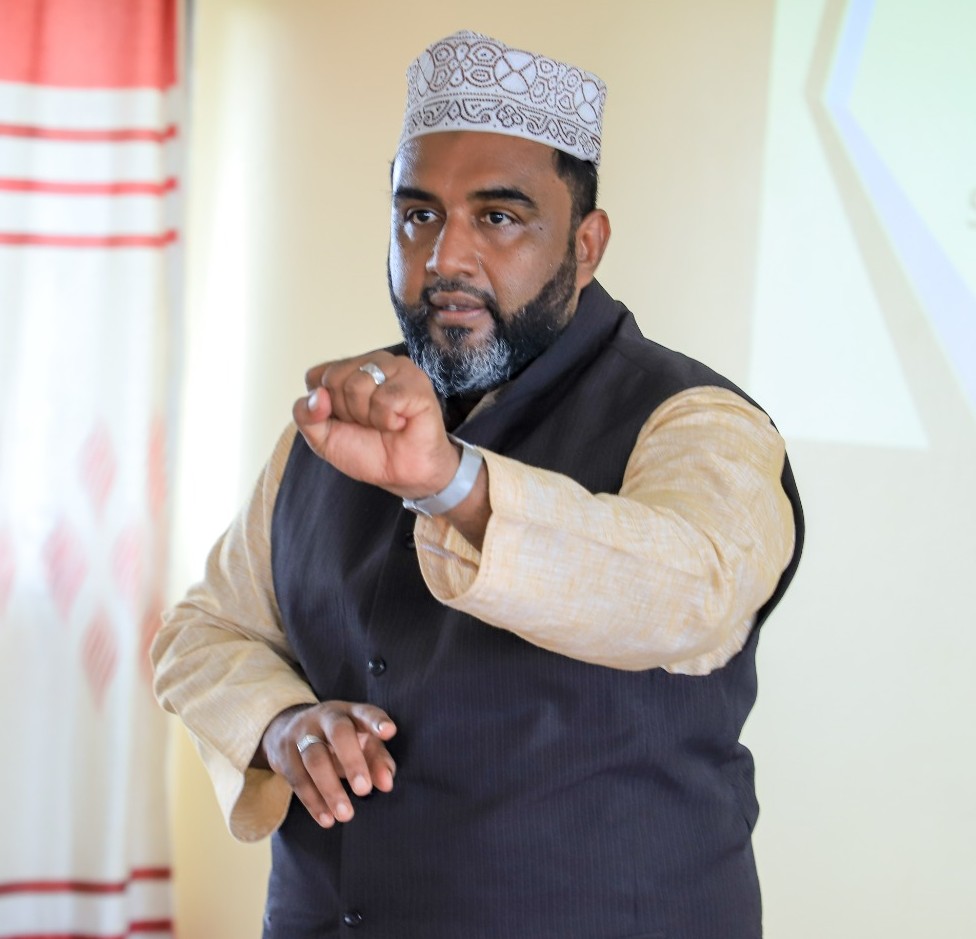
MOMBASA, Kenya—Reachout Centre Trust (RCT) Executive Director Taib Abdulrahman has urged Kenyans to make mental health a shared responsibility, warning that people struggling emotionally need compassionate support, early intervention and access to professional care rather than judgement and isolation.
Abdulrahman said families, friends, schools, workplaces, faith institutions and communities must create safe spaces where people can talk openly about their struggles, as Kenya continues to grapple with a significant gap between mental health needs and access to treatment.
Speaking on World Mental Health Day on Saturday, October 10, Abdulrahman said support often begins with a simple act of listening, particularly for people who may be afraid to disclose what they are experiencing.
“Sometimes, saving a life begins with simply listening. When somebody is going through a difficult moment, what they need first may not be money or material assistance. Sometimes they need somebody they trust, somebody who will sit with them, listen without judging them and help them find the courage to seek the right support,” he said.
The Ministry of Health estimates that common mental disorders affect approximately 10.3 per cent of Kenya’s population, while the country faces an estimated 75 per cent treatment gap, according to figures cited by Reachout Centre Trust.
Globally, the World Health Organisation estimates that more than one billion people live with a mental health condition, while more than 720,000 people die by suicide annually.
Abdulrahman said the figures represented people whose struggles could affect their families, relationships, education, employment and ability to participate fully in society.
“We cannot leave mental health to health professionals alone. Families, friends, colleagues, teachers, community leaders, faith leaders and neighbours all have a role to play. We need to learn to notice when someone is struggling, check on one another, listen with patience and compassion, and help people connect with professional support when necessary,” he said.
He urged the public to take signs of distress seriously and avoid dismissing people who open up about emotional or psychological difficulties.
Stigma and Silence
In the lead-up to World Mental Health Day, Reachout Centre Trust, working with the Mombasa County Government, took mental health awareness into the community through a procession from Kengeleni in the Kongowea area to Uwanja wa Mbuzi.
Psychosocial support professionals used the engagement to speak to residents about mental wellbeing, the importance of seeking help and the role communities can play in supporting people experiencing emotional distress.
The organisation said such engagements were intended to take mental health conversations beyond health facilities and into neighbourhoods where people live and interact.
Abdulrahman called on Kenyans to respond to people experiencing difficulties with empathy instead of telling them to suppress their feelings or simply be strong.
“When somebody tells you they are struggling, don’t dismiss them, don’t judge them and don’t tell them simply to be strong. Listen to them. Let them know that they are not alone and, where necessary, help them find professional assistance,” he said.
Young people silent
Reachout has also used its Kijana Salama Project to engage young people on mental wellbeing, drug and substance use, HIV prevention and responsible sexual behaviour.
During youth discussions, participants raised concerns about excessive screen time, social media pressure and fear of judgement when sharing personal difficulties.
Prolonged mobile-phone use, particularly late at night, was identified as a concern because it can interfere with rest and healthy routines. Participants also discussed the pressure created by online portrayals of lifestyles that may not reflect people’s everyday realities.
Abdulrahman said young people needed safe, youth-friendly spaces where they could seek guidance from trusted peers and professionals without fear of stigma.
“Young people need more than information. They need somebody who will listen, encourage them and walk with them when they are facing pressure, uncertainty, relationship difficulties, family challenges or other struggles. Sometimes the person best placed to start that conversation is another young person,” he said.
Through Kijana Salama, peer educators and peer navigators engage young people in spaces where they naturally interact, including beaches, with the aim of making health information accessible and relevant to their daily experiences.
“Sometimes prevention begins with a conversation, and sometimes that conversation starts with a peer,” Abdulrahman said.
Integrated response to drug use
The organisation has also highlighted the connection between mental wellbeing and drug and substance use, arguing that prevention and recovery efforts must consider the wider circumstances affecting an individual.
During an engagement with the Technical University of Mombasa community, students, lecturers and other university staff discussed the relationship between substance use and mental wellbeing, alongside concerns about excessive screen use.
Abdulrahman said focusing solely on stopping substance use without addressing a person’s psychological, emotional and social needs could leave underlying challenges unresolved.
“Behind every person struggling with drug use is a human being whose mental, emotional, social and physical wellbeing also needs attention. You cannot simply tell someone to stop using drugs and expect the problem to disappear,” he said.
He said recovery may require counselling, psychosocial and peer support, healthcare, family involvement and an environment in which people can seek assistance without being judged.

[Reachout Centre Trust Executive Director Taib Abdulrahman (right in grey attire leading a procession to mark Worl Mental Health day in Mombasa. Photo/Ahmed Omar/Oct’ 10, 2026].
The Reachout Executive Director called for mental health awareness to continue beyond the annual observance, urging families and institutions to make open conversations and timely support part of everyday life.
“Let us make it normal to ask, ‘Are you okay?’ and, more importantly, to stay long enough to listen to the answer. Let us create communities where people do not have to face their struggles alone. Mental wellbeing is everyone’s responsibility,” he said.